


House Sparrow
The house sparrow (Passer domesticus) is a sturdy, sociable little bird. The male has a grey crown, chestnut nape, black bib and streaked brown back, while the female is plainer brown with a pale stripe behind the eye.
On the islands
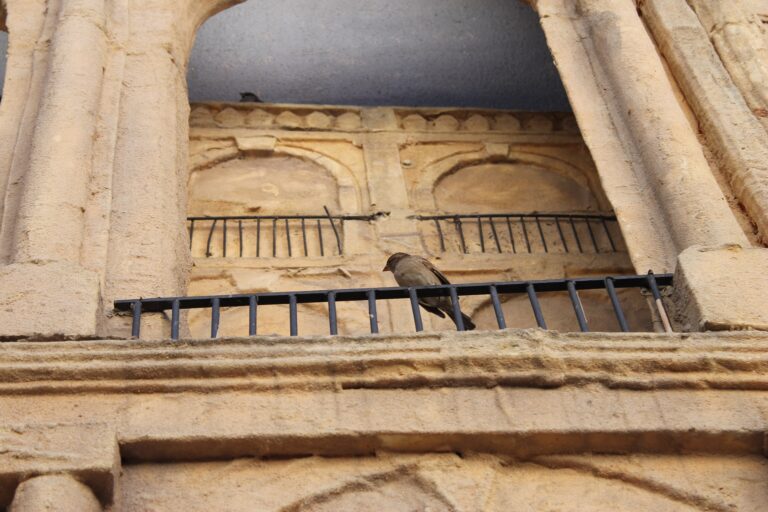
House sparrows are closely tied to people, living around villages, farms, harbours and gardens on inhabited islands. They nest in roofs, walls and hedges in noisy colonies. On some small islands where farming has ended, sparrow populations have disappeared altogether.
When to see
Present all year and very sedentary, rarely moving far from where they hatched.
Did you know?
House sparrows on the island of Lundy have been studied for decades, as the small, closed population makes it possible to follow almost every bird through its life.
Where to see it on the islands
On Search Isle, the house sparrow is recorded on 214 islands. They are spread across Scotland (129), England (40), Wales (23), Crown Dependencies (12) and Ireland (10).
The most records come from Isle of Man (Isle of Man, 7,272 records), Isle of Wight (Hampshire, 2,596 records), St Mary’s (Isles of Scilly, 2,460 records) and Anglesey (North Coast, 2,094 records). These counts reflect where people have looked as well as where the animal lives: busy islands, and those with bird observatories, have far more records than remote ones.
Through the year
The house sparrow can be seen all year round on the islands. You can listen to a recording of it beside this page.
Other songbirds
The house sparrow is one of 9 songbirds on Search Isle, alongside Black Redstart, Blackbird, Blackcap, Blue Tit, Brambling, Bullfinch, Chaffinch and Chiffchaff.
