

GBIF: How We Know Where Island Wildlife Lives
Where Search Isle’s wildlife sightings come from: GBIF, the Global Biodiversity Information Facility, the people who send in records, what the numbers can and can’t tell you, and how to add your own.
Every wildlife page on Search Isle has a section called “Where to see it”, listing the islands where that animal has been recorded and how many times. Those numbers don’t come from guesswork or old field guides. They come from GBIF, the Global Biodiversity Information Facility, one of the largest open science projects in the world, and from the thousands of birdwatchers, naturalists, scientists and holidaymakers who send in what they see.
What GBIF is
GBIF is an international network, funded by governments, that brings together records of where living things have been found, and makes them free for anyone to use. It was set up in 2001, and its secretariat is in Copenhagen. Dozens of countries are members, and institutions in around 150 countries and territories share data through it.
The heart of GBIF is the occurrence record: a note that a particular species was seen, heard, caught, photographed or collected at a particular place on a particular date. By 2026 GBIF held more than three and a half billion of them, from well over a hundred thousand datasets, ranging from a single survey of one wood to the bird records of whole continents.
Where the records come from
Some records are centuries old: specimens in museum drawers and herbarium sheets, now catalogued and placed on the map. Others come from professional surveys and long-term monitoring schemes. But most new records today come from ordinary people.
When a birdwatcher logs a sighting on eBird, the records are shared with GBIF, and eBird is now one of the biggest sources of data in the whole network. When someone photographs a lizard or a seal and uploads it to iNaturalist, other users help to identify it; once the community agrees on the species, and the record has a date, a place and a photo or sound, it becomes “research grade” and is passed to GBIF too. In Britain, records gathered by local recording centres and national societies flow in through the National Biodiversity Network and its NBN Atlas.
A high count means a species is regularly recorded there; a low count may just mean few people have been.
How Search Isle uses it
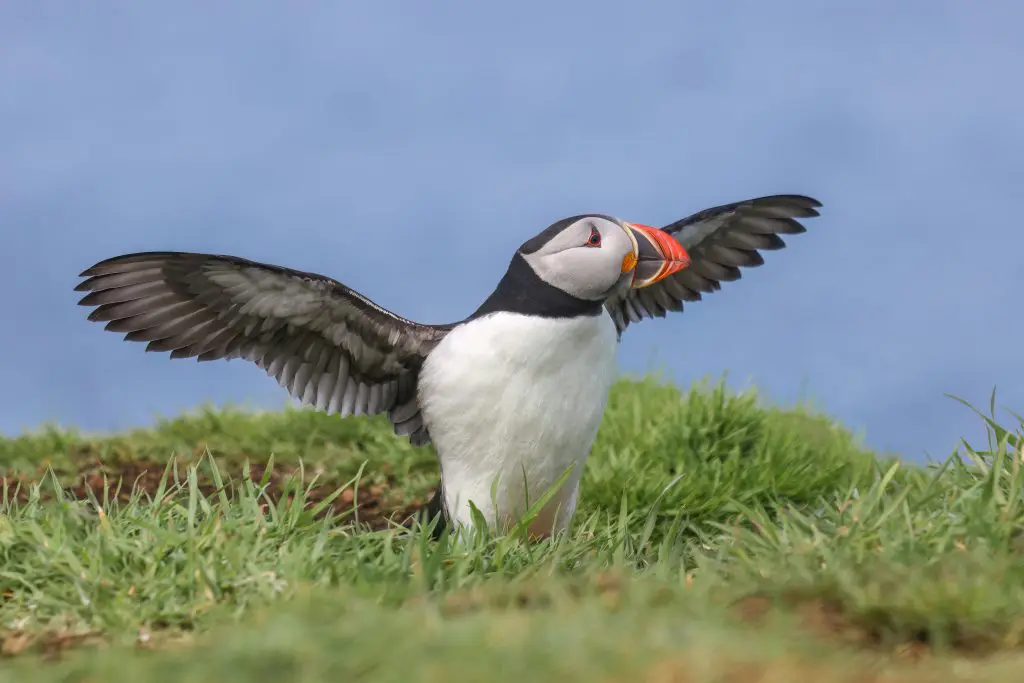
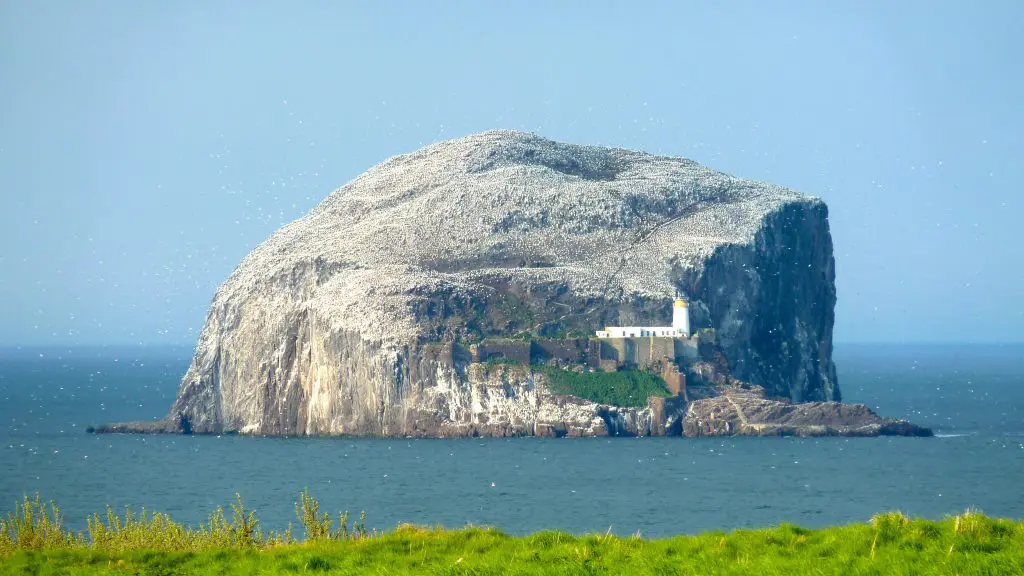
For each species on Search Isle, we look at the records shared with GBIF since 2000 and count how many fall on each island. That gives the sighting numbers you see on the wildlife pages, the best places to look, and the maps of every island an animal has been recorded on. The Puffin page, for example, draws on thousands of records from more than three hundred islands, from St Kilda to the Bass Rock.

Because one stray record is easy to get wrong, we only list an island on a species page when it has at least three records, and we leave freshwater islands off the pages of sea mammals. Where a species has no sighting data at all, we fall back on the islands our own research links it to.
Why the numbers are not the whole story
GBIF records show where people have looked, as well as where animals live. An island with a bird observatory, such as Fair Isle or Bardsey, or a busy ferry port, has far more records than a remote rock that nobody visits, even if the wildlife is just as rich. A high count means a species is regularly recorded there; a low count may just mean few people have been.
Mistakes slip through too. A seabird seen from a headland can be logged on the nearest island; an animal in a zoo or wildlife park can be recorded as if it were wild; and a domestic tabby can be taken for a Scottish Wildcat. We found wildcat “records” on an island in the River Thames, hundreds of miles from the nearest wild one, which is exactly why we ask for more than one record before we list an island.
How you can help
Every record helps to build a better picture of island wildlife, and the remote islands need it most. If you visit an island, note what you see, with the date and place, and share it: on iNaturalist or iRecord for anything from beetles to otters, on eBird or the BTO’s BirdTrack for birds, or with your local records centre. A photograph makes a record far more useful, as others can check the identification.
Please only record wild animals, not those in parks, zoos or gardens, and never disturb nesting birds, seal pups or other wildlife to get a better look or a better photo. Every island you visit can also be collected in your Island Passport.
Where in the world
3 islands in this article


- Bass Rock Firth of Forth
- Fair Isle Shetland
- Bardsey Island Llyn Peninsula
Read next
All articles →
Where to See Seal Pups: The Best Islands This Autumn and Winter
Every autumn, grey seals haul out on remote island beaches to give birth to white, fluffy pups. Here is where and when to see them, and how to watch without disturbing them.

The Great Auk: The Lost Penguin of the North
The great auk, the flightless "penguin" of the North Atlantic, was hunted to extinction in 1844. Its story on St Kilda and Papa Westray, and the living relatives you can still see on the islands: razorbills, guillemots and puffins.
