


Islay
Island Passport
Collect Islay
Be the first to collect it
This island is a protected nature reserve, so only sightings are stamped. Please do not land.
Islay is the southernmost island of the Inner Hebrides, lying west of Jura and only about 40 kilometres from the coast of Northern Ireland. Known in Gaelic poetry as the ‘Queen of the Hebrides’, it is the fifth-largest Scottish island, covering about 153,210 acres, and home to some 3,200 people. It is famous worldwide for its malt whisky, but its gentle farmland, sandy bays and great flocks of wintering geese also make it one of the most welcoming islands to visit.
The island’s capital is Bowmore, laid out as a planned village in the eighteenth century around the distinctive round Kilarrow Parish Church, built in 1767 so that, according to tradition, the devil would have no corner to hide in. Port Ellen in the south is the main ferry port.
Landscape

Islay is about 40 kilometres long and 24 broad. The east coast rises steeply from the Sound of Islay, opposite the Paps of Jura, to Beinn Bheigeir at 491 metres. To the west, the sea lochs of Loch Indaal and Loch Gruinart almost cut off the fertile peninsula of the Rinns, while in the south-west the rocky, now largely empty peninsula of the Oa ends in high cliffs, the closest point in the Hebrides to Ireland. The south coast is sheltered and relatively wooded, the west is open to the Atlantic, and the island is ringed by beaches such as Machir Bay, Saligo and the long sands of Laggan Bay.
History

Islay has a long human story. A flint arrowhead found near Bridgend, dated to around 10,800 BC, is among the earliest evidence of people in Scotland, and the island is dotted with standing stones, chambered cairns and Iron Age forts such as Dun Nosebridge. The Kildalton Cross, carved in the eighth century and still standing in its old churchyard, is one of the finest early Christian crosses in Scotland.
After centuries as part of Dál Riata and then the Norse Kingdom of the Isles, Islay became the heart of the Lordship of the Isles. From their centre at Finlaggan, on islands in a small inland loch, the MacDonald Lords of the Isles ruled the Hebrides and much of the west coast as almost independent princes until the lordship was forfeited to the crown in 1493. The ruins of their halls and chapel can still be visited. In the seventeenth century the Campbells took over the island, and later owners improved agriculture and built the planned villages of Bowmore, Port Charlotte and Port Ellen. The population peaked at around 15,000 in the 1830s before famine and clearance drove many to emigrate.
The waters off Islay have seen many tragedies. In 1918 two troopships carrying American soldiers, the Tuscania and the Otranto, were lost off the island, and the American Monument on the Mull of Oa commemorates them.
Most offer tours and tastings, and the Fèis Ìle whisky and music festival each spring brings visitors from around the world.
Whisky
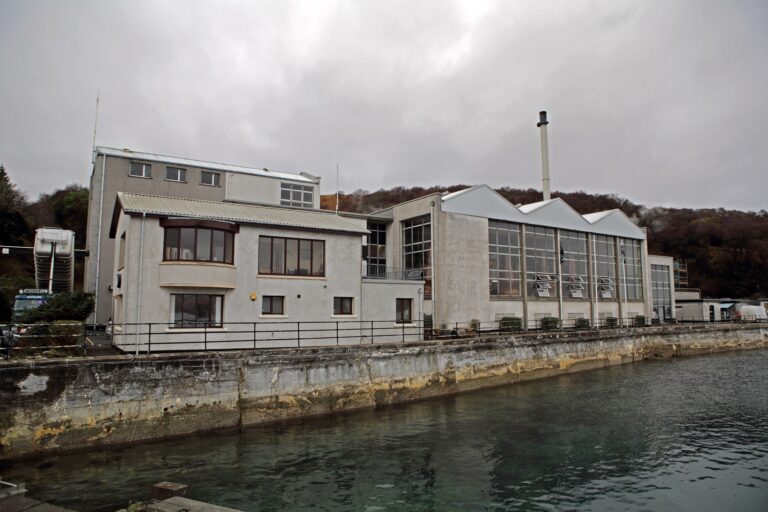
Islay is one of the five protected whisky regions of Scotland, with around ten working distilleries. The three on the south coast, Laphroaig, Lagavulin and Ardbeg, are famous for heavily peated, smoky malts. Bowmore, near the island’s centre, is one of the oldest, founded in 1779, and in the north Caol Ila, Bunnahabhain and the newer Ardnahoe look across the Sound of Islay to Jura. On the Rinns, Bruichladdich and the farm distillery at Kilchoman complete the list, and the long-closed Port Ellen distillery has recently been revived. Most offer tours and tastings, and the Fèis Ìle whisky and music festival each spring brings visitors from around the world.
Things to do

Beyond the distilleries, Islay is a walker’s and beachcomber’s island. The RSPB reserve on the Oa has cliff-top paths with golden eagles and choughs; Machir Bay and Saligo on the west coast are wild Atlantic beaches; and the ruins at Finlaggan, the medieval church at Kilchoman and the Kildalton Cross make a fine tour of the island’s past. The Machrie links near Port Ellen is one of Scotland’s oldest island golf courses, and the views across the Sound of Islay to the Paps of Jura are among the finest in the Hebrides.
Getting there and around

Caledonian MacBrayne ferries sail from Kennacraig on Kintyre to Port Ellen and Port Askaig, a crossing of around two hours, and flights operate from Glasgow to Islay Airport near Port Ellen. A small car ferry links Port Askaig with Feolin on Jura across the Sound of Islay. Roads are good by island standards, and buses connect the main villages.
Island life
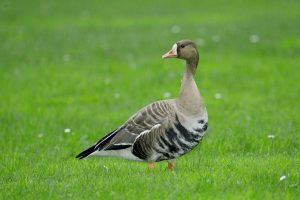
Farming, distilling and tourism are the mainstays of the island economy, and Islay has also been a testing ground for wave power. Around a quarter of islanders speak Gaelic, and the Museum of Islay Life in Port Charlotte tells the story of the island and its people. The climate is mild, softened by the Gulf Stream, though winter gales can be fierce. In winter the island is internationally important for geese: tens of thousands of barnacle geese from Greenland arrive in autumn, along with Greenland white-fronted geese, and the RSPB reserve at Loch Gruinart is one of the best places to see them.
Wildlife
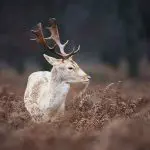
Among the wildlife most often recorded on Islay are Corncrake, Whooper Swan, Pintail, Hen Harrier, Shoveler and Fallow Deer. See the Wildlife tab for the full list of 167 species and when to see them.
Tides
Now
—
Next high water
—
Next low water
—
Heights in metres relative to mean sea level; times are UK time. Not for navigation. Tide model: Open-Meteo (CC BY 4.0).
How to get to Islay
You can reach Islay by ferry and by air.
By ferry
CalMac sails from Kennacraig on Kintyre to both Port Ellen and Port Askaig, making Islay one of the more frequently served islands in the southern Hebrides.
By air
Plan your trip
Timetables change, so always check with the operator before you travel. We may earn a commission if you book through some of these links, at no extra cost to you.
Where to stay on Islay
64 places to stay on Islay, from hotels and B&Bs to hostels and campsites.
Check dates and prices-
An Taigh Osda
Hotel
-
Ardbeg House
Hotel
-
Bowmore Hotel
Hotel · Bowmore
-
Bridgend Hotel
Hotel
-
Harbour Inn
Hotel · ★★★★
-
Islay House
Hotel · ★★★★
-
Loch Gruinart House
Hotel
-
Lochside Hotel
Hotel · Bowmore
-
No.1 Charlotte Street
Hotel
-
Port Askaig Hotel
Hotel
-
Port Charlotte Hotel
Hotel · Port Charlotte
-
Sornbank B&B
Hotel
-
The Machrie
Hotel · ★★★★
-
40 Pier Road
B&B / guest house · ★★★★ · Port Ellen
-
An Cuan
B&B / guest house · Bowmore
-
An Tigh Seinnse
B&B / guest house
-
Askernish
B&B / guest house · Port Ellen
-
Balaclava Croft
B&B / guest house
-
Ballygrant Inn
B&B / guest house
-
Bowmore Cottages
B&B / guest house
-
Cala Sith
B&B / guest house · Port Ellen
-
Caladh Sona
B&B / guest house · ★★★ · Port Ellen
-
Carnduncan
B&B / guest house
-
Carraig Fhada
B&B / guest house · Port Ellen
-
Eilidh's Guest House
B&B / guest house
-
Glenegedale House
B&B / guest house
-
Glenmachrie Guest House
B&B / guest house
-
Kentraw B&B
B&B / guest house
-
Kilmeny Country House
B&B / guest house
-
Lambeth Guesthouse
B&B / guest house · Bowmore
-
Loch Gorm House
B&B / guest house
-
Meadowside B & B
B&B / guest house
-
Moorburn Bed and Breakfast
B&B / guest house · Port Ellen
-
Orsay House
B&B / guest house · Portnahaven
-
Skerrols House
B&B / guest house · Bridgend, Isle of Islay
-
The Bed and Breakfast Suite
B&B / guest house
-
The Dower House
B&B / guest house
-
The Grange
B&B / guest house
-
The Island Bear
B&B / guest house · Bowmore
-
The Old Excise House
B&B / guest house
-
The Trout Fly
B&B / guest house · Port Ellen
-
Tigh-na-Suil
B&B / guest house · ★★★
-
Brae Cottage
Self-catering
-
Cnoc Na Faire
Self-catering
-
Coillabus Cottage
Self-catering
-
Emerivale Cottage
Self-catering
-
Finlaggan House
Self-catering
-
Harbourside
Self-catering
-
Islay Cottages
Self-catering · Isle of Islay
-
Juniper Cottage
Self-catering apartment
-
Lagavulin Hall
Self-catering
-
Muran Cottage
Self-catering apartment
-
Old Gorton Schoolhouse
Self-catering
-
Persabus Cottage
Self-catering
-
Persabus Millhouse
Self-catering
-
Port Charlotte Halle Hall
Self-catering apartment
-
Sgeir Cottage
Self-catering apartment
-
Taobh-na-Mara
Self-catering
-
Tràigh Cottage
Self-catering
-
An Cladach
Bothy
-
Port Charlotte Youth Hostel
Hostel · ★★★★
-
Proaig
Bothy
-
Kintra Campsite
Campsite
-
Port Mòr Campsite
Campsite
We may earn a commission if you book through some of these links, at no extra cost to you. Places to stay are from OpenStreetMap; if one has closed or is missing, let us know. Data © OpenStreetMap contributors.
Wildlife
172 species recorded on the island
Highlights


Island specials

All wildlife
Loading all 172 species…
Nothing on the list is usually seen this month.
Recordings from Wikimedia Commons, under Creative Commons licences; hover a Listen button for the recordist. Sightings are records shared with GBIF since 2000.
Watching wildlife responsibly. Keep your distance from seals, seabird colonies and cetaceans, stay quiet, and never feed or chase wildlife. See the Scottish Marine Wildlife Watching Code.
Places to see on Islay
 Lagavulin Distillery
Distillery
 Laphroaig distillery
Distillery
 Ardbeg
Distillery
 Bruichladdich Distillery
Distillery
 Caol Ila Distillery
Distillery
 Bowmore distillery
Distillery
- Bunnahabhain Distillery Distillery
- Port Ellen Distillery Distillery
- Ardnahoe Distillery Distillery
- Port Charlotte distillery Distillery
- Dunyvaig Castle Castle
- Kilarrow Parish Church, Bowmore, Islay Church & abbey
- Loch Gorm Castle Castle
- Ruvaal Lighthouse Lighthouse
- Ardmeinach Abandoned village
- Aryghuary Abandoned village
- Ballacharie Abandoned village
- Ballochray Abandoned village
- Ballynaughton Abandoned village
- Balulive Abandoned village
- Carnbeg Abandoned village
- Frachdale Abandoned village
- Glenastle Abandoned village
- Grasdale Abandoned village
- Kilslevan Abandoned village
- Lurabus Abandoned village
- Mulreesh Abandoned village
- Portnellan Abandoned village
- Sanaigmore Abandoned village
- Shinghart Abandoned village
- Tighcargman Abandoned village
- Tockmal Abandoned village
- Torradale Abandoned village


