



Mammals
62 species on the islands
Britain and Ireland’s islands support a remarkably varied cast of mammals, from the great whales and dolphins passing through offshore waters to seals hauled out on skerries, and from ancient feral sheep and goat herds to the small, secretive predators and rodents that call island moorland, woodland and machair home. Many of the species featured here are defined as much by their relationship with island isolation as by their biology: some, like the Orkney vole and the Scilly shrew, survive nowhere else in the British Isles at all, while others, like red squirrels and corncrakes elsewhere in this site, persist on islands specifically because the sea has kept out a mainland threat, whether an invasive competitor, a predator, or a disease.
Mammal entries here are grouped into four broad categories: marine mammals split between seals, hauled out on rocky coasts, and whales, dolphins and porpoises passing through island waters offshore; and land mammals, covering everything from apex predators and mustelids to grazing herbivores, rodents and shrews found across Britain and Ireland’s islands. Many of these land mammals reached their island homes only with human help, whether as deliberate introductions, accidental stowaways carried in cargo or fodder centuries ago, or escapes from historic fur farms, and their stories are often as much about human history as natural history.
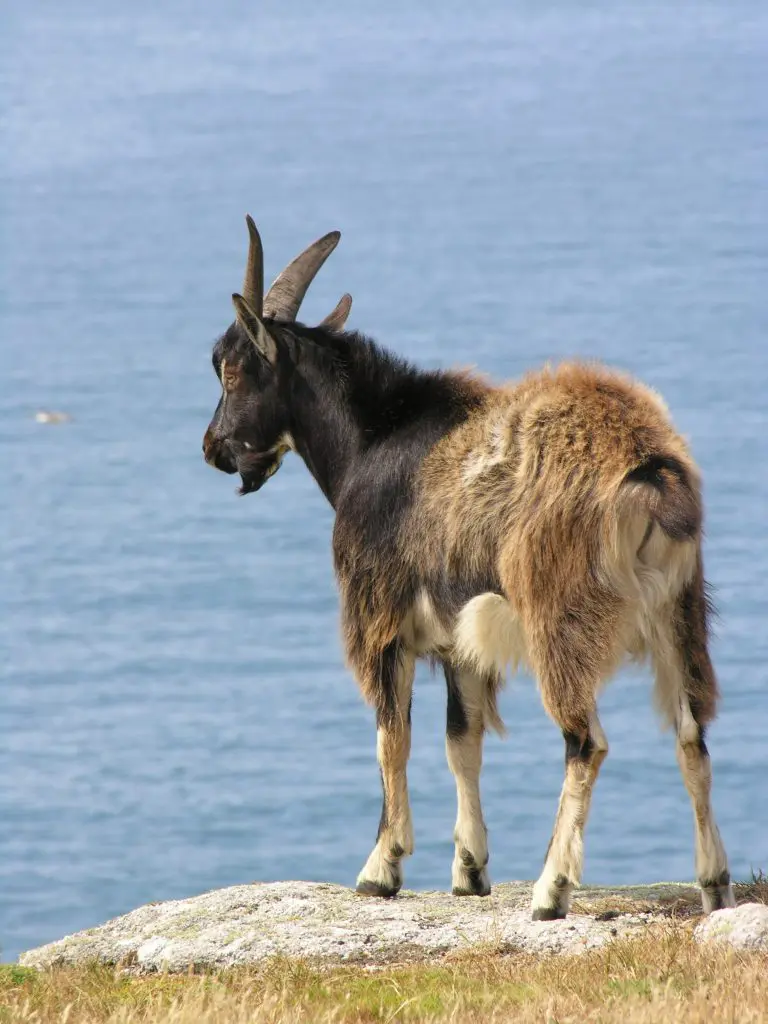
Island isolation cuts both ways for British mammals. It has allowed species such as the Orkney vole and the Lundy and St Kilda feral goat herds to persist for centuries with minimal outside interference, and made islands like the Isle of Wight and Anglesey into vital refuges for red squirrels being squeezed out of the British mainland by the introduced grey squirrel. But the same isolation that protects native island wildlife can be catastrophic when a new predator arrives, whether rats reaching a seabird colony by shipwreck, or American mink escaping from a fur farm into the Outer Hebrides — a reminder that the same sea crossing that keeps island wildlife safe can just as easily be breached by accident.
Island survivors
Some mammals now survive mainly on islands. Red squirrels live on the Isle of Wight, Brownsea and Arran, out of reach of the grey squirrel; otters are commoner along island shores than almost anywhere else; and the Orkney vole and the Scilly shrew live only on their own islands.
Mammals of the sea
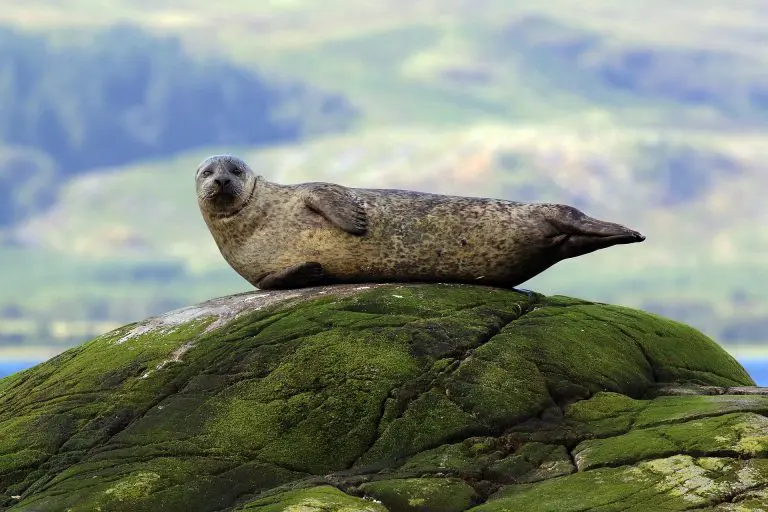
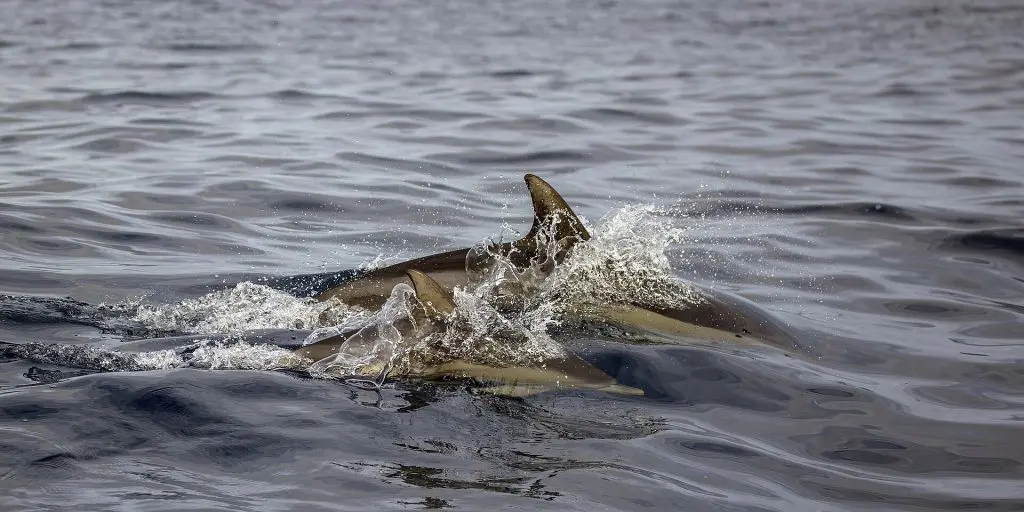
The seas around the islands are home to grey and harbour seals, harbour porpoises, several kinds of dolphin and visiting whales, from minke whales and humpbacks to orcas. Britain is one of the most important places in the world for grey seals, and the remote islands where they breed in autumn are among the wildest places in these islands.
Most land mammals are shy and active at dawn, dusk or night, so patience is the key.
Watching mammals
Most land mammals are shy and active at dawn, dusk or night, so patience is the key. Sit quietly by a shore at a rising tide for otters, watch the woods at dusk for bats and deer, and look out from headlands and ferries on calm days for seals, dolphins and whales. Always keep your distance, especially from seal pups and nesting animals.
Kinds of mammals
Every species ↓




Every species: Mammals
62 Carnivores
American Mink
Neogale vison
The American mink (Neogale vison) is a sleek, semi-aquatic predator native to North America, brought to Britain during the 20th century for fur farming…
 Dolphins and Porpoises
Atlantic White-sided Dolphin
Lagenorhynchus acutus
The Atlantic white-sided dolphin (Lagenorhynchus acutus) is a robust dolphin with a white and yellow patch on its flank.Around the islandsIt is seen in…
 Rodents
Bank Vole
Myodes glareolus
The bank vole (Clethrionomys glareolus) is a small, reddish-brown rodent found throughout woodland, hedgerows and dense scrub across most of Great Britain, distinguished from…
 Dolphins and Porpoises
Bottlenose Dolphin
Tursiops truncatus
The common bottlenose dolphin (Tursiops truncatus) is probably the most instantly recognisable cetacean in the world, its short, stubby beak, curved dorsal fin and…
 Hares and Rabbits
Brown Hare
Lepus europaeus
The brown hare (Lepus europaeus), also known as the European hare, is the larger and more widespread of Britain's two hare species, a long-legged,…
 Bats
Brown Long-eared Bat
Plecotus auritus
The brown long-eared bat (Plecotus auritus) is instantly distinguished from every other British bat by its extraordinary ears, nearly as long as its own…
 Rodents
Brown Rat
Rattus norvegicus
The brown rat (Rattus norvegicus), also known as the common or Norway rat despite having no particular connection to Norway, is one of the…
 Dolphins and Porpoises
Common Dolphin
Delphinus delphis
The common dolphin (Delphinus delphis) is, despite its name, not the dolphin most people picture first, that honour tends to go to the bottlenose,…
 Bats
Common Pipistrelle
Pipistrellus pipistrellus
The common pipistrelle (Pipistrellus pipistrellus) is one of the smallest bats found in Britain and Ireland, weighing little more than a two-pound coin, yet…
 Shrews, Moles and Hedgehogs
Common Shrew
Sorex araneus
The common shrew (Sorex araneus), also known as the Eurasian shrew, is one of the most abundant mammals anywhere in Great Britain, a small,…
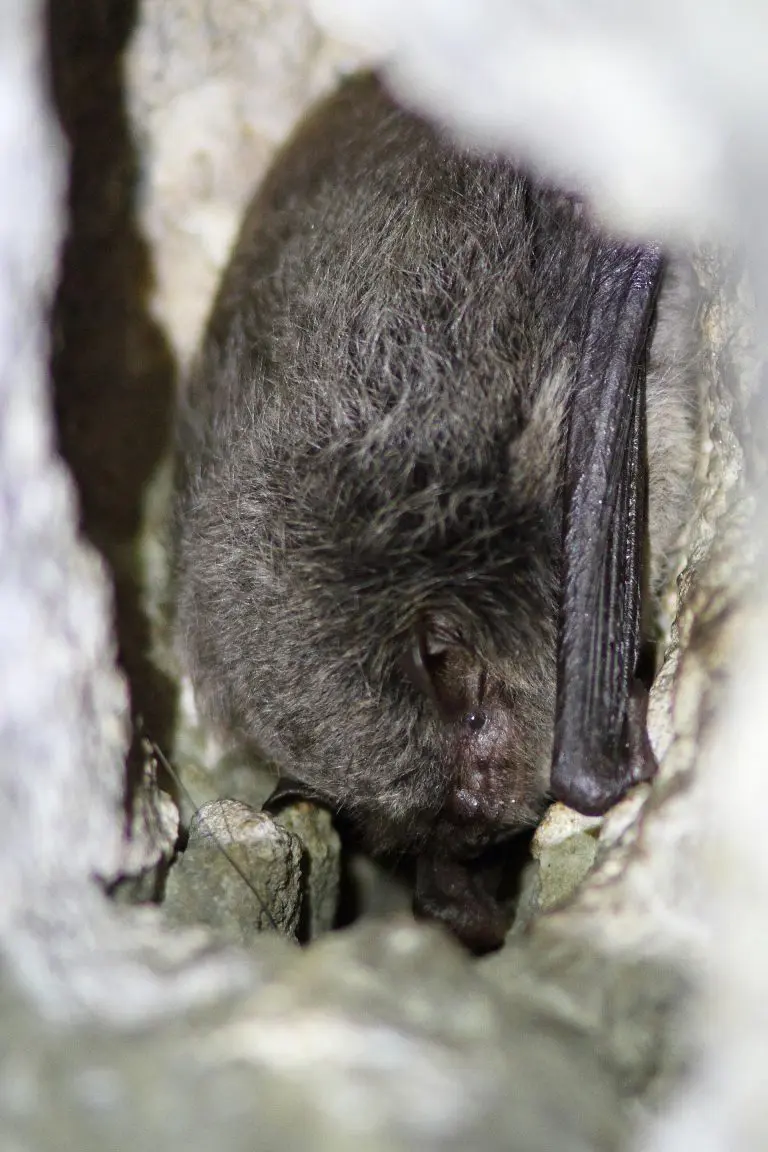 Bats
Daubenton’s Bat
Myotis daubentonii
Daubenton's bat (Myotis daubentonii), named after the 18th-century French naturalist Louis-Jean-Marie Daubenton, is a small, short-eared bat with a distinctive close association with fresh…
 Rodents
Eurasian Beaver
Castor fiber
The Eurasian beaver (Castor fiber) is Europe's largest native rodent, a powerful, semi-aquatic engineer capable of felling substantial trees and building dams that reshape…
