

Lough Ree
3 islands · Ireland
Island Passport
How many of the 3 islands in Lough Ree can you collect?
0 of them collected by explorers so far
Lough Ree is the second-largest of the three great lakes strung along the River Shannon, lying between Athlone and Lanesborough on the borders of counties Westmeath, Longford and Roscommon.
Its name, meaning “King’s Lake” in Irish, reflects its historic importance as a boundary and crossing point in the Irish midlands, a strategically vital stretch of water where several ancient provincial boundaries converged, making control of its crossings and islands a matter of genuine political significance throughout the early medieval period, and its islands carry a correspondingly long history of monastic settlement.
History
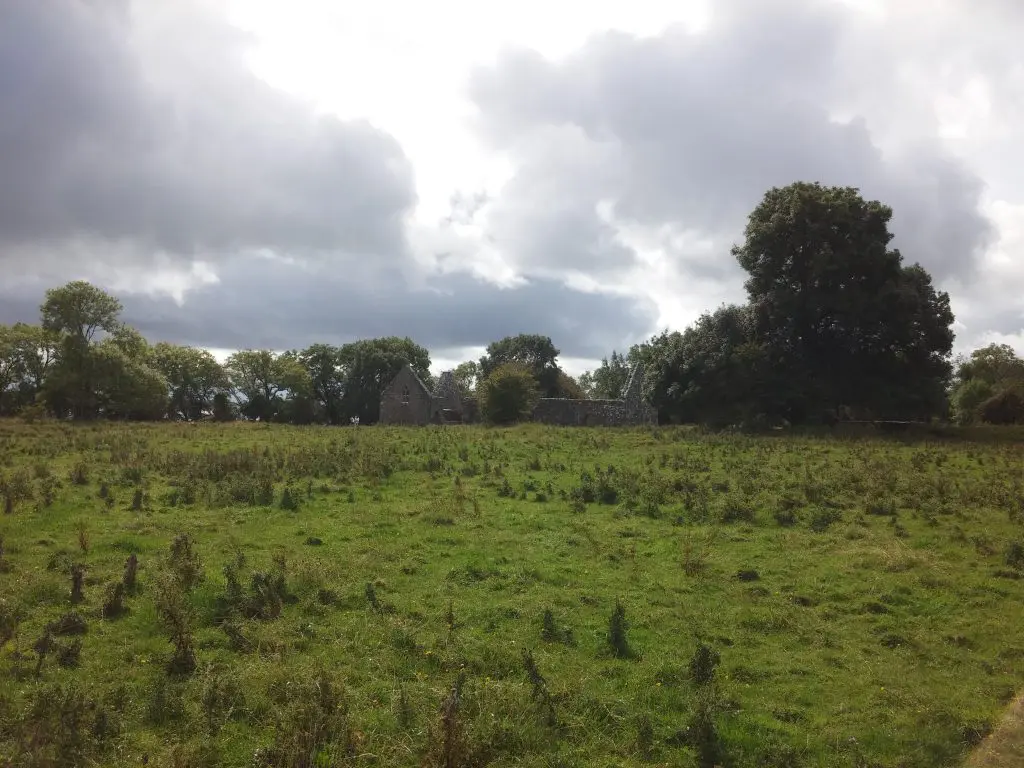
Inchcleraun holds the ruins of six early churches associated with Saint Diarmaid, who is said to have founded a monastery there in the 6th century that grew, over subsequent centuries, into a substantial religious settlement whose scattered church ruins remain among the most extensive collections of early ecclesiastical remains found on any single Shannon island. The island is traditionally linked to the death of Queen Maeve of Connacht in Irish mythology, the legendary warrior queen of the epic Táin Bó Cúailnge, said to have been killed there by a sling-stone while bathing, a dramatic mythological end for one of early Irish literature’s most formidable and memorable female figures.

Inchbofin was likewise the site of an early monastery, reputedly founded by Saint Rioch, a nephew of Saint Patrick himself according to some traditions, reflecting the close family and dynastic networks that often underpinned the establishment of early Irish monastic foundations. Carberry Island completes a lake whose scattered islands, though little visited today compared with the tourist-heavy Killarney lakes further south, once formed part of one of the densest concentrations of early Christian island settlement anywhere on the River Shannon.
More about Lough Ree
Athlone, at the lake’s southern outlet, has long served as a strategically vital crossing point of the Shannon itself, its castle guarding the river crossing since Norman times and playing a significant role during the Williamite Wars of the late 17th century, when the town was besieged twice within a single year during the wider conflict between the forces of James II and William III. The lake’s waters today draw considerably more cruisers and anglers than pilgrims, its extensive shoreline and scattered islands offering some of the quieter and less commercially developed stretches of the entire Shannon navigation system.
This combination of a name recalling ancient royal authority, an unusually dense concentration of early Christian monastic remains, and a deep connection to some of Irish mythology’s most enduring legendary figures makes Lough Ree one of the most historically and culturally resonant, if today comparatively quiet, of the Shannon’s three great lakes.
On the lough’s western shore, the deserted medieval town of Rindoon occupies a narrow peninsula jutting into the water, its surviving town walls, castle, church, and harbour making it one of the best-preserved abandoned medieval settlements anywhere in Ireland, a fortified Anglo-Norman outpost established in the early 13th century to help control this strategically important stretch of the Shannon before being gradually abandoned over subsequent centuries. The lough’s waters, fed by the Shannon from the north and further swollen by numerous smaller tributaries, are noted among naturalists for their internationally important populations of wintering wildfowl, including tufted duck, pochard, and goldeneye, drawn to the lough’s sheltered bays and reed-fringed margins each winter from breeding grounds across northern Europe.
Lanesborough, at the lough’s northern end, was for decades home to a peat-fired power station burning turf cut from the surrounding midland bogs, a once-significant local industry that has declined sharply in recent years as Ireland has moved away from peat extraction on environmental grounds, bringing substantial change to the economy of the towns and villages ringing the lough’s northern shore. The lough has also long been popular with anglers for its pike fishing, with specimen pike weighing over twenty pounds recorded from its waters on numerous occasions, helping establish Lough Ree’s reputation as one of the premier pike fisheries in Ireland. Athlone Castle, overlooking the lough’s southern outlet, has similarly been restored in recent years as a heritage centre telling the story of the 1691 siege and the wider Williamite Wars that once made this crossing one of the most contested in Ireland.
The biggest islands in Lough Ree
By area (acres)
- 1 Inchcleraun 143
- 2 Inchbofin 66
- 3 Carberry Island 4
Every island in Lough Ree
 Island No.
542
Not yet collected
Freshwater
Carberry Island
Lough Ree
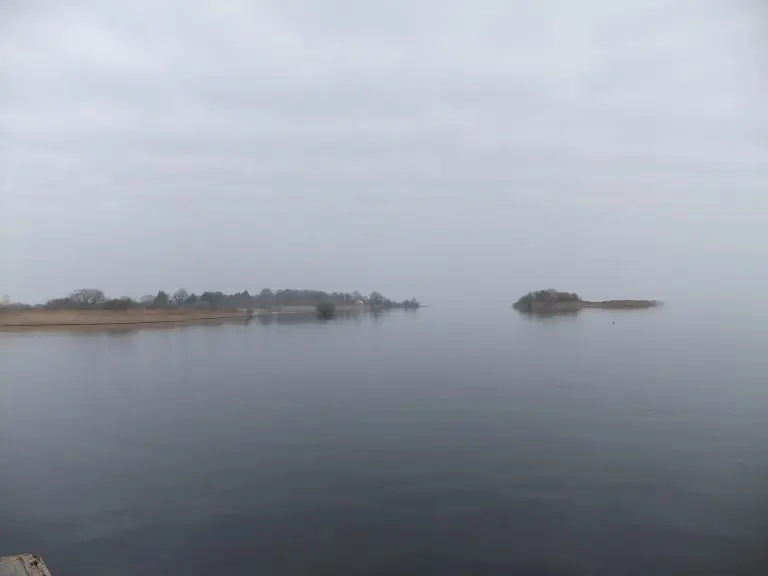
Carberry Island, known in Irish as Oileán Chairbre, is a small, uninhabited island in Lough Ree, one of the major lakes on…
 Island No.
799
Not yet collected
Freshwater
Inchbofin
Lough Ree
Inchbofin is an island of around 26.6 hectares in Lough Ree, on the River Shannon in central Ireland, in the lake's eastern…
Island No.
795
Not yet collected
Freshwater
Inchcleraun
Lough Ree
Inchcleraun, also known as Quaker Island, is an island in Lough Ree on the River Shannon in central Ireland, home to the…
