


Lighthouses
112 places on 88 islands
Lighthouses have guided shipping around Britain and Ireland for more than two centuries, and many of the most remarkable stand on islands, as close as they can get to the rocks and reefs they warn of. Here you will find every lighthouse on the islands we cover, from the Stevenson towers of the Hebrides and the Northern Isles to the granite rock lights of the Isles of Scilly and the island lights of Ireland, Wales and the Channel Islands.
Use the map to see where they are, filter by country, area or access, and open any lighthouse for its story, how to see it and the island it stands on.
- Places
- 112
- Islands
- 88
- Countries
- 5
- On inhabited islands
- 59
- Areas
- 34
Records
Oldest
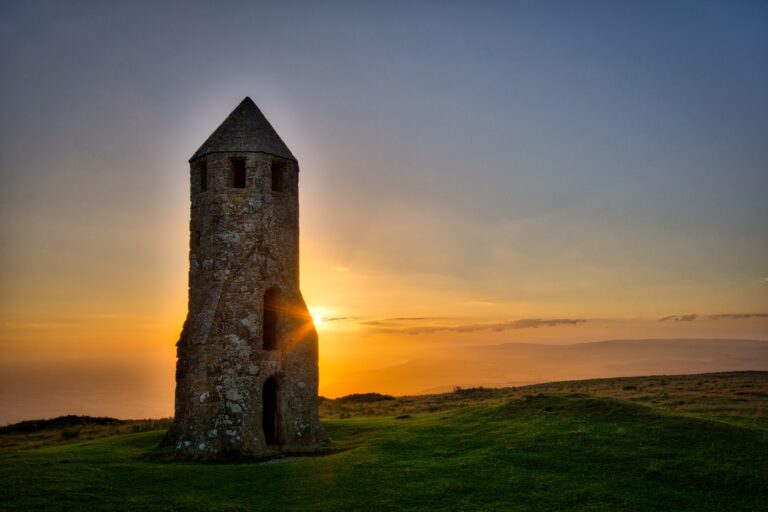
- 1 St Catherine’s Oratory 1328 · Isle of Wight
- 2 St Agnes Lighthouse 1680 · St Agnes
- 3 Skerries Lighthouse 1717 · The Skerries
- 4 Casquets Lighthouses 1724 · Casquets
- 5 Flat Holm Lighthouse 1737 · Flat Holm
Tallest
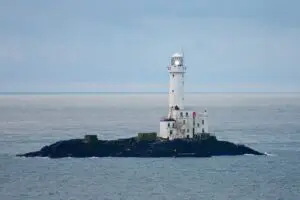
- 1 Fastnet Lighthouse 54 m · Fastnet Rock
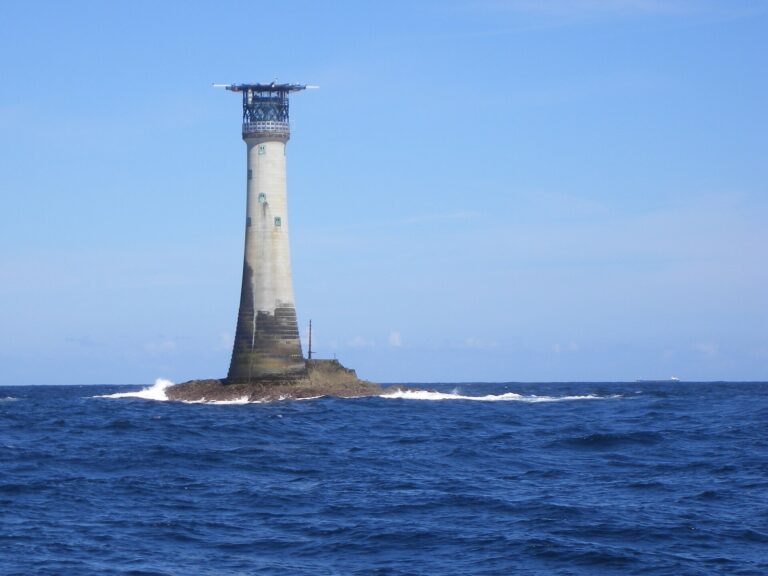
- 2 Bishop Rock Lighthouse 49 m · Bishop Rock
- 3 Eddystone Lighthouse 49 m · Eddystone Rocks
- 4 Skerryvore Lighthouse 48 m · Skerryvore
- 5 Chicken Rock Lighthouse 44 m · Chicken Rock
At a glance
Where they are
All lighthouses
112 places




































Showing all 112
Hampshire South Coast · England · 5
 Lighthouse
Egypt Point Light
Isle of Wight
Built 1897 · 7.5 m tower
 Lighthouse
Needles Lighthouse
Isle of Wight
Built 1859 · 31 m tower
 Lighthouse
Southsea Castle Lighthouse
Portsea Island
Built 1828 · 10 m tower
 Lighthouse
St Catherine’s Lighthouse
Isle of Wight
Built 1838 · 27 m tower
 Lighthouse
St Catherine’s Oratory
Isle of Wight
Built 1328 · 11 m tower
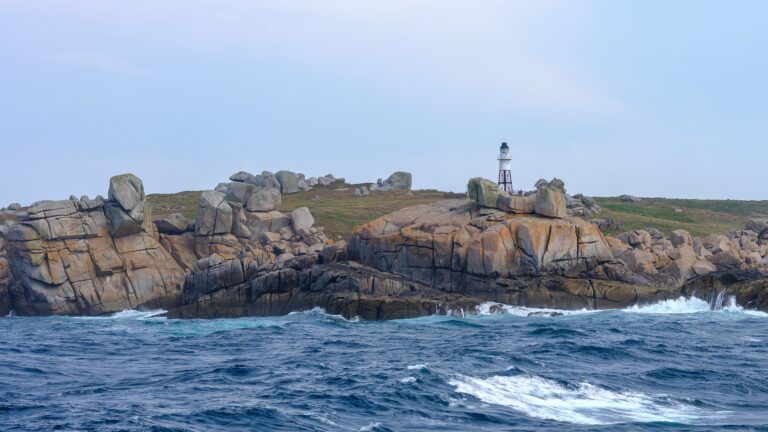
Isles of Scilly South Coast · England · 4



Bristol Channel West Coast · England · 3

Dorset South Coast · England · 3


Farne Islands East Coast · England · 3


Cornwall South Coast · England · 2
Humber Estuary East Coast · England · 2


Wirral West Coast · England · 2


Lands End South Coast · England · 1

Northumberland East Coast · England · 1

Atlantic Ocean West Coast · Ireland · 4


Donegal Bay West Coast · Ireland · 4


Aran Islands West Coast · Ireland · 3

East Coast Ireland · 3


Rathlin and North Antrim Coast North Coast · Ireland · 2

Bantry Bay West Coast · Ireland · 1

Clew Bay West Coast · Ireland · 1

South Coast Ireland · 1

Orkney North Coast · Scotland · 10
 Lighthouse
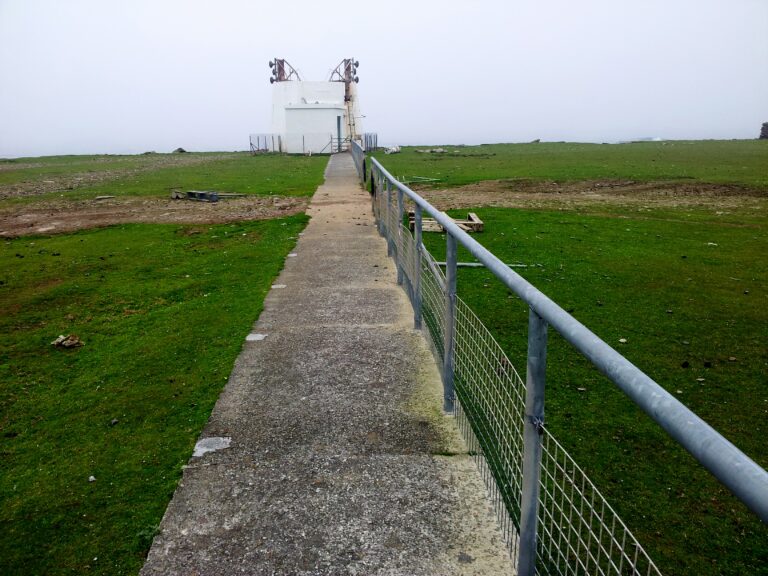
North Ronaldsay Lighthouse
North Ronaldsay
Built 1852 · 42 m towerView from outside
 Lighthouse
Cantick Head Lighthouse
South Walls
Built 1858 · 22 m towerView from outside
 Lighthouse
Dennis Head Old Beacon
North Ronaldsay
Built 1789 · 21 m tower
 Lighthouse
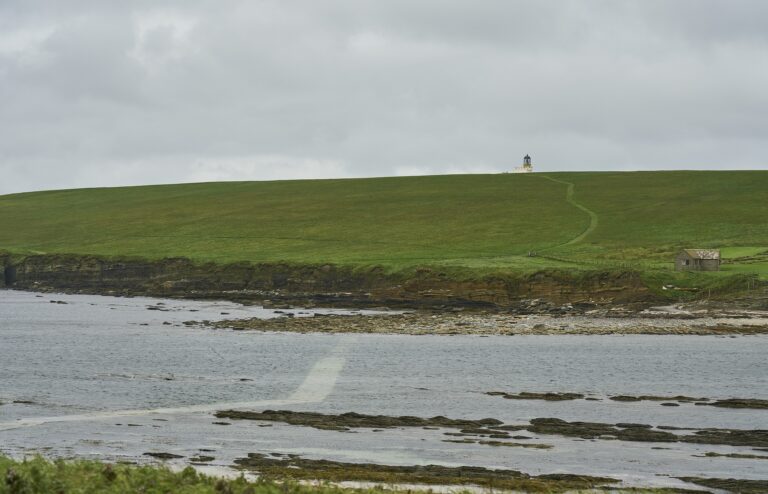
Brough of Birsay Lighthouse
Brough of Birsay
Built 1925 · 11 m towerView from outside
 Lighthouse
Noup Head Lighthouse
Westray
Built 1898 · 24 m towerView from outside
 Lighthouse
Hoy Sound High Light
Graemsay
Built 1851 · 32.9 m towerView from outside
 Lighthouse
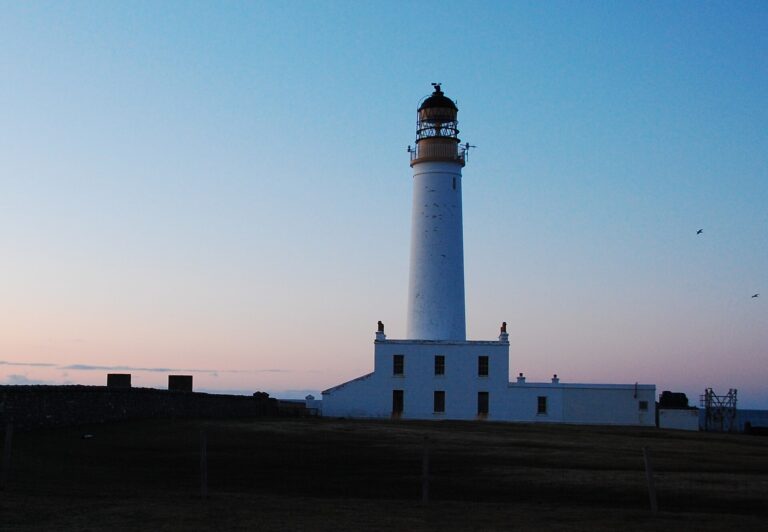
Auskerry Lighthouse
Auskerry
Built 1866 · 34 m towerView from outside
 Lighthouse
Sule Skerry Lighthouse
Sule Skerry
Built 1895 · 27 m towerView from outside
 Lighthouse
Start Point Lighthouse
Sanday
Built 1806 · 25 m towerView from outside
 Lighthouse
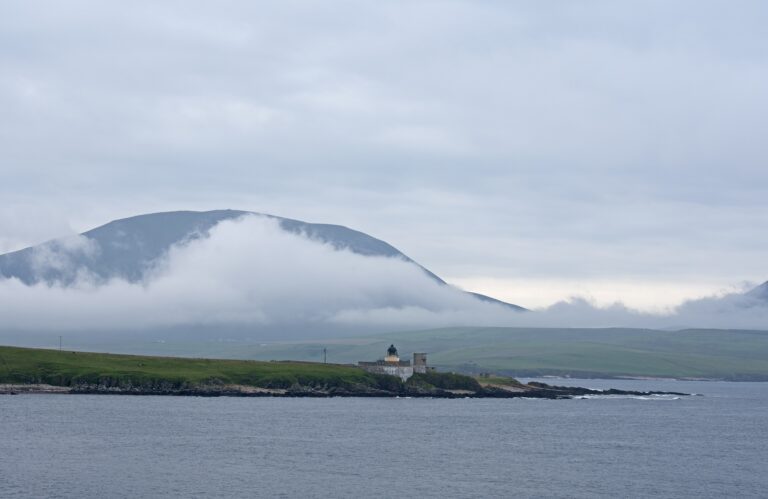
Hoy Sound Low Light
Graemsay
Built 1851 · 12 m towerView from outside
Inner Hebrides West Coast · Scotland · 8
 Lighthouse
Rubha nan Gall Lighthouse
Isle of Mull
Built 1857 · 19 m towerView from outside
 Lighthouse
Skerryvore Lighthouse
Skerryvore
Built 1844 · 48 m towerView from outside
 Lighthouse
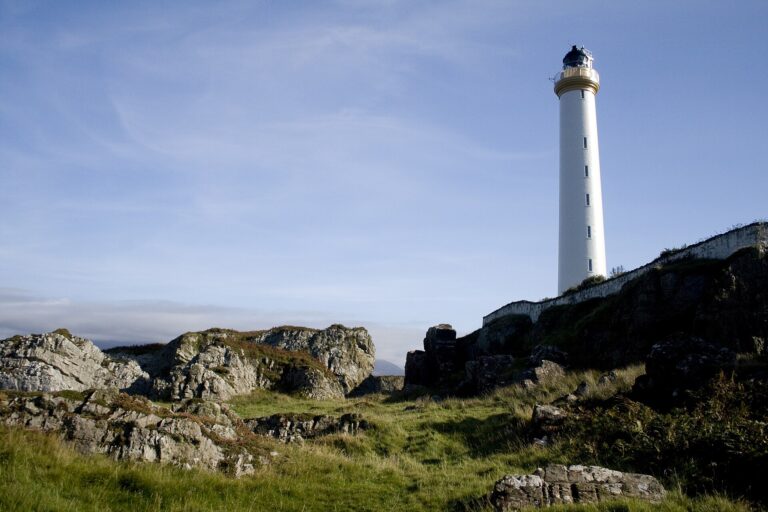
Ruvaal Lighthouse
Islay
Built 1859 · 34 m towerView from outside
 Lighthouse
Dubh Artach Lighthouse
Dubh Artach
Built 1872 · 38 m towerView from outside
 Lighthouse
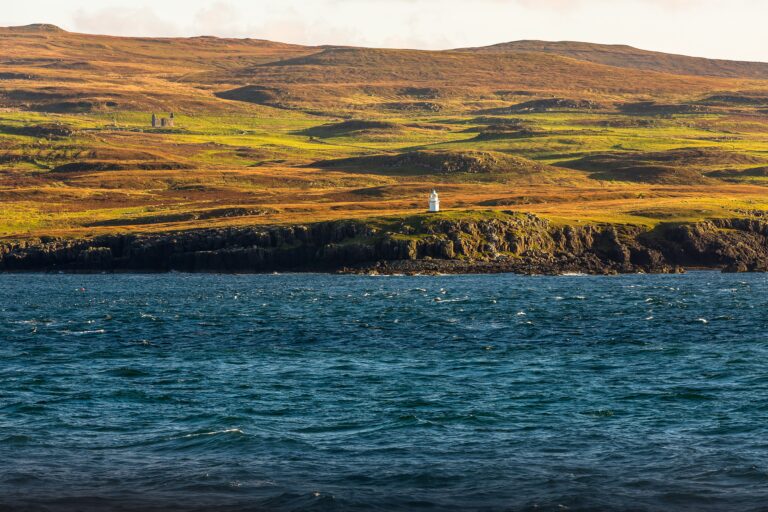
Vaternish Lighthouse
Isle of Skye
Built 1980 · 7 m towerView from outside
 Lighthouse
Point of Sleat Lighthouse
Isle of Skye
Built 2003 · 5 m towerView from outside
 Lighthouse
Lismore Lighthouse
Eilean Musdile
Built 1833 · 26 m towerView from outside
 Lighthouse
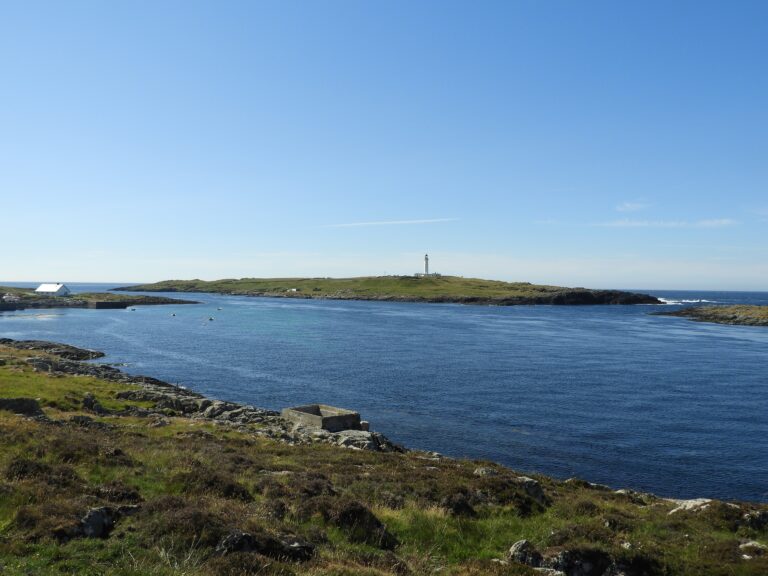
Rinns of Islay Lighthouse
Orsay
Built 1825 · 29 m towerView from outside
Outer Hebrides West Coast · Scotland · 6
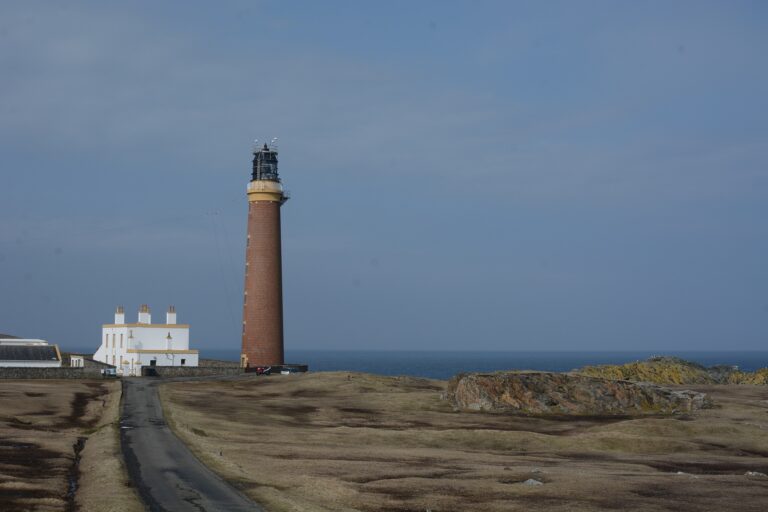 Lighthouse
Butt of Lewis Lighthouse
Lewis and Harris
Built 1862 · 37 m towerView from outside
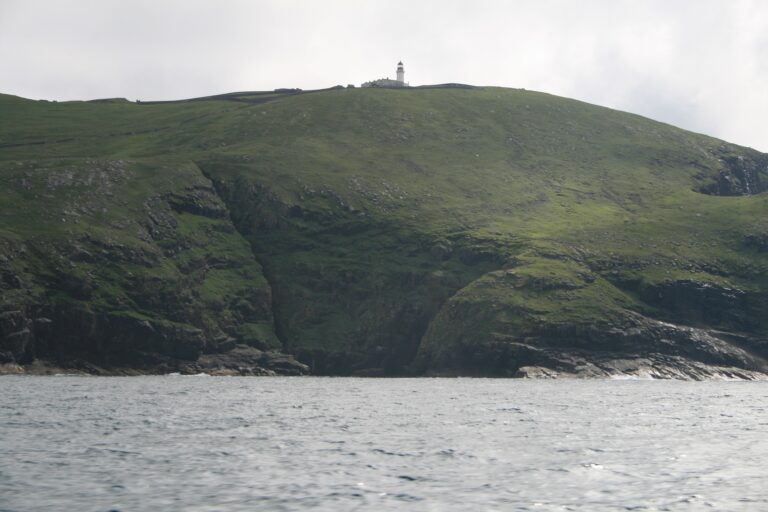 Lighthouse
Barra Head Lighthouse
Barra Head
Built 1833 · 18 m towerView from outside
 Lighthouse
Eilean Glas Lighthouse
Scalpay
Built 1789 · 30 m towerView from outside
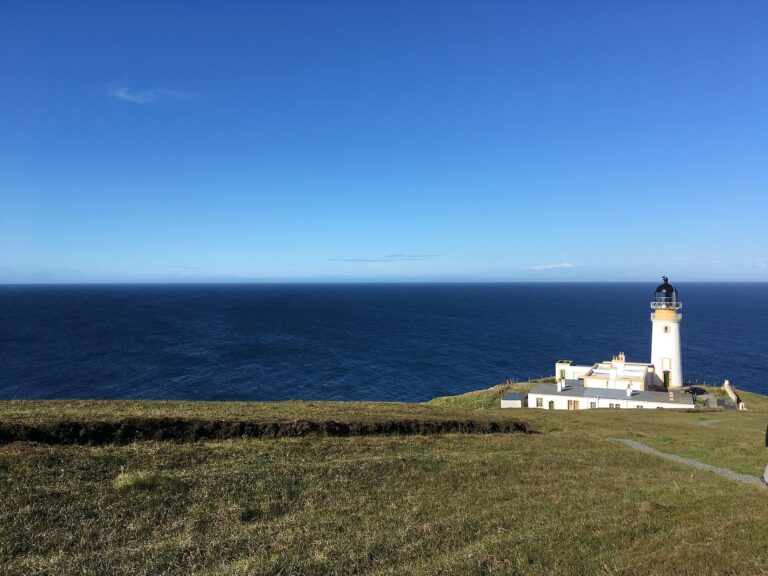 Lighthouse
Tiumpan Head Lighthouse
Lewis and Harris
Built 1900 · 21 m towerView from outside
 Lighthouse
Ushenish Lighthouse
South Uist
Built 1857 · 12 m towerView from outside
 Lighthouse
Old Monach Lighthouse
Shillay (Monach Islands)
Built 1864 · 41 m towerView from outside
Firth of Clyde West Coast · Scotland · 5
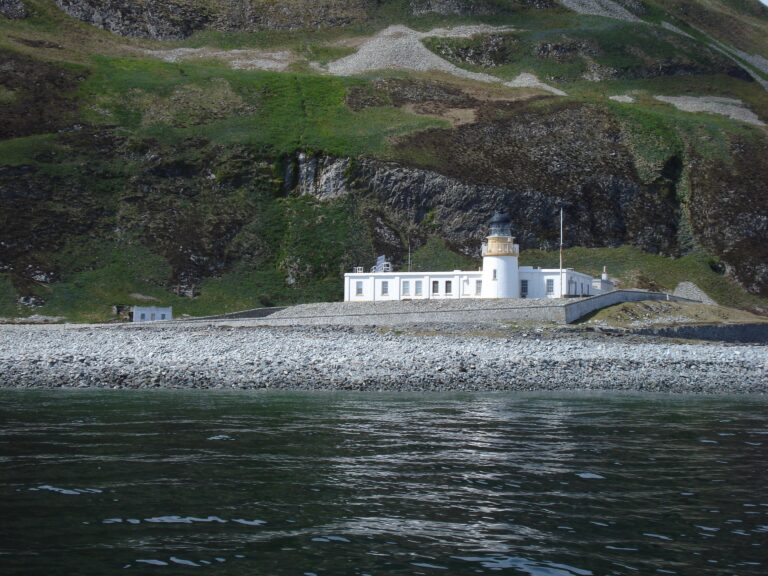 Lighthouse
Ailsa Craig Lighthouse
Ailsa Craig
Built 1886 · 11 m towerView from outside
 Lighthouse
Pladda Lighthouse
Pladda
Built 1790 · 29 m towerView from outside
 Lighthouse
Davaar Lighthouse
Island Davaar
Built 1854 · 20 m towerView from outside
 Lighthouse
Cumbrae Lighthouse
Little Cumbrae
Built 1793View from outside
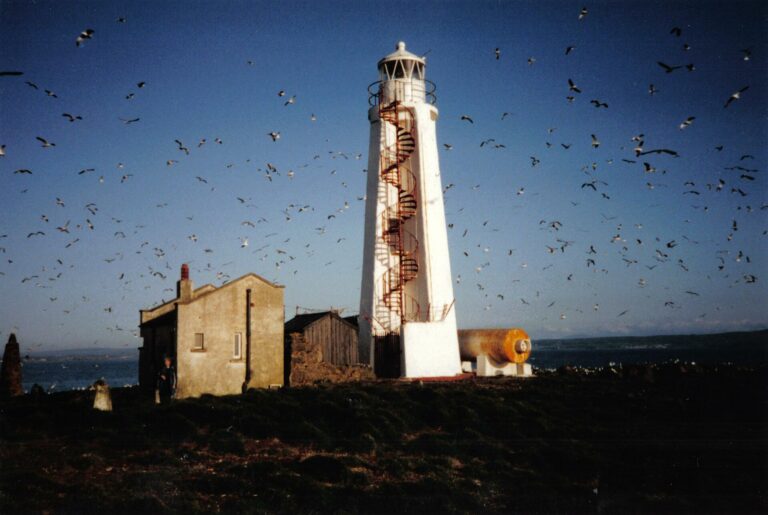 Lighthouse
Lady Isle Lighthouse
Lady Isle
Built 1903 · 15 m towerView from outside
Shetland North Coast · Scotland · 4
 Lighthouse
Muckle Flugga Lighthouse
Muckle Flugga
Built 1854 · 20 m towerView from outside
 Lighthouse
Sumburgh Head Lighthouse
Mainland
Built 1821 · 17 m towerView from outside
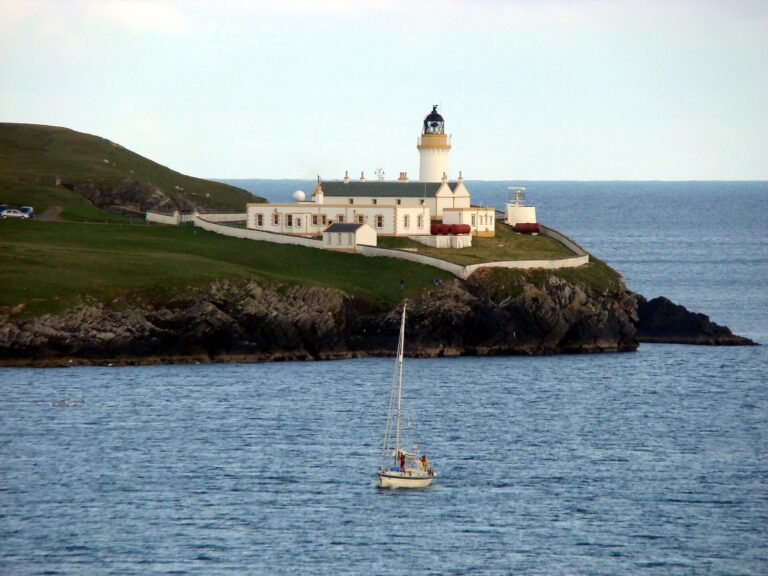 Lighthouse
Bressay Lighthouse
Bressay
Built 1858 · 16 m towerView from outside
 Lighthouse
Esha Ness Lighthouse
Mainland
Built 1925 · 12 m towerView from outside
Firth of Forth East Coast · Scotland · 3


East Coast Scotland · 2


Highland West Coast · Scotland · 2
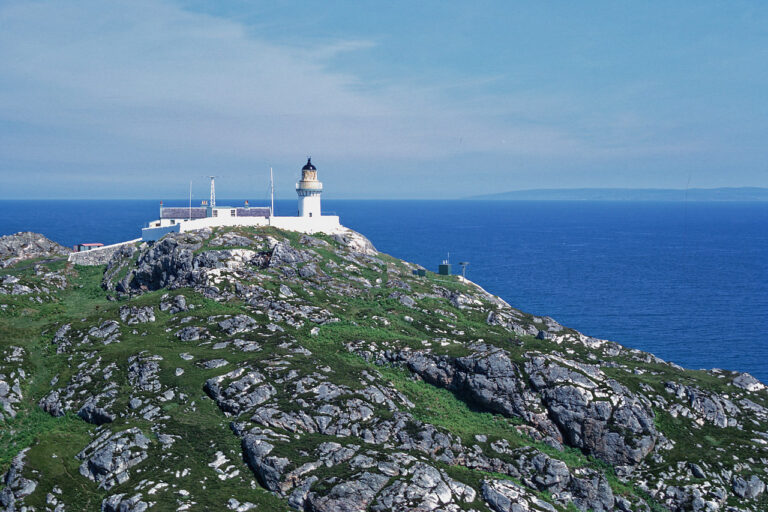

South Coast Scotland · 1
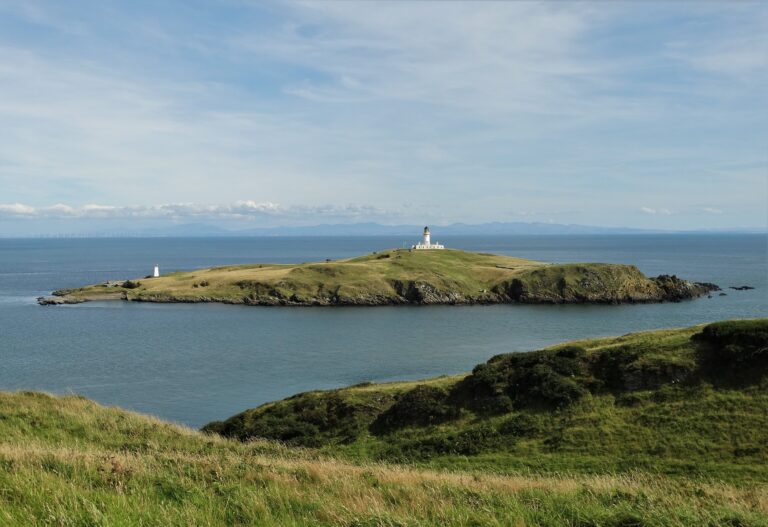
North Coast Wales · 5
 Lighthouse
Amlwch Lighthouse
Anglesey
Built 1817 · 11 m tower
 Lighthouse
Holyhead Breakwater Lighthouse
Anglesey
Built 1873 · 19 m tower
 Lighthouse
Holyhead Mail Pier Lighthouse
Anglesey
Built 1821 · 15 m tower
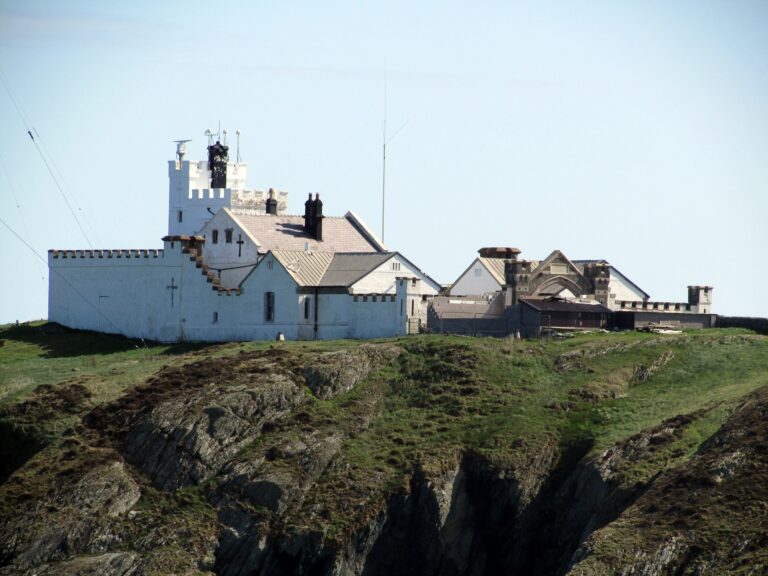 Lighthouse
Point Lynas Lighthouse
Anglesey
Built 1835 · 11 m tower
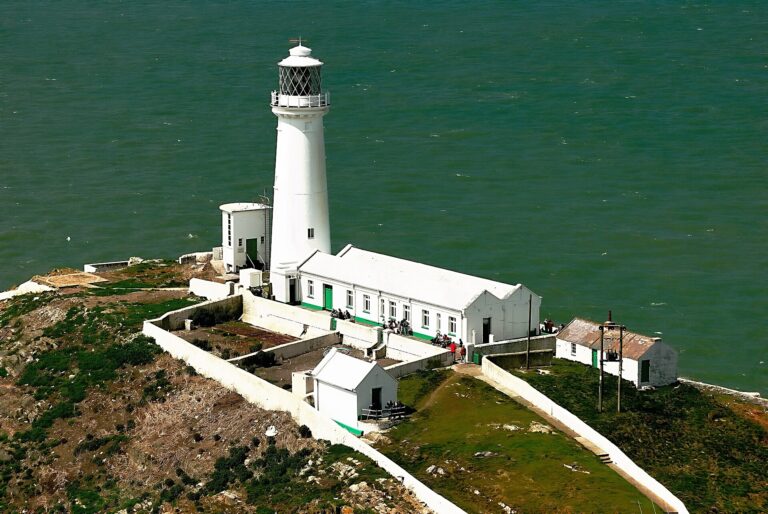 Lighthouse
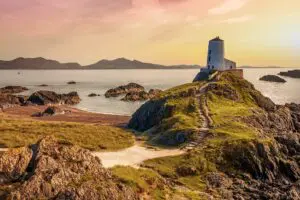
South Stack Lighthouse
Anglesey
Built 1809 · 28 m tower
Anglesey North Coast · Wales · 2
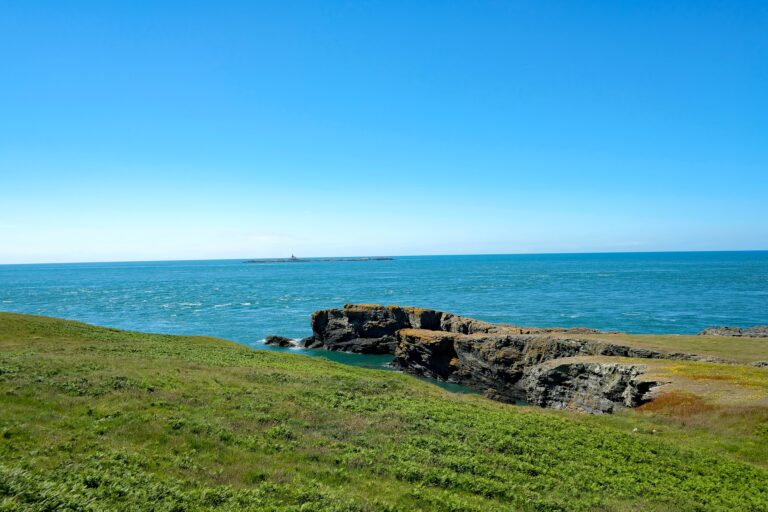

Llyn Peninsula North Coast · Wales · 2


Pembrokeshire West Coast · Wales · 2
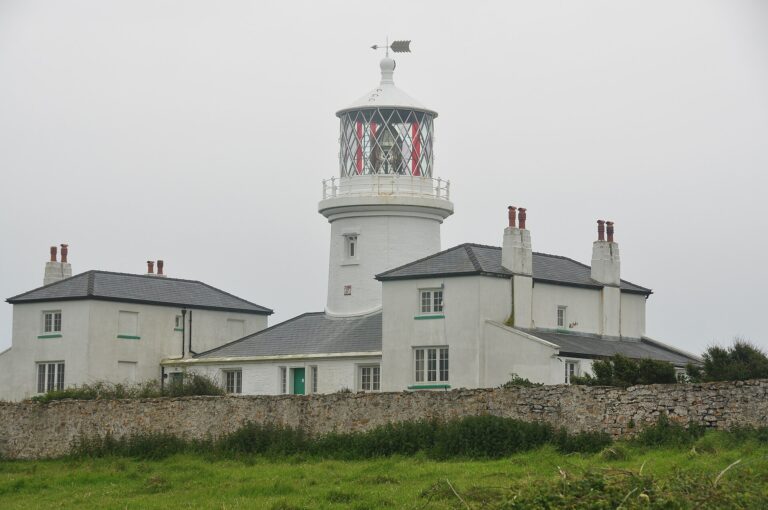

Bristol Channel South Coast · Wales · 1

Isle of Man Crown Dependencies · 8
 Lighthouse
Calf of Man High Lighthouse
Calf of Man
 Lighthouse
Calf of Man Lighthouse
Calf of Man
Built 1968
 Lighthouse
Calf of Man Low Lighthouse
Calf of Man
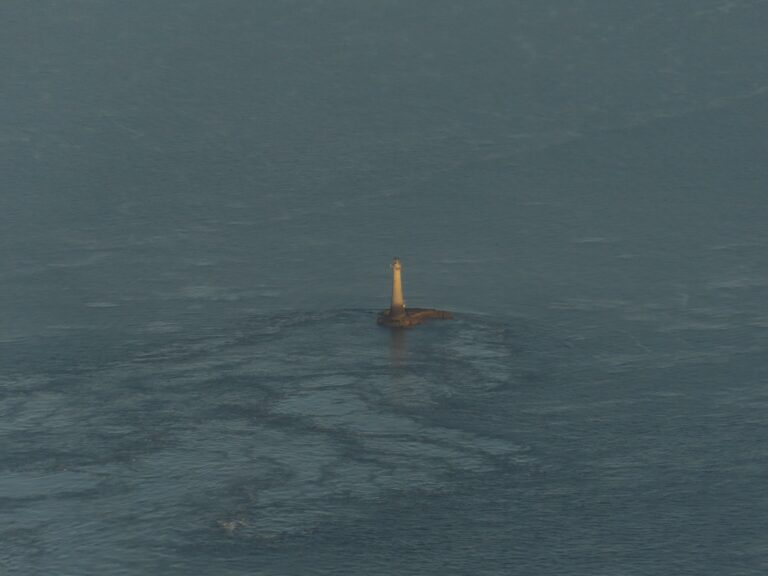 Lighthouse
Chicken Rock Lighthouse
Chicken Rock
Built 1875 · 44 m tower
 Lighthouse
Douglas Head Lighthouse
Isle of Man
Built 1857 · 20 m tower
 Lighthouse
Langness Lighthouse
Isle of Man
Built 1880 · 19 m tower
 Lighthouse
Maughold Head Lighthouse
Isle of Man
Built 1914 · 23 m tower
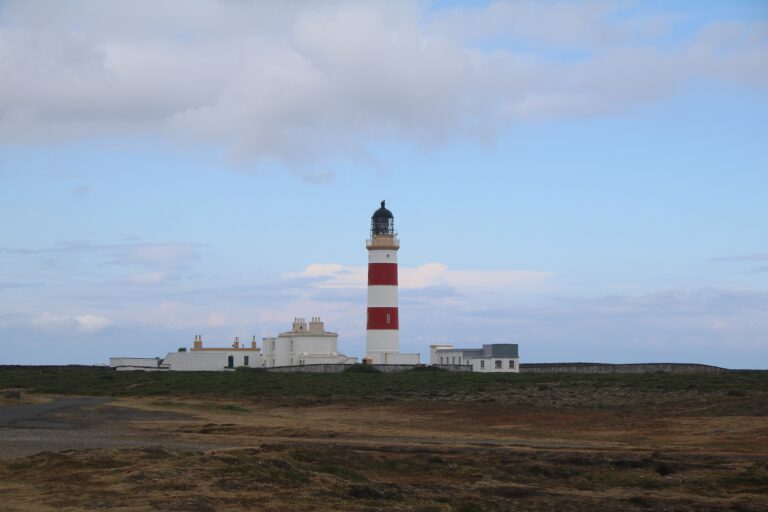 Lighthouse
Point of Ayre Lighthouse
Isle of Man
Built 1818 · 30 m tower
Channel Islands Crown Dependencies · 6
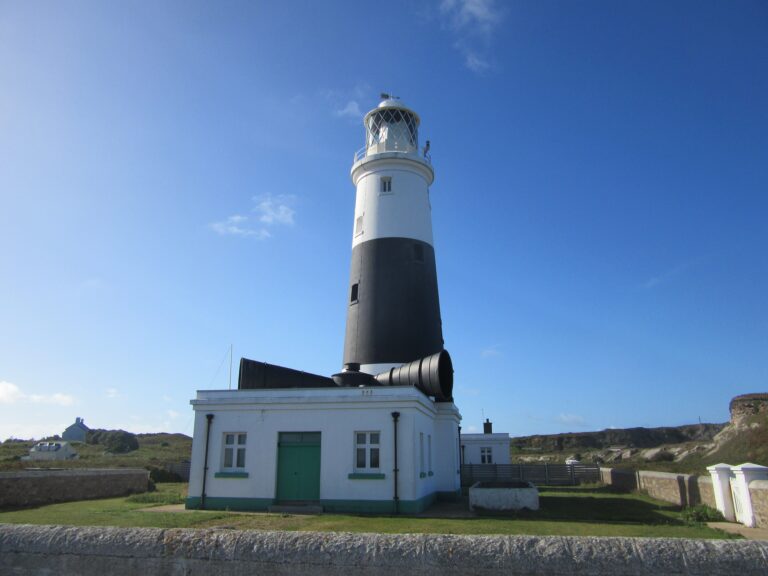 Lighthouse
Alderney Lighthouse
Alderney
Built 1912 · 32 m tower
 Lighthouse
Casquets Lighthouses
Casquets
Built 1724 · 23 m tower
 Lighthouse
La Corbière Lighthouse
Jersey
Built 1874 · 19 m tower
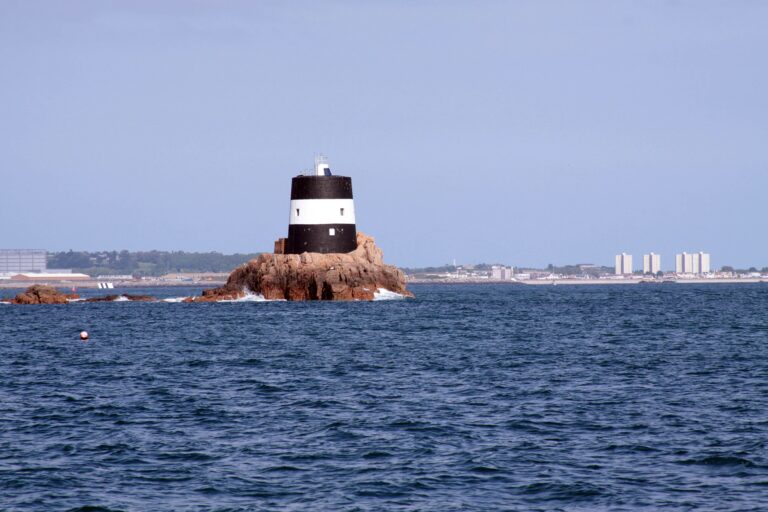 Lighthouse
La Tour de Vinde
Jersey
Built 1915 · 10 m tower
 Lighthouse
Les Hanois Lighthouse
Guernsey
Built 1862 · 36 m tower
 Lighthouse
Sark Lighthouse
Sark
Built 1913 · 17 m tower
About lighthouses
About island lighthouses
Who looks after them
Three bodies, known as the General Lighthouse Authorities, run the lights around these coasts. The Northern Lighthouse Board, founded in 1786, covers Scotland and the Isle of Man. Trinity House, which received its charter from Henry VIII in 1514, covers England, Wales and the Channel Islands, and the Commissioners of Irish Lights look after the whole island of Ireland. Some smaller harbour and channel lights belong to local harbour authorities.
The lighthouse Stevensons
For more than a century the lights of Scotland were designed by one family. Robert Stevenson, engineer to the Northern Lighthouse Board, built the Bell Rock Lighthouse in 1810; his son Alan built Skerryvore, Scotland's tallest lighthouse, in 1844; and his sons David and Thomas went on to build dozens more, including Muckle Flugga, the most northerly in Britain. Thomas's son was the writer Robert Louis Stevenson, who trained as an engineer before turning to books.
The end of the keepers
For generations keepers and their families lived beside the lights, often on islands with no other inhabitants. Automation came gradually through the twentieth century, and the last keepers left in the late 1990s: the Baily in Ireland in 1997, then North Foreland in England and Fair Isle South in Scotland in 1998. Today the lights are monitored remotely, but many keepers' cottages survive as homes, holiday lets and small museums.
Visiting
Most lighthouses are working aids to navigation and are not open inside, but many can be walked to and seen up close, and a few offer tours or have visitor centres. Rock lighthouses far offshore, such as Bishop Rock or Skerryvore, can only be seen from the water, on boat trips that run in calm summer weather.
