
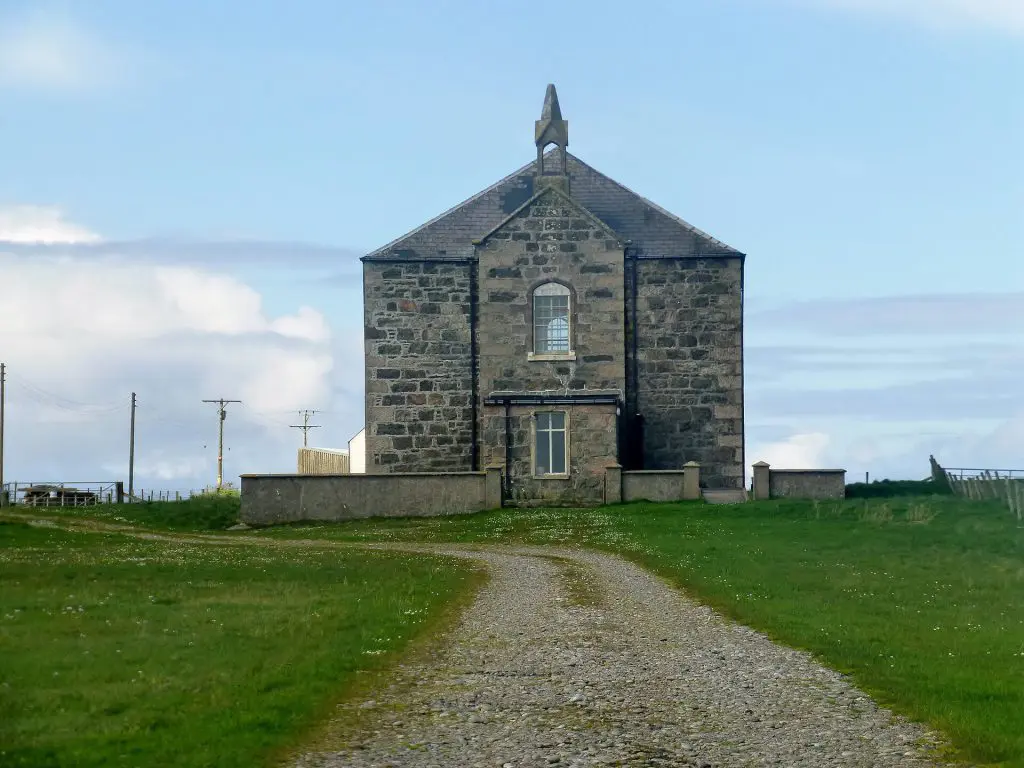


Tiree
Tiree is the most westerly island of the Inner Hebrides, a low, flat and fertile island fringed with some of the finest white beaches in Scotland. It covers about 19,270 acres and has around 650 people, known in Gaelic as Tirisdich. Tiree is one of the sunniest places in the British Isles in late spring and early summer, and also one of the windiest, which has made it famous among windsurfers and kitesurfers as the “Hawaii of the north”. Its Gaelic name, Tiriodh, is often said to mean “land of corn”, a reminder of its rich farmland.
Landscape
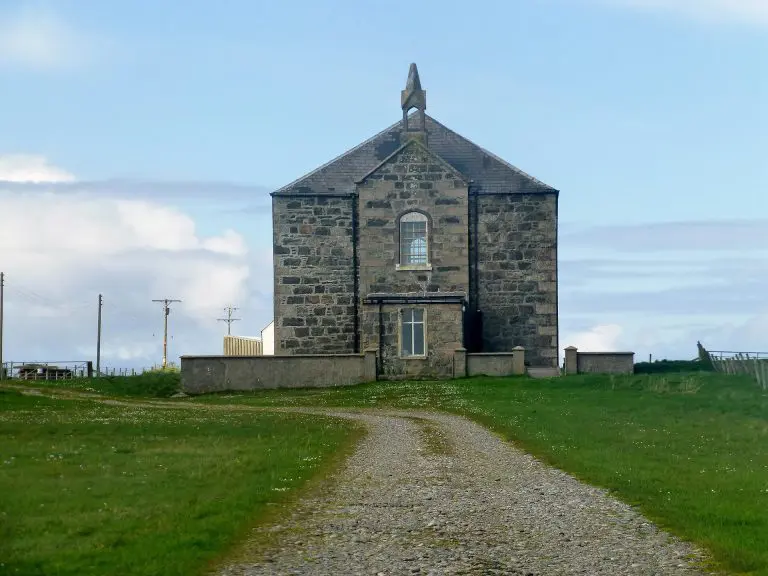
Most of Tiree lies only a few metres above sea level, with the highest points, Ben Hynish and Beinn Hough, reaching just over 140 metres. The island is ringed by long sandy bays such as Balevullin, the Maze, Gott Bay and Balephetrish, backed by rich machair grassland, which bursts into flower in summer. The flat land and lack of trees mean the island is open to every wind, and the light is famously clear. Tiree is an important refuge for corncrakes and breeding waders, and seabirds nest on the cliffs of Ceann a’ Mhara in the south-west.
History
Stone tools found on the island suggest people reached Tiree at the end of the last Ice Age. Its prehistoric remains include the 1st-century AD broch of Dùn Mòr Bhalla and the Ringing Stone, a large glacial boulder covered in cup marks that rings like metal when struck. In the 6th century St Columba’s monks from nearby Iona founded monasteries here, and Adomnán’s life of the saint tells several stories set on the island. Tiree later passed to the Campbells, and it remains part of the Duke of Argyll’s estate. In the 19th century overcrowding and clearances drove many islanders to emigrate to Canada.
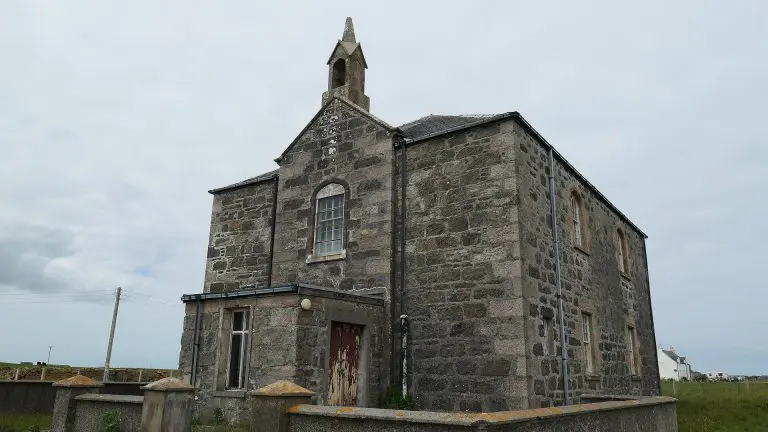
At Hynish, the shore station and signal tower built in the 1840s for the Skerryvore lighthouse, which stands on a reef twelve miles to the south-west, now house a museum.
Stone tools found on the island suggest people reached Tiree at the end of the last Ice Age.
Visiting
Caledonian MacBrayne ferries sail from Oban to Scarinish, the island’s main village, in about four hours, usually calling at Coll, and Loganair flies from Glasgow to Tiree’s airport. Bikes are an ideal way to get around the flat roads. The Skerryvore Lighthouse Museum at Hynish, the An Iodhlann heritage centre, the Ringing Stone and Dùn Mòr are worth seeking out, and the beaches are endless. Each October the Tiree Wave Classic brings windsurfers from around the world, and in July the Tiree Music Festival fills the island with music.
Wildlife
Among the wildlife most often recorded on Tiree are Corncrake, Brown Hare, Sanderling, Whooper Swan, Bar-tailed Godwit and Pintail. See the Wildlife tab for the full list of 128 species and when to see them.
Tides
Now
—
Next high water
—
Next low water
—
Heights in metres relative to mean sea level; times are UK time. Not for navigation. Tide model: Open-Meteo (CC BY 4.0).
How to get to Tiree
You can reach Tiree by ferry and by air.
By ferry
By air
Plan your trip
Timetables change, so always check with the operator before you travel. We may earn a commission if you book through some of these links, at no extra cost to you.
Where to stay on Tiree
7 places to stay on Tiree, from hotels and B&Bs to hostels and campsites.
Check dates and prices-
Scarinish Hotel
Hotel · Isle of Tiree
-
Taigh-òsta Riof
Hotel
-
Tiree Lodge Hotel
Hotel · Kirkapoll
-
Ceabhar
Self-catering
-
Skerry View
Self-catering
-
Millhouse Hostel
Hostel
-
Balinoe Campsite
Campsite
We may earn a commission if you book through some of these links, at no extra cost to you. Places to stay are from OpenStreetMap; if one has closed or is missing, let us know. Data © OpenStreetMap contributors.
Wildlife
131 species recorded on the island
Highlights



All wildlife
Loading all 131 species…
Nothing on the list is usually seen this month.
Recordings from Wikimedia Commons, under Creative Commons licences; hover a Listen button for the recordist. Sightings are records shared with GBIF since 2000.
Watching wildlife responsibly. Keep your distance from seals, seabird colonies and cetaceans, stay quiet, and never feed or chase wildlife. See the Scottish Marine Wildlife Watching Code.


