

Birds
170 species on the islands
Britain and Ireland’s islands support some of the most important seabird populations in the world, with remote, predator-free rocks and cliffs providing exactly the kind of undisturbed nesting ground that species such as puffins, gannets, guillemots and storm petrels depend on. Many of the colonies found on islands catalogued on this site, from the towering cliffs of St Kilda to the low, rat-free skerries off the Scottish and Irish coasts, hold internationally significant proportions of their species’ entire world population, making these islands as important for global bird conservation as they are distinctive in the landscape.
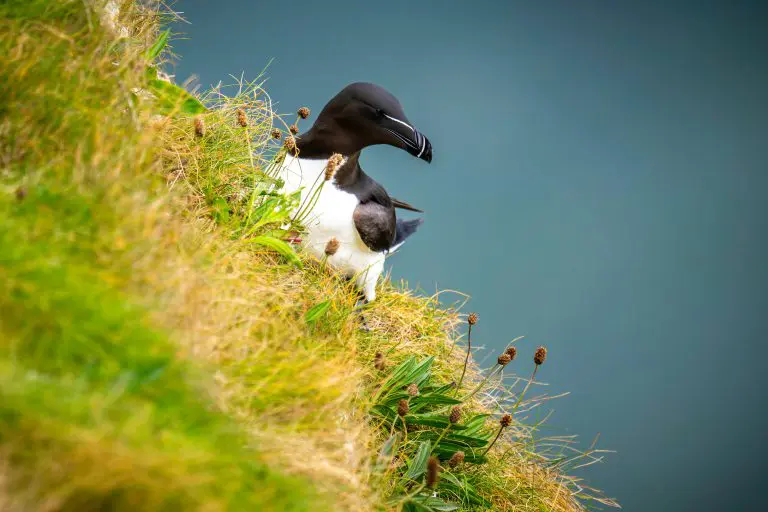
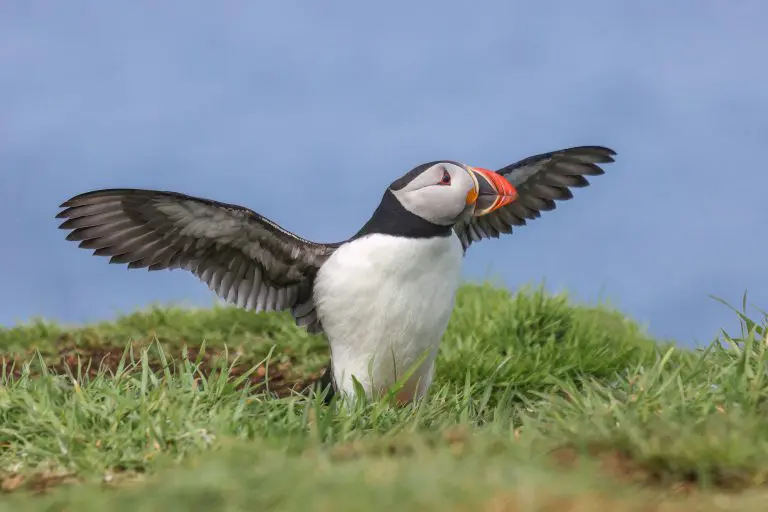
The birds featured here are grouped into broad families reflecting their evolutionary relationships and shared habits: auks such as puffins, guillemots and razorbills, which dive from the surface to “fly” underwater in pursuit of fish; gulls and kittiwakes, opportunistic and highly adaptable; terns, elegant plunge-divers famed for extraordinary long-distance migrations; skuas, aerial pirates that steal much of their food from other seabirds; petrels and shearwaters, nocturnal, burrow-nesting wanderers that spend almost their entire lives far out at sea; and gannets and cormorants, powerful divers and swimmers built for a life spent chasing fish beneath the waves.
Many of these species nest only on islands precisely because of the safety that isolation provides. Ground-nesting birds such as storm petrels and Manx shearwaters are entirely defenceless against introduced predators like rats and cats, and a single such predator reaching a previously safe island can wipe out a colony that took centuries to establish. This vulnerability has made predator eradication and biosecurity one of the most important and successful tools in British and Irish seabird conservation, restoring breeding success to islands that had lost their colonies decades earlier.
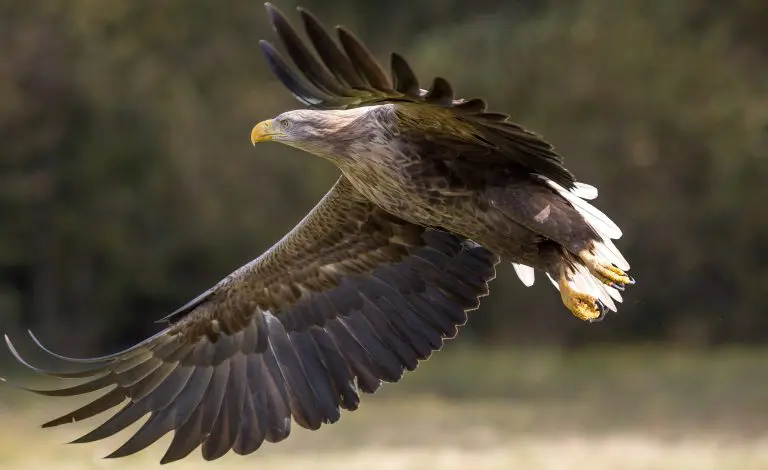
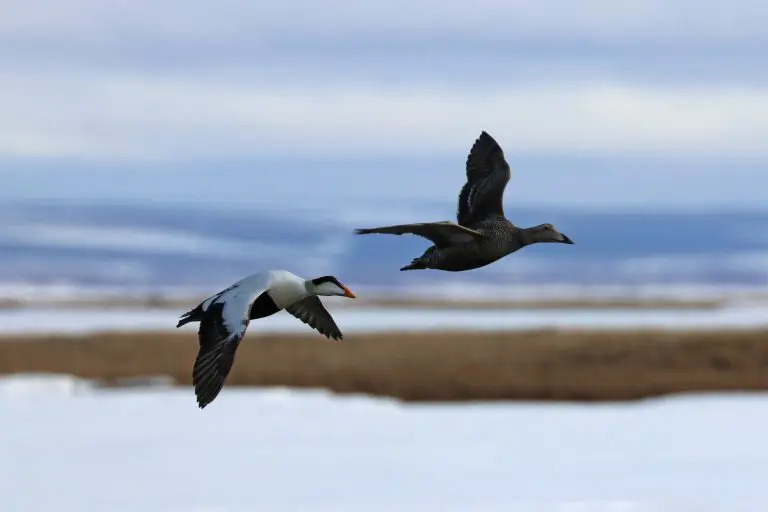
Not all of the birds found on these islands are seabirds in the strictest sense. Birds of prey such as the white-tailed sea eagle, once driven to extinction in Britain and now successfully reintroduced to island strongholds in the Hebrides, and wildfowl such as the common eider, a heavyset sea duck whose down has been harvested for bedding for centuries, round out a wider picture of island birdlife shaped as much by cliffs and open water as by moorland and shoreline.
Seasonal change defines much of island birdwatching: spring and early summer bring huge numbers of auks, terns and gulls crowding onto cliffs and beaches to breed, while autumn sees many of the same birds disperse far out to sea, some undertaking migrations that span the length of the planet. Arctic terns, for instance, travel between the Arctic and Antarctic each year, while Manx shearwaters cross the Atlantic to winter off South America, journeys that make Britain and Ireland’s island seabird colonies part of a truly global migratory network rather than a purely local phenomenon.
Seabird cities
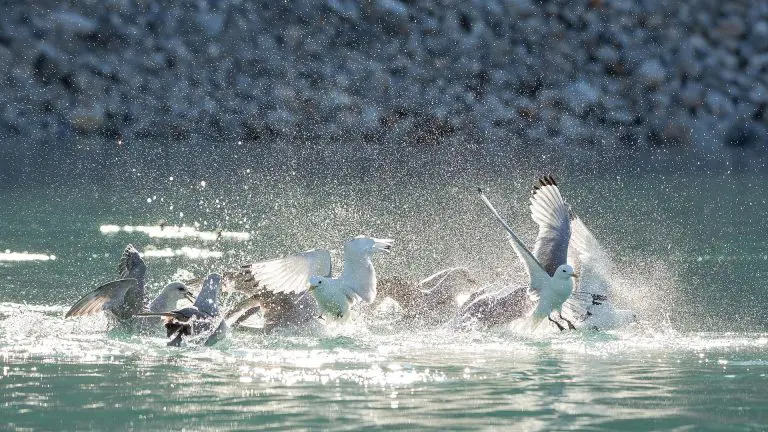
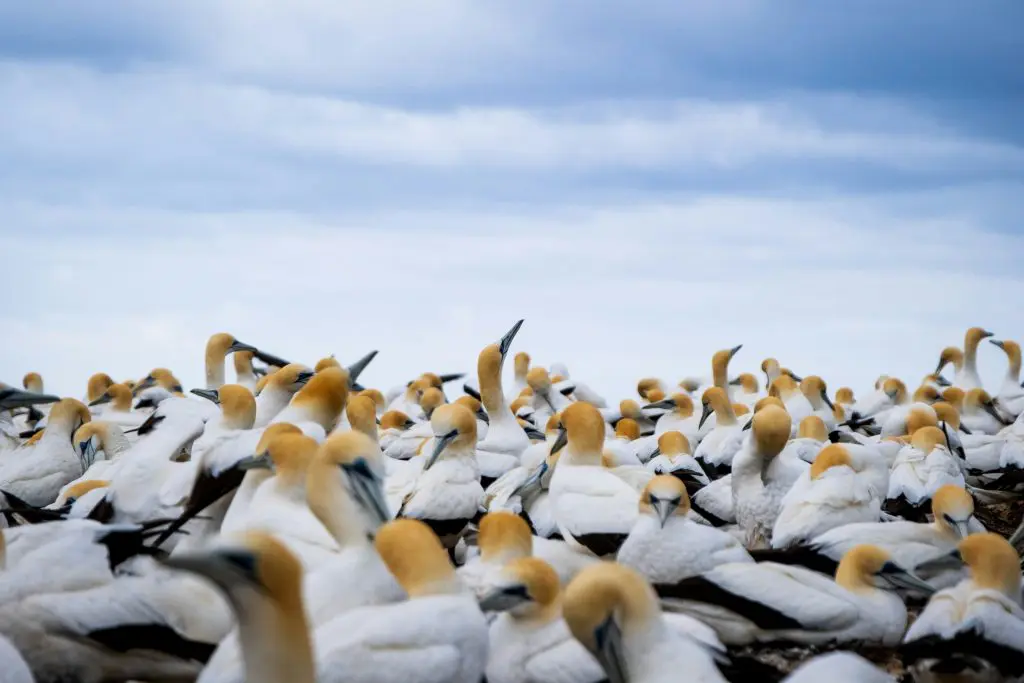
Each spring, millions of seabirds return to the islands to breed: gannets, guillemots, razorbills, kittiwakes, fulmars, puffins and shearwaters. Islands such as St Kilda, the Bass Rock, Skomer, the Farne Islands, Fair Isle and the Shiant Isles hold colonies of international importance, some of them among the largest in the world. The noise, the smell and the sheer numbers of birds wheeling around the cliffs are one of the great wildlife spectacles of Europe.
Birds of the machair and moor
Away from the cliffs, the islands are a stronghold for birds that have declined on the mainland. The machair and crofts of the Hebrides hold the Corncrake and some of the highest densities of breeding waders in Europe, the moors of Orkney the Hen Harrier and Short-eared Owl, and the Northern Isles the Red-throated Diver and both British skuas.
Migration and rarities
Islands are natural landing places for birds on migration, and the bird observatories on Fair Isle, Bardsey, Skokholm, the Calf of Man and other islands have studied these movements for decades. In spring and autumn, rare birds from Siberia, Scandinavia and North America turn up on the Northern Isles and the Isles of Scilly, drawing birdwatchers from across Britain.
Threats and recovery
Island birds face real threats: shortages of the sand eels and small fish many seabirds feed their chicks, warming seas, storms, bird flu, and rats and other predators brought by people. But there are successes too, from the return of the Sea Eagle to the recovery of puffins and Manx shearwaters on islands cleared of rats.
Kinds of birds
Every species ↓ 56 species Songbirds
 23 species Wildfowl
 21 species Waders
12 species Birds of Prey
 8 species Corvids
 7 species Gulls
 6 species Divers and Grebes
 5 species Auks
 5 species Petrels and Shearwaters
 4 species Pigeons and Doves
 4 species Rails
 4 species Terns
 3 species Gannets and Cormorants
 3 species Herons and Egrets
 3 species Woodpeckers and Kingfishers
 2 species Gamebirds
 2 species Other Birds
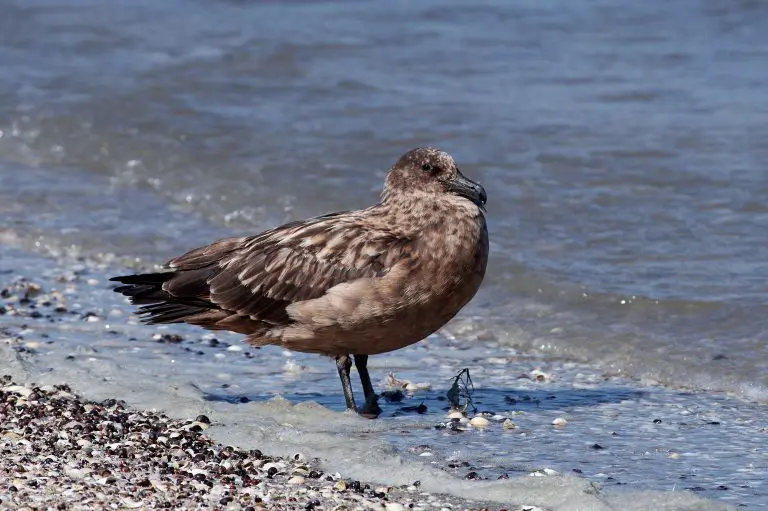 2 species Skuas
Every species: Birds
170 Skuas
Arctic Skua
Stercorarius parasiticus
The Arctic skua, more formally known as the parasitic jaeger (Stercorarius parasiticus), is a seabird whose entire way of life is built around theft.…
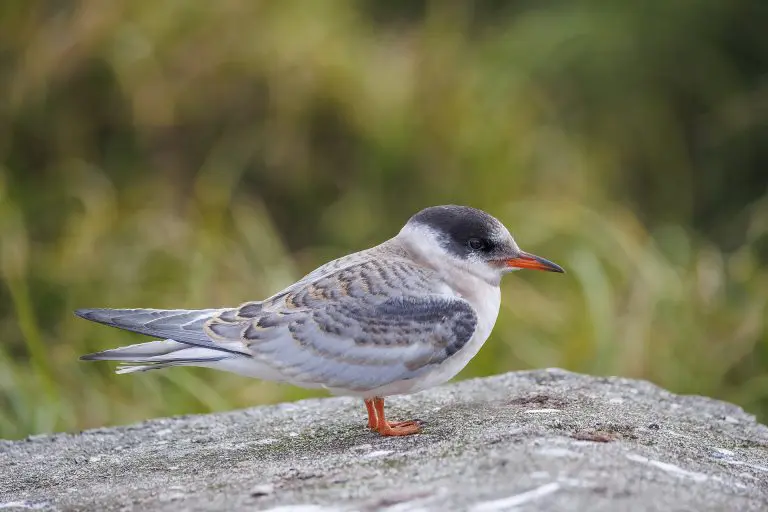 Terns
Arctic Tern
Sterna paradisaea
Few birds anywhere on Earth travel as far as the Arctic tern (Sterna paradisaea). Breeding on British and Irish coasts and islands each summer,…
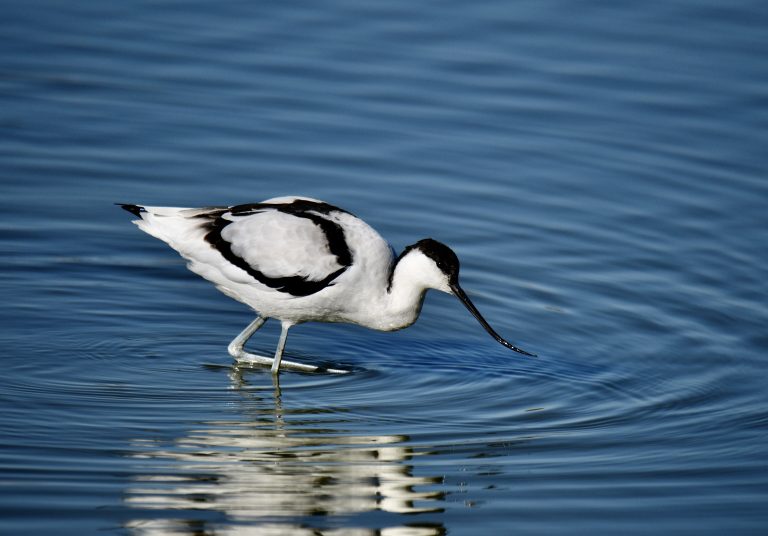 Waders
Avocet
Recurvirostra avosetta
The black and white wader with an upturned bill that returned to breed in Britain in 1947 on Havergate Island, and became the symbol…
 Waders
Bar-tailed Godwit
Limosa lapponica
The bar-tailed godwit (Limosa lapponica) is a long-legged wader with a long, slightly upturned bill. In summer the male is brick-red below.On the islandsBar-tailed…
 Wildfowl
Barnacle Goose
Branta leucopsis
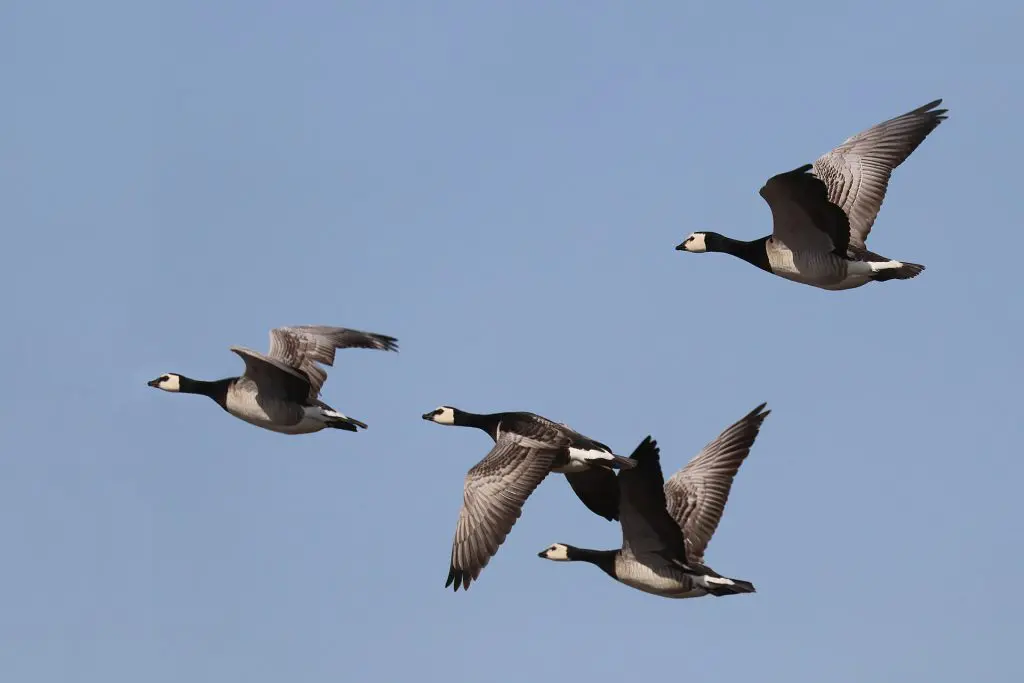
The barnacle goose (Branta leucopsis) is a striking black, white and silver-grey goose whose winter arrival on a handful of Scottish and Irish islands…
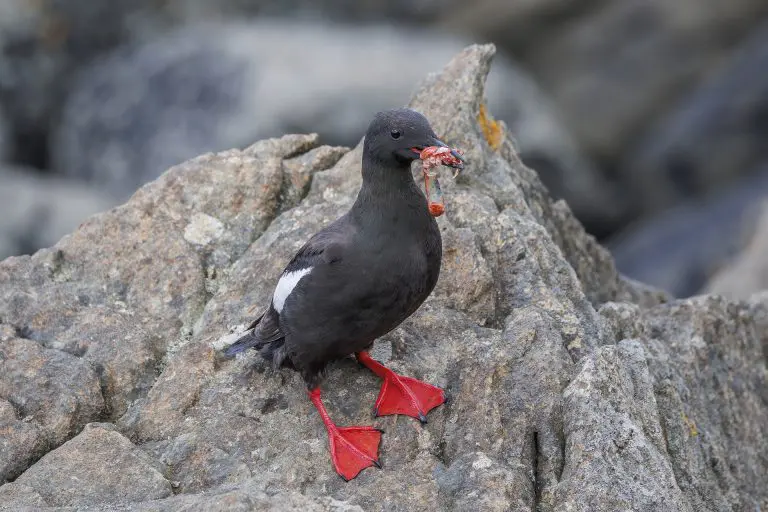 Auks
Black Guillemot
Cepphus grylle
The black guillemot, known in Scotland by its old Norse-derived name "tystie", is one of the most striking members of the auk family found…
 Songbirds
Black Redstart
Phoenicurus ochruros
The black redstart (Phoenicurus ochruros) is a sooty-grey bird with a quivering red tail.On the islandsBlack redstarts winter on rocky southern coasts and the…
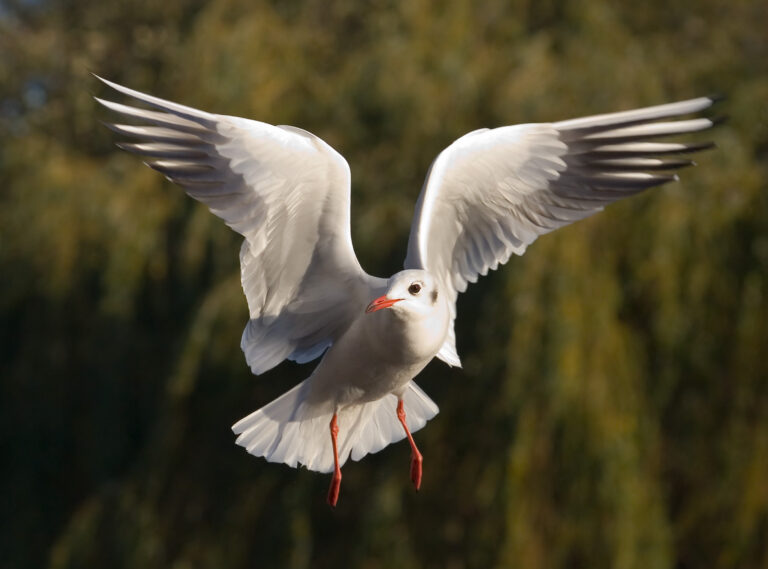 Gulls
Black-headed Gull
Chroicocephalus ridibundus
The black-headed gull (Chroicocephalus ridibundus) is a small, buoyant gull with a pale grey back, white underparts, red bill and legs, and a white…
Gulls
Black-legged kittiwake
Rissa tridactyla
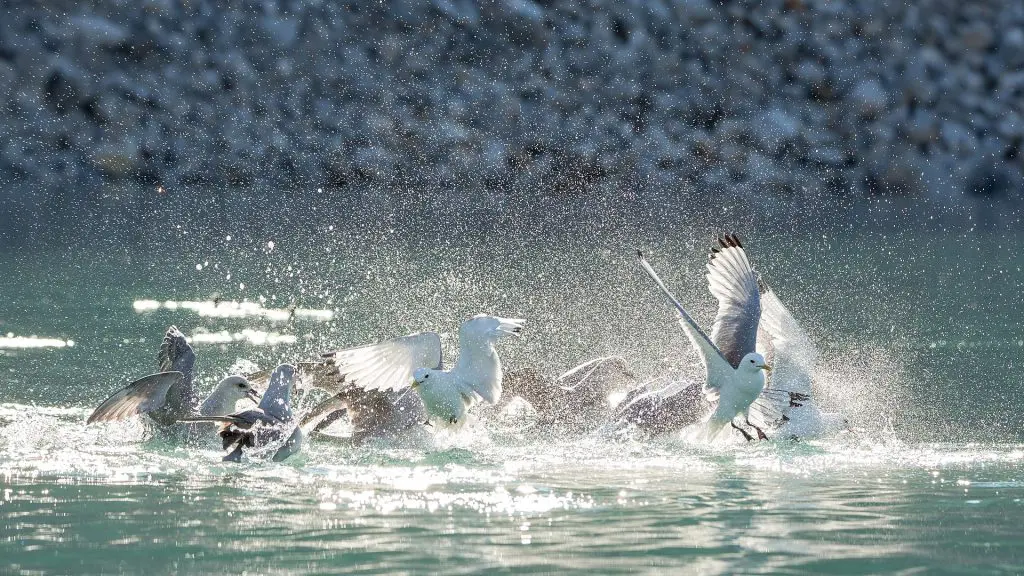
The black-legged kittiwake (Rissa tridactyla), known in Europe simply as the kittiwake, is unusual among British gulls in being named directly after the sound…
 Waders
Black-tailed Godwit
Limosa limosa
The black-tailed godwit (Limosa limosa) is a tall, elegant wader with a long, straight bill and a black and white tail and wing bar.On…
 Divers and Grebes
Black-throated Diver
Gavia arctica
The rarest diver to nest in Britain, an elegant bird of large Highland lochs and the Outer Hebrides, helped by floating nest rafts.
 Songbirds
Blackbird
Turdus merula
The blackbird (Turdus merula) is one of the most familiar birds in Britain and Ireland. The male is glossy black with a bright orange-yellow…
