

Fair Isle
Fair Isle is the southernmost of the Shetland Islands, lying roughly halfway between the south tip of the Shetland Mainland and North Ronaldsay in Orkney, in the stretch of sea known as the Fair Isle Gap. It is often described as the most remote inhabited island in the United Kingdom, and around 50 people live here. It is famous for its bird observatory, its knitting and its music, and it has been owned by the National Trust for Scotland since 1954.
Landscape
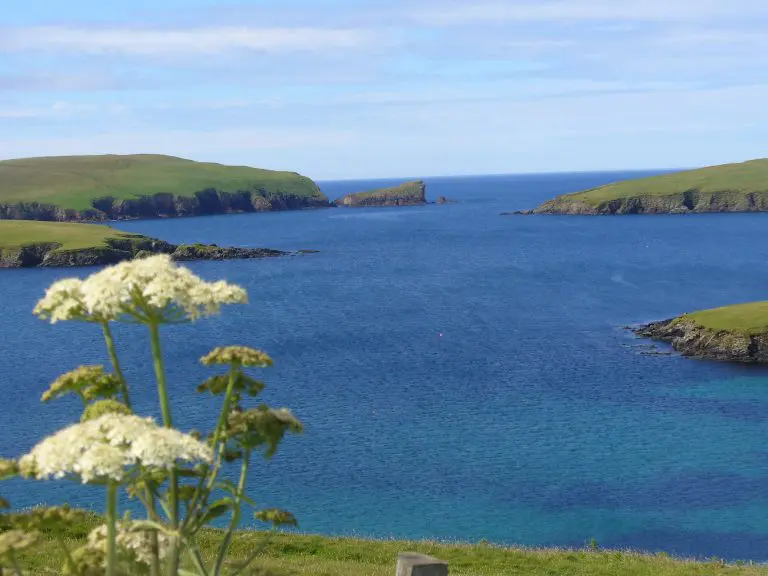
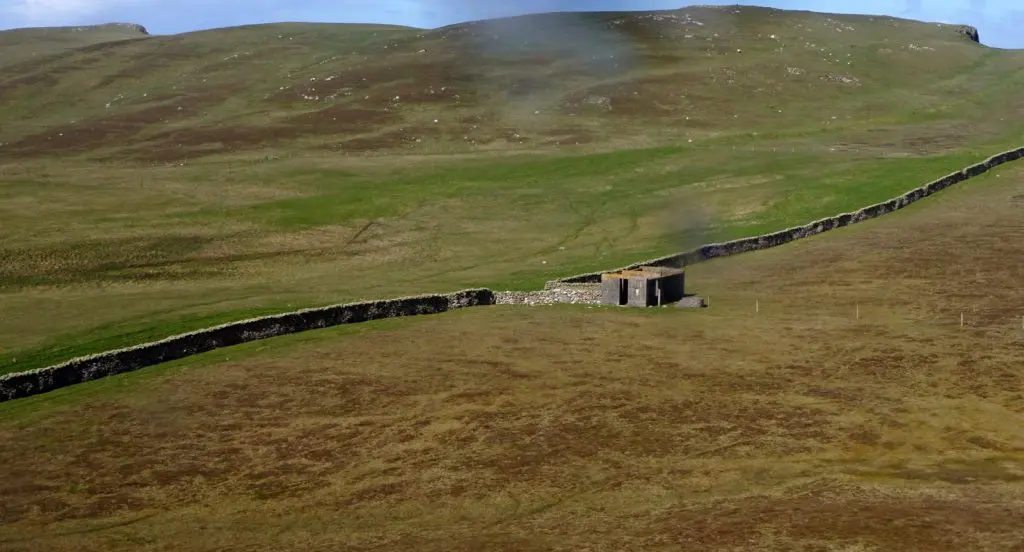
Fair Isle is about five kilometres long, with high cliffs, sea stacks and geos around its coast, rough moorland in the north and crofts in the south. Its position between the North Sea and the Atlantic makes it a famous landfall for migrating birds, and it gives its name to one of the sea areas of the BBC Shipping Forecast. There are lighthouses at both its north and south ends.
Island life

Fair Isle has been lived on since Neolithic times, despite having few raw materials, thanks to the rich fishing waters around it. There is an Iron Age promontory fort at Landberg, and most place names date from after the Norse settled here in the 9th century. On 27 September 1588 El Gran Grifón, the flagship of the Spanish Armada’s supply squadron, was wrecked at Stroms Hellier, and her 300 sailors had to live with the islanders for six weeks, straining the island’s food supplies.
Fair Isle knitting, with its colourful patterns, is known all over the world and is still made on the island today.
More about Fair Isle

Fair Isle knitting, with its colourful patterns, is known all over the world and is still made on the island today. The Fair Isle Bird Observatory has recorded an extraordinary number of rare birds, and the island even has its own subspecies of wren. Island life is close-knit and self-reliant, with crofting, fishing, crafts and music all playing a part.
Visiting
Fair Isle is reached by the island’s own ferry, the Good Shepherd, from Grutness near Sumburgh, or by small plane from Tingwall on the Shetland Mainland. Crossings and flights depend on the weather. You can collect Fair Isle as a landing or a sighting in your Island Passport.
Wildlife and area
Fair Isle is one of the best places in Europe to see migrant birds. In summer its cliffs are busy with Puffin, guillemots, Razorbill, Fulmar and Gannet, and great skuas and Arctic skuas nest on the moors. Look out for Grey Seal and Orca offshore. The nearest islands are the Shetland Mainland to the north and North Ronaldsay in Orkney to the south-west.
Tides
Now
—
Next high water
—
Next low water
—
Heights in metres relative to mean sea level; times are UK time. Not for navigation. Tide model: Open-Meteo (CC BY 4.0).
How to get to Fair Isle
You can reach Fair Isle by ferry and by air.
By ferry
The Good Shepherd IV sails between Grutness (near Sumburgh) or Lerwick, both on Mainland, and Fair Isle, alongside a scheduled air link.
By air
Plan your trip
Timetables change, so always check with the operator before you travel. We may earn a commission if you book through some of these links, at no extra cost to you.
Wildlife
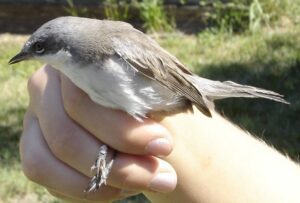
156 species recorded on the island
Highlights



All wildlife
Loading all 156 species…
Nothing on the list is usually seen this month.
Recordings from Wikimedia Commons, under Creative Commons licences; hover a Listen button for the recordist. Sightings are records shared with GBIF since 2000.
Watching wildlife responsibly. Keep your distance from seals, seabird colonies and cetaceans, stay quiet, and never feed or chase wildlife. See the Scottish Marine Wildlife Watching Code.