

Colonsay
Colonsay lies between Islay and Mull, an island about 8 miles long and up to 3 miles wide, covering around 10,070 acres. It is the ancestral home of Clan Macfie and of the Colonsay MacNeils, and at low tide a sandy causeway called The Strand links it to its smaller neighbour, Oronsay. Around 117 people live here, most of them near Scalasaig, the main village and harbour on the east coast.
Landscape
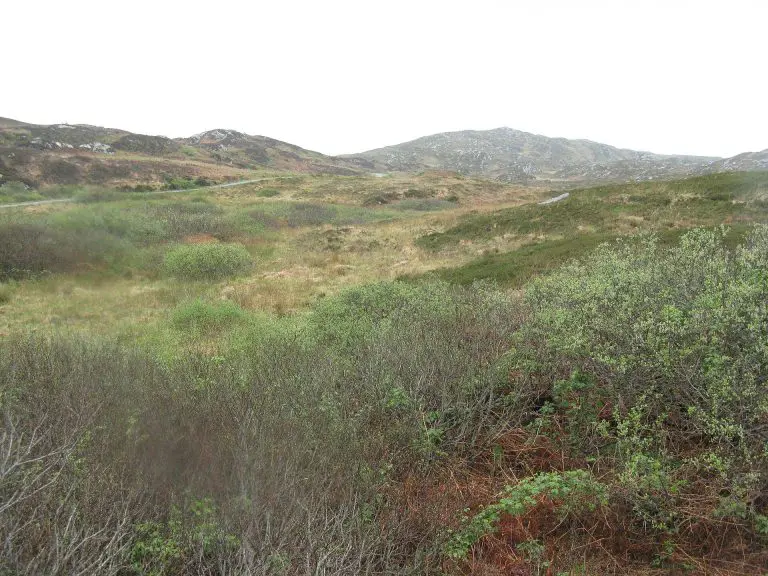
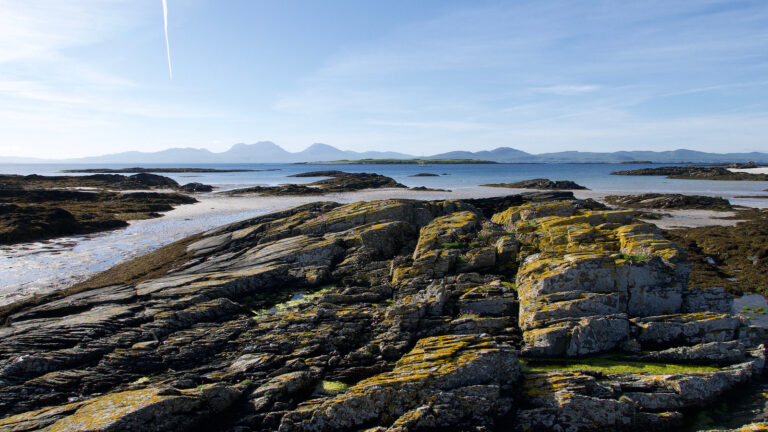
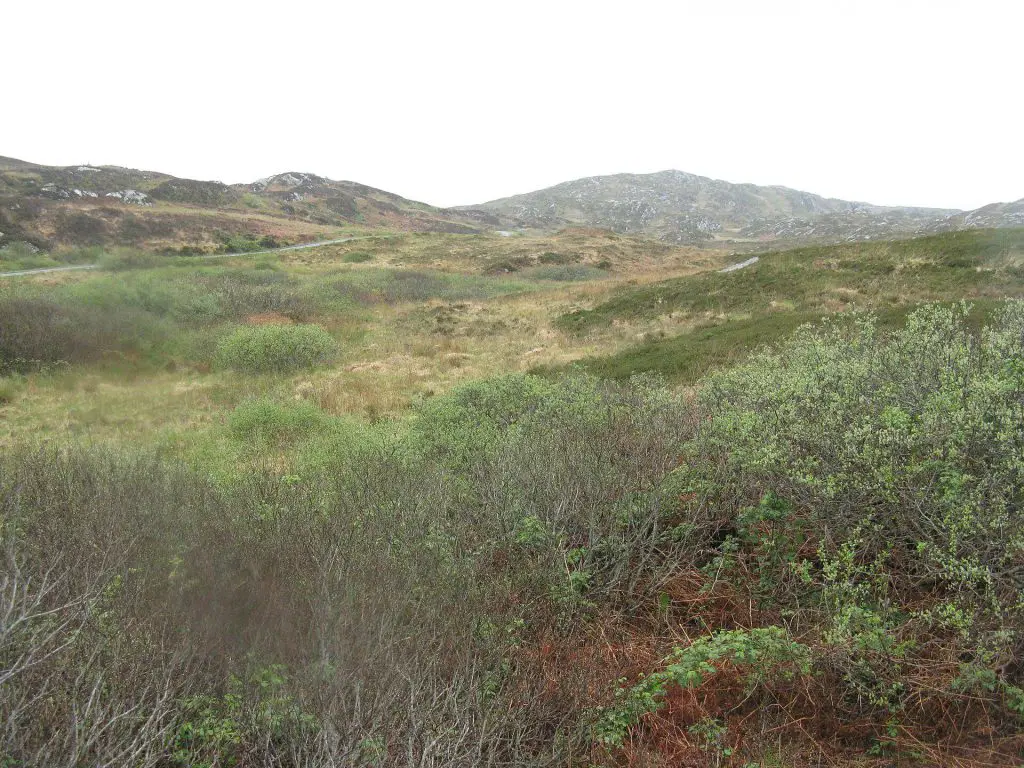
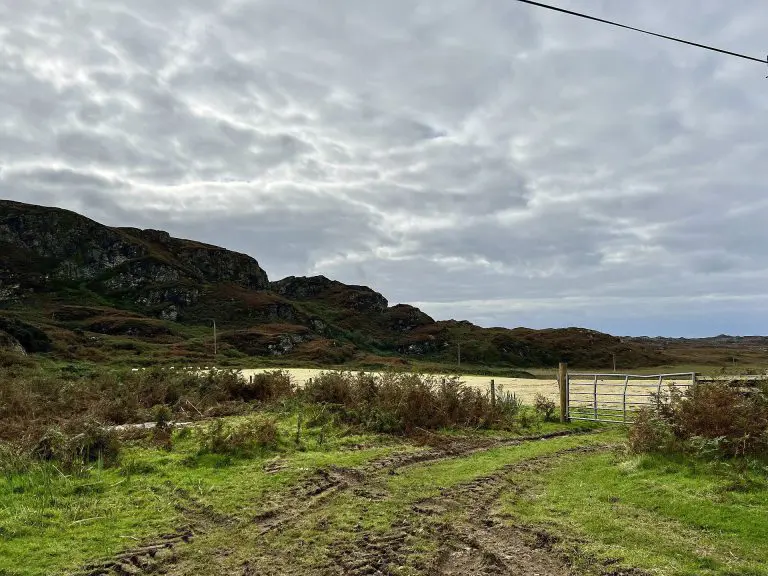
Colonsay can look bare and forbidding from the sea, but its landscape is surprisingly varied, with beautiful sandy beaches and a sheltered, fertile interior that is unusually well wooded for a Hebridean island. Its best-known beach, Kiloran Bay, is a vast sweep of golden sand. The highest point is Carnan Eoin, at 143 metres, and the island’s rocks are so distinctive that geologists named a whole sequence of ancient rocks, the Colonsay Group, after it.
Island life
Colonsay has one of the most remarkable early sites in Scotland. In 1995, archaeologists at Staosnaig found a pit holding hundreds of thousands of burnt hazelnut shells from around 8,000 years ago, evidence of large-scale nut roasting by Mesolithic people. There are ruined hill forts, an 8th-century carved cross in the gardens of Colonsay House, and a Viking grave with a boat and silver goods found at Kiloran Bay in 1882. The MacNeils built Colonsay House in 1722, and since 1904 the island has belonged to the family of the Barons Strathcona.
Crime is famously rare: in 1993 it was reported that the last recorded crime had been treachery against the king in 1623.
More about Colonsay
For a small island, Colonsay has plenty going on. It has a hotel, a café and bakery, a shop, a tiny bookshop and its own publisher, House of Lochar. The Colonsay Brewery opened in 2007, making it the smallest island in the world with its own brewery, and the island hosts its own folk festival, Ceòl Cholasa. Crime is famously rare: in 1993 it was reported that the last recorded crime had been treachery against the king in 1623. Colonsay was also the model for the “Isle of Kiloran” in the classic 1945 film I Know Where I’m Going!.
Visiting
Caledonian MacBrayne ferries sail to Colonsay from Oban, and to Kennacraig via Port Askaig on Islay, and there are flights from Oban to the island’s airstrip. Walk across The Strand to Oronsay at low tide, but check the tide times carefully first. You can collect Colonsay as a landing or a sighting in your Island Passport.
Wildlife and area
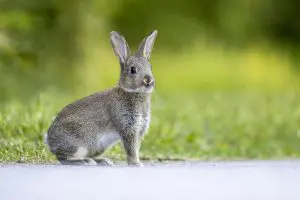
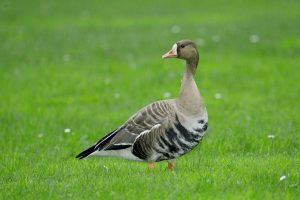
Colonsay’s mix of woods, beaches and moorland makes it a great place for wildlife. Look out for Chough, Corncrake, Sea Eagle and Golden Eagle, and for Grey Seal and Eurasian Otter along the shore. Other islands nearby include Oronsay, Jura and Islay.
Tides
Now
—
Next high water
—
Next low water
—
Heights in metres relative to mean sea level; times are UK time. Not for navigation. Tide model: Open-Meteo (CC BY 4.0).
How to get to Colonsay
You can reach Colonsay by ferry and by air.
By ferry
CalMac sails from Oban to Scalasaig a few times a week, making Colonsay one of the less frequently served islands on the network.
By air
Hebridean Air Services flies scheduled routes from Oban to Colonsay’s small airstrip, alongside its neighbouring route to Coll.
Plan your trip
Timetables change, so always check with the operator before you travel. We may earn a commission if you book through some of these links, at no extra cost to you.
Wildlife
117 species recorded on the island
Highlights


All wildlife
Loading all 117 species…
Nothing on the list is usually seen this month.
Recordings from Wikimedia Commons, under Creative Commons licences; hover a Listen button for the recordist. Sightings are records shared with GBIF since 2000.
Watching wildlife responsibly. Keep your distance from seals, seabird colonies and cetaceans, stay quiet, and never feed or chase wildlife. See the Scottish Marine Wildlife Watching Code.