

Hares and Rabbits
3 species on the islands
Hares and rabbits have had a big influence on the islands, though only one of them is truly native to Britain and Ireland.
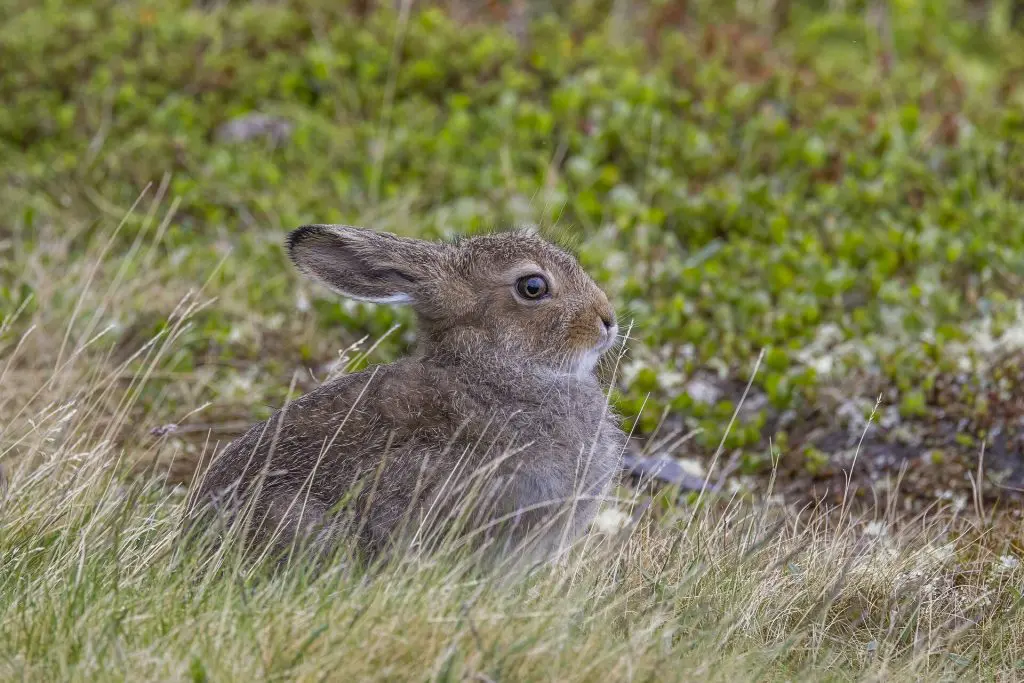
The mountain hare

The Mountain Hare is the native hare of Britain, living on the moors and mountains of the Scottish Highlands, where it turns white in winter to match the snow. The Irish hare, which is its own subspecies and stays brown all year, lives across Ireland, from the lowlands to the mountains. Mountain hares were introduced to some islands, such as Hoy, and to parts of England and Wales.
The brown hare
The Brown Hare, larger and with long, black-tipped ears, was probably introduced to Britain in Roman times. It lives on farmland and grassland, and in spring the famous ‘mad March hares’ box each other, usually a female fending off an over-keen male.
The European Rabbit was brought to Britain by the Normans in the twelfth century, and was valued for its meat and fur.
The rabbit
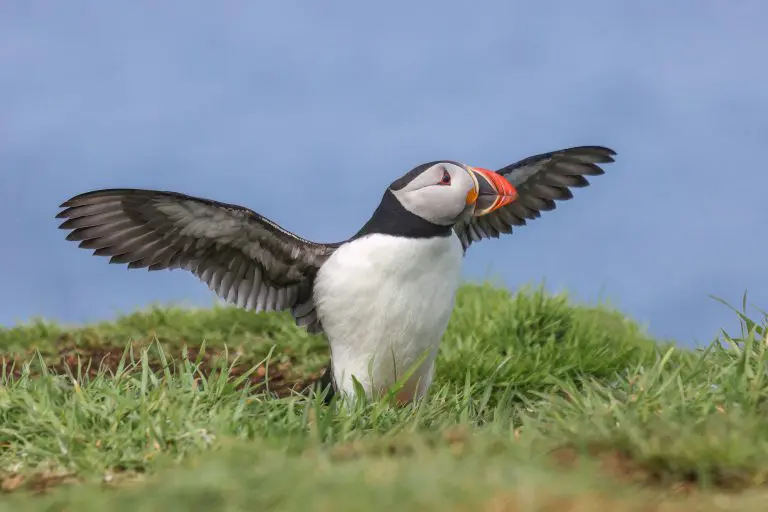
The European Rabbit was brought to Britain by the Normans in the twelfth century, and was valued for its meat and fur. Rabbits were often kept on islands in managed warrens, as islands were easy to guard, and many islands, from Lundy to Skomer, still have them. Their burrows and grazing shape the clifftop turf where puffins and Manx shearwaters nest, and puffins often take over old rabbit burrows.
Disease and decline
Myxomatosis, which arrived in the 1950s, killed most of Britain’s rabbits, and a new disease has hit rabbits and hares again in recent years. On some islands, rabbits have been removed to protect plants and nesting birds, while on others their grazing is important for keeping the turf short.
Hares and folklore
Hares have a rich place in folklore. They were linked with the moon and with spring, were said to be witches in disguise, and in Celtic tradition the hare was a sacred animal. Their boxing in spring, their sudden bursts of speed and their habit of lying still in a shallow scrape, called a form, rather than a burrow have made them a symbol of the wild countryside.
Rabbits and island plants

Rabbits graze turf short, which helps some flowers, seabirds and choughs, but too many rabbits can strip vegetation and cause erosion on small islands. On islands where rabbits have died out or been removed, the turf grows long, which can help some plants but make life harder for burrowing seabirds and choughs.
Every species: Hares and Rabbits
3 Hares and Rabbits
Brown Hare
Lepus europaeus
The brown hare (Lepus europaeus), also known as the European hare, is the larger and more widespread of Britain's two hare species, a long-legged,…
 Hares and Rabbits
European Rabbit
Oryctolagus cuniculus
The European rabbit (Oryctolagus cuniculus), also known as the coney, is native only to the Iberian Peninsula and southwestern France, yet has been introduced…
Hares and Rabbits
Mountain Hare
Lepus timidus
The mountain hare (Lepus timidus), also known as the blue hare or, in Ireland, the Irish hare, is the only hare truly native to…
