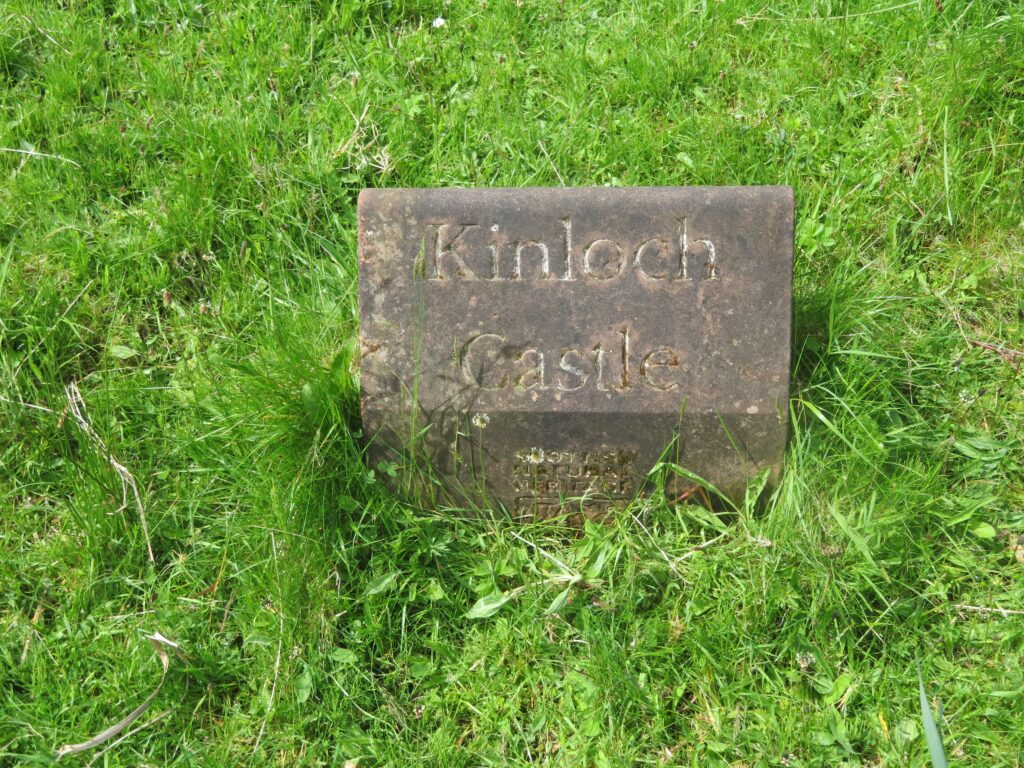

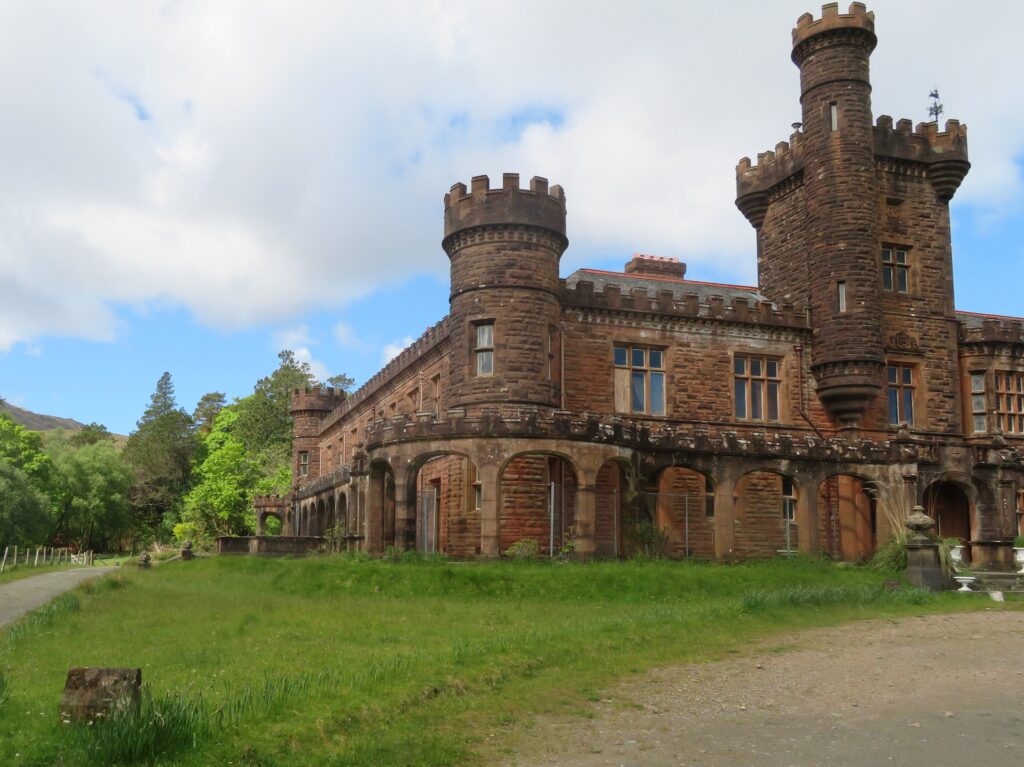
Kinloch Castle
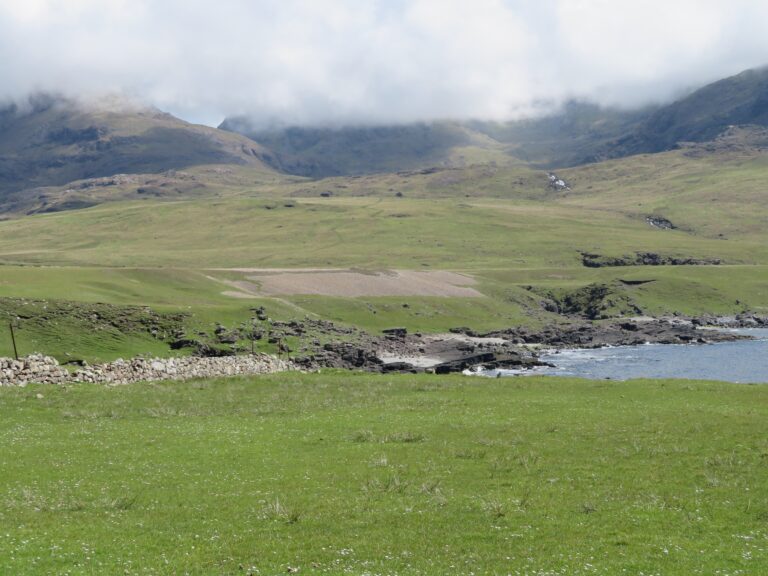
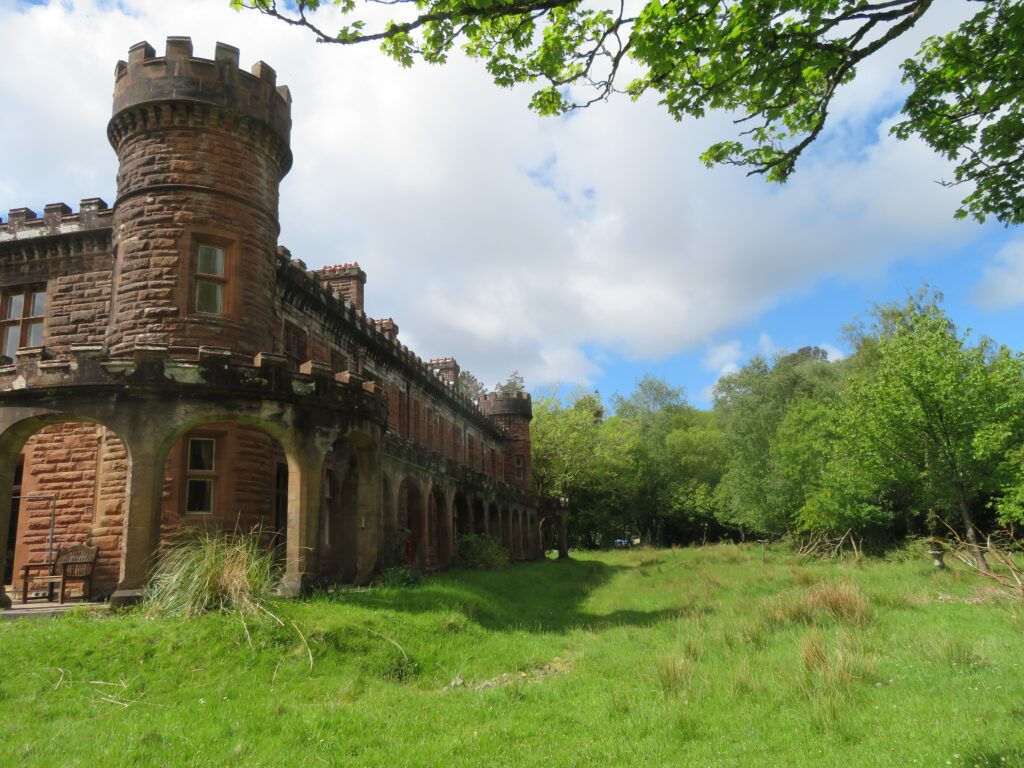
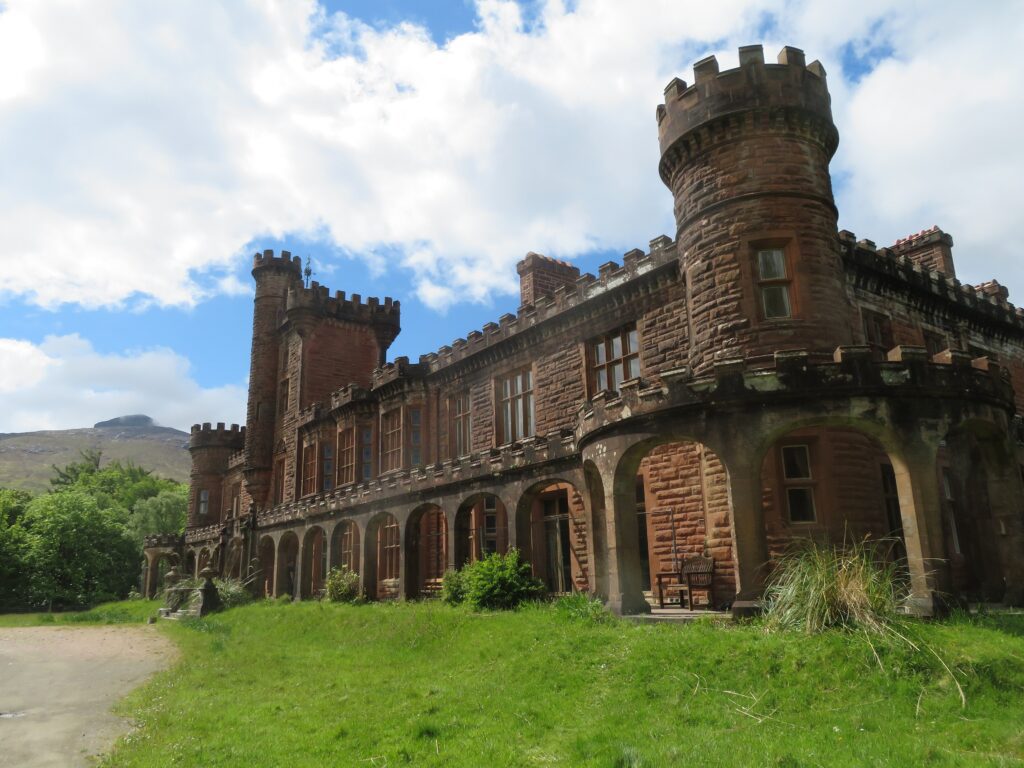
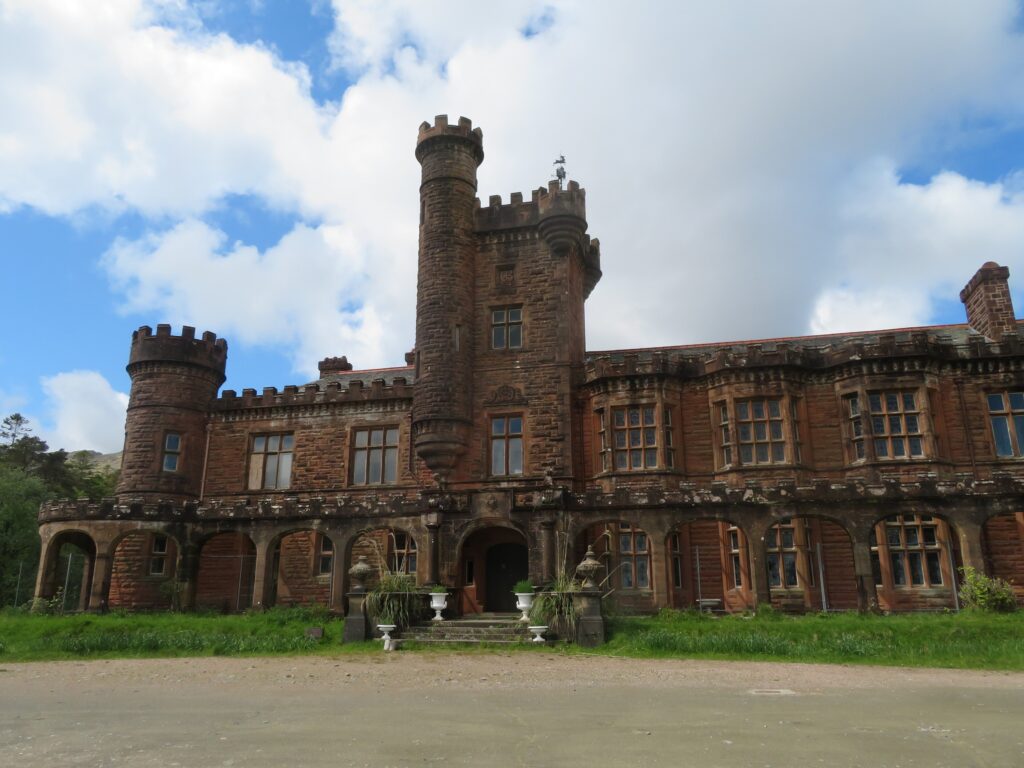
Kinloch Castle stands at the head of Loch Scresort, beside the small settlement of Kinloch on Rùm, the largest of the Small Isles. Built of red sandstone in a castellated Tudor style, this extravagant Edwardian mansion seems wildly out of place on a remote, mountainous island, and it is one of the most extraordinary country houses in Scotland, a time capsule of the lifestyle of the very rich at the turn of the twentieth century.
Before the castle

In the early nineteenth century Rùm was owned by the Macleans of Coll. When the price of kelp collapsed after the Napoleonic Wars, the island was turned over to sheep, and between 1826 and 1828 its entire population of more than four hundred people was cleared, many emigrating to Cape Breton in Canada. In 1845 the island was sold to the 2nd Marquess of Salisbury, who reintroduced red deer and made it a sporting estate.
The Bulloughs
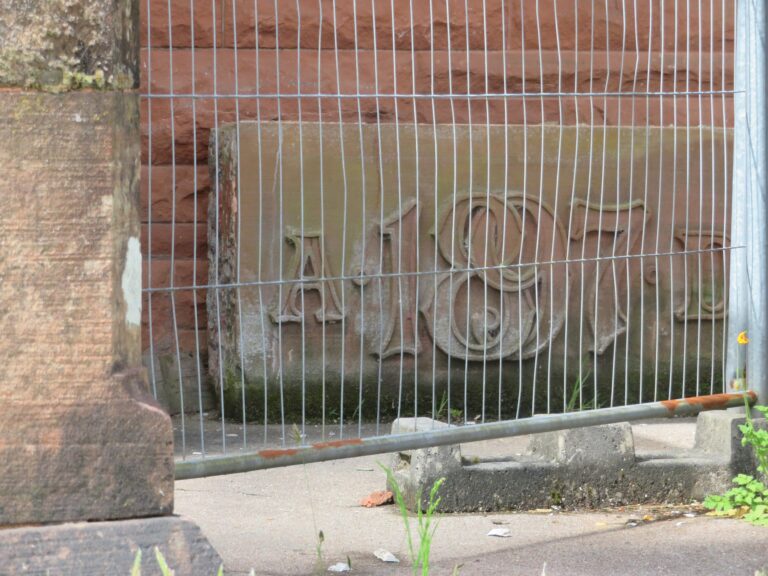
From 1879 the shooting was leased by John Bullough, a wealthy Lancashire textile machinery manufacturer, who bought the island in 1888. When he died in 1891, his son George inherited Rùm and set about building a luxurious new house. Work began in 1897, employing some three hundred men from Eigg and Lancashire, and the red sandstone was shipped in from Annan in Dumfries and Galloway. The house was completed in 1900 at a cost of around £250,000, an immense sum.

Kinloch Castle was remarkably modern. It had its own electricity supply, central heating, plumbing and telephones, and in the hall stood a German-made orchestrion, a mechanical organ that could imitate a whole band. The grounds included a Japanese garden, a water garden, a bowling green and a golf course, laid out with topsoil brought from Ayrshire, and glasshouses that for a time housed alligators. During the Boer War Bullough lent his yacht Rhouma as a hospital ship, and he was knighted in 1901.
Sir George and his friends came to Rùm for the shooting season each year, but after the First World War their visits became rarer and the estate declined. He died in 1939 and lies with his father and his wife Monica in a mausoleum in the form of a Greek temple at Harris Bay, on the island’s west coast.
Public ownership
In 1957 Rùm was sold to the Nature Conservancy and became a National Nature Reserve, in line with Lady Bullough’s wishes. It is now owned by NatureScot. The castle, a Category A listed building, featured in the BBC’s Restoration series in 2003, but plans to restore it have not yet succeeded, and its future remains uncertain. A hostel in part of the building closed in 2015, and the Kinloch Castle Friends’ Association has worked since 1996 to secure its future.
Visiting
Rùm is reached by CalMac ferry from Mallaig. Tours of the castle have been run when possible, timed to fit the ferries, showing the original furniture, the orchestrion and gifts from the Emperor of Japan. It is worth checking locally for current arrangements.
Wildlife
Rùm is famous for its red deer, which have been studied here for decades, and its mountains hold a huge colony of Manx shearwaters. White-tailed eagles were first reintroduced to Scotland on Rùm in 1975, and otters and seals live along the shores of Loch Scresort.
About island castles
All castles →For centuries islands were not remote but at the centre of things, on the sea roads that carried kings, clans and armies, and many were guarded by castles. Here you will find the castles on the islands we cover, from the strongholds of the Lords of the Isles and the tower houses of Highland clans…