
Kilmory (Rùm)
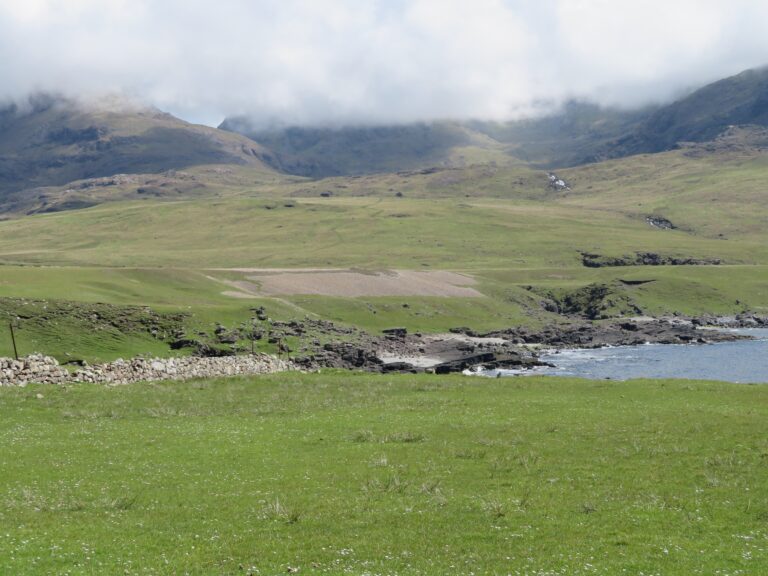
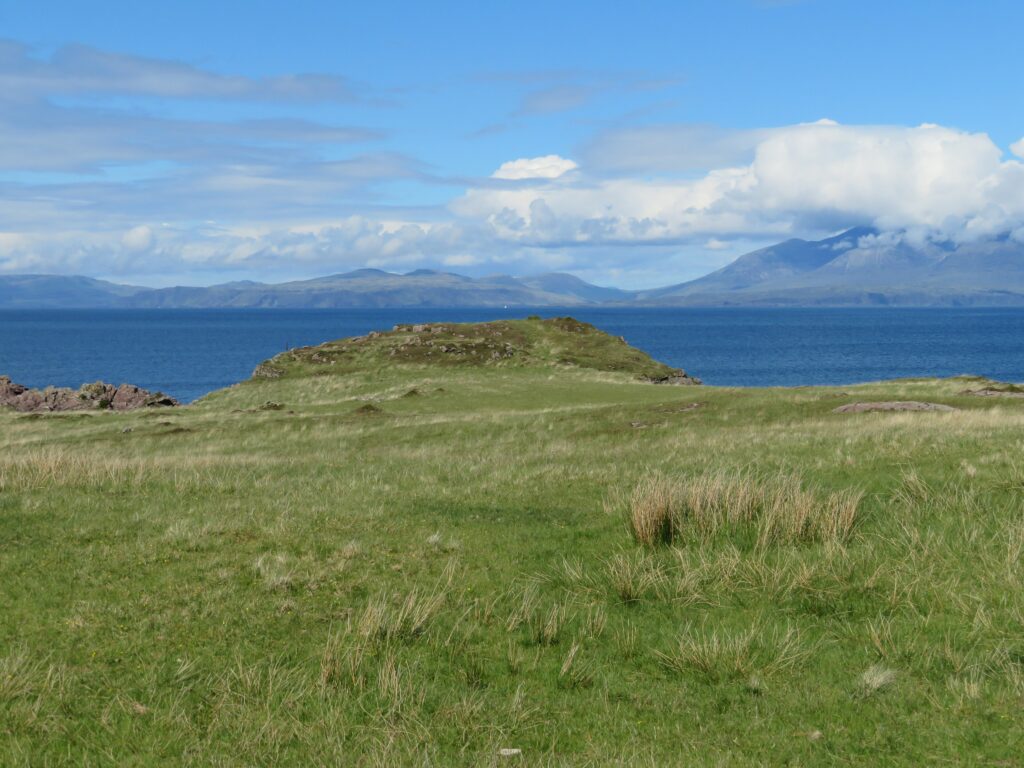
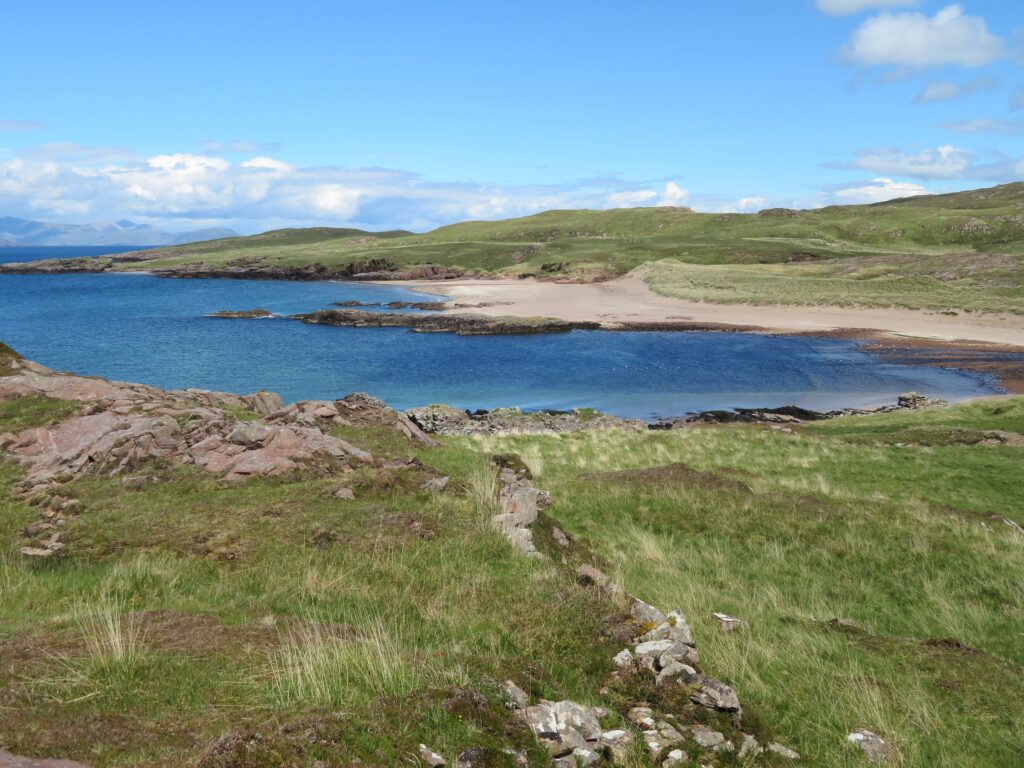
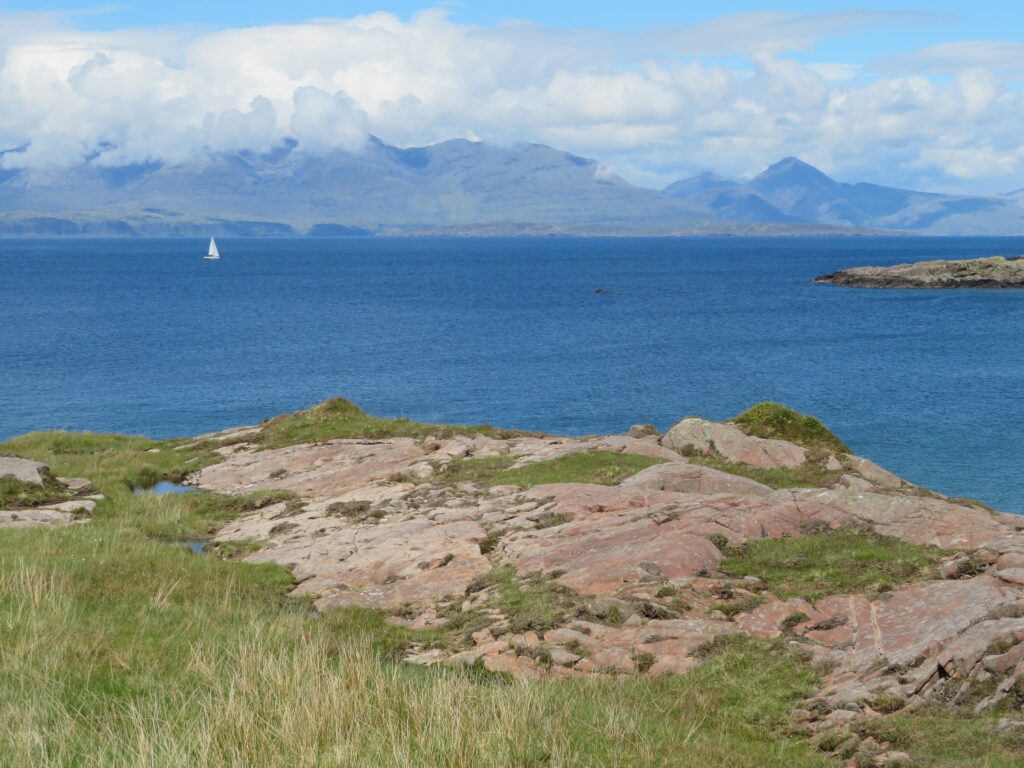
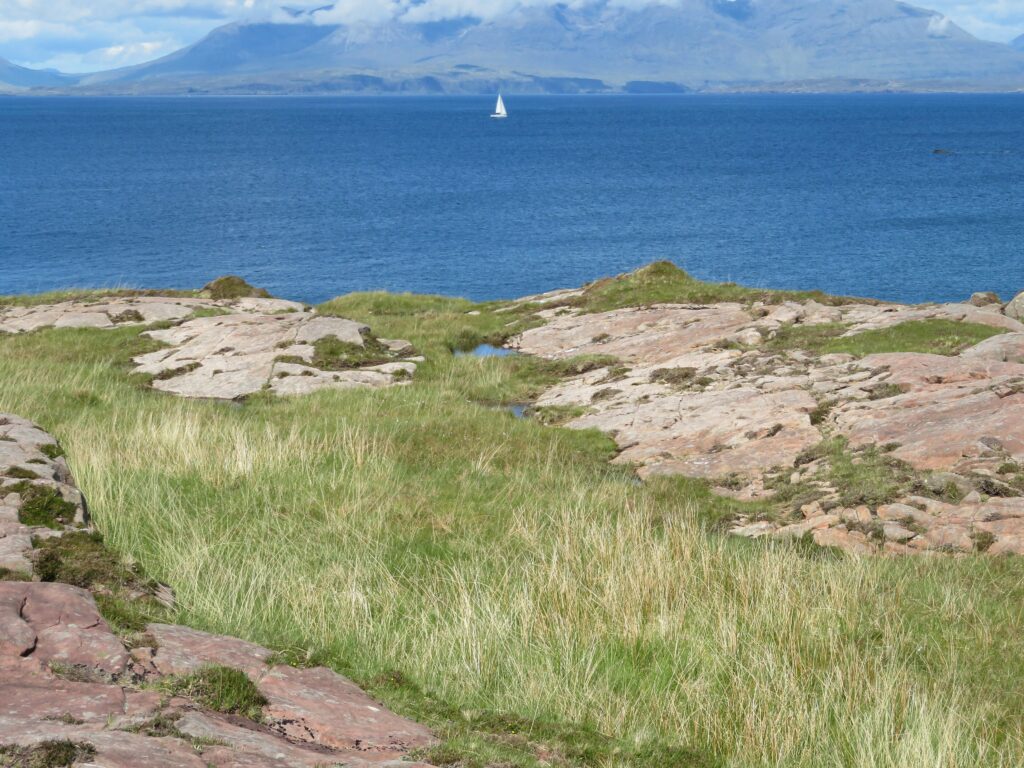
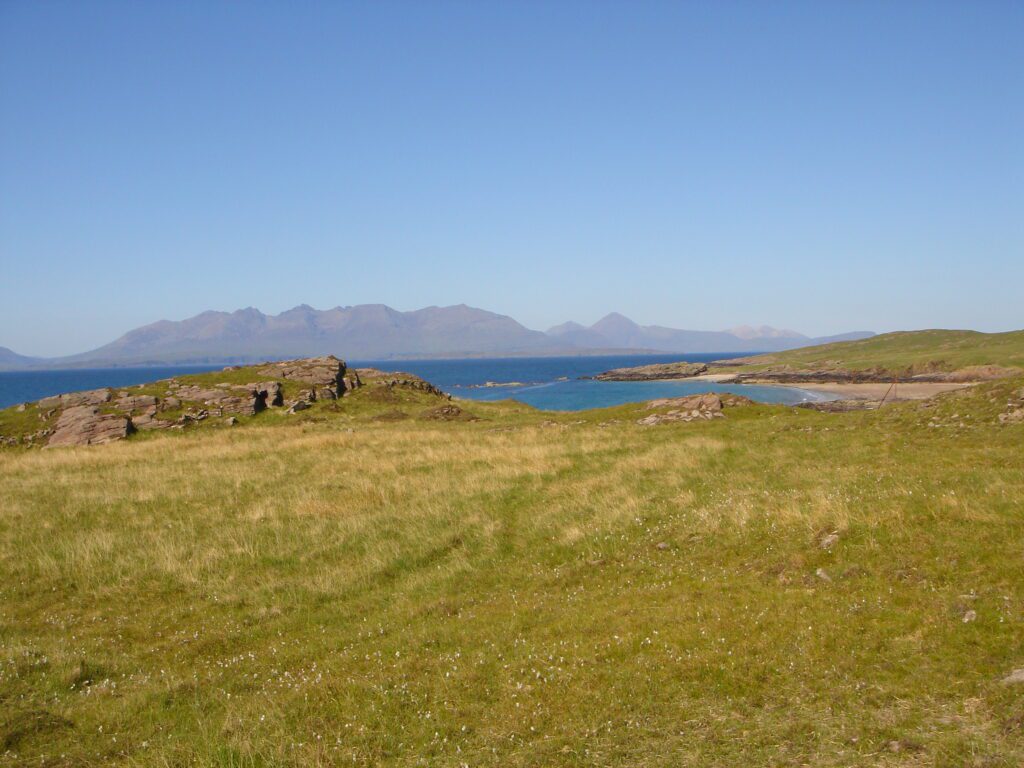
Kilmory is a deserted village on the north coast of Rùm, in a wide glen that opens onto a sandy bay. Today it is best known as the base for one of the longest-running studies of wild animals in the world, the research on the red deer of Rùm.
History
Kilmory was one of the townships cleared between 1826 and 1828, when the people of Rùm were removed and sent to Nova Scotia. An old burial ground with gravestones survives above the bay; one stone of 1843 is the earliest known use of the spelling Rhum, later made official by the Bullough family. Since the 1950s scientists have studied the red deer of the Kilmory glen, recording the lives of individual animals over generations, research that has transformed understanding of animal behaviour and evolution.
Visiting

A track of about nine kilometres leads across the island from Kinloch to Kilmory. The bay has a fine beach, the deer can be watched grazing on the shore, and seals and otters are often seen. Visitors are asked not to disturb the deer or the research.
About island abandoned villages
All abandoned villages →All over the islands of Britain and Ireland stand the roofless houses, overgrown fields and empty streets of villages whose people left. Some were cleared by landlords to make way for sheep, some emptied slowly as the young went to find work, and some, like St Kilda, were evacuated when life became too hard to…