Gilstone
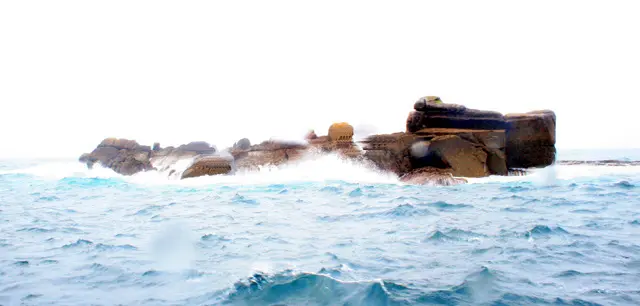
Gilstone, also called the Outer Gilstone to tell it apart from a smaller rock of the same name off St Mary’s, is a reef in the Western Rocks of the Isles of Scilly. It is notorious as the scene of the 1707 naval disaster, one of the worst in British history.
Landscape
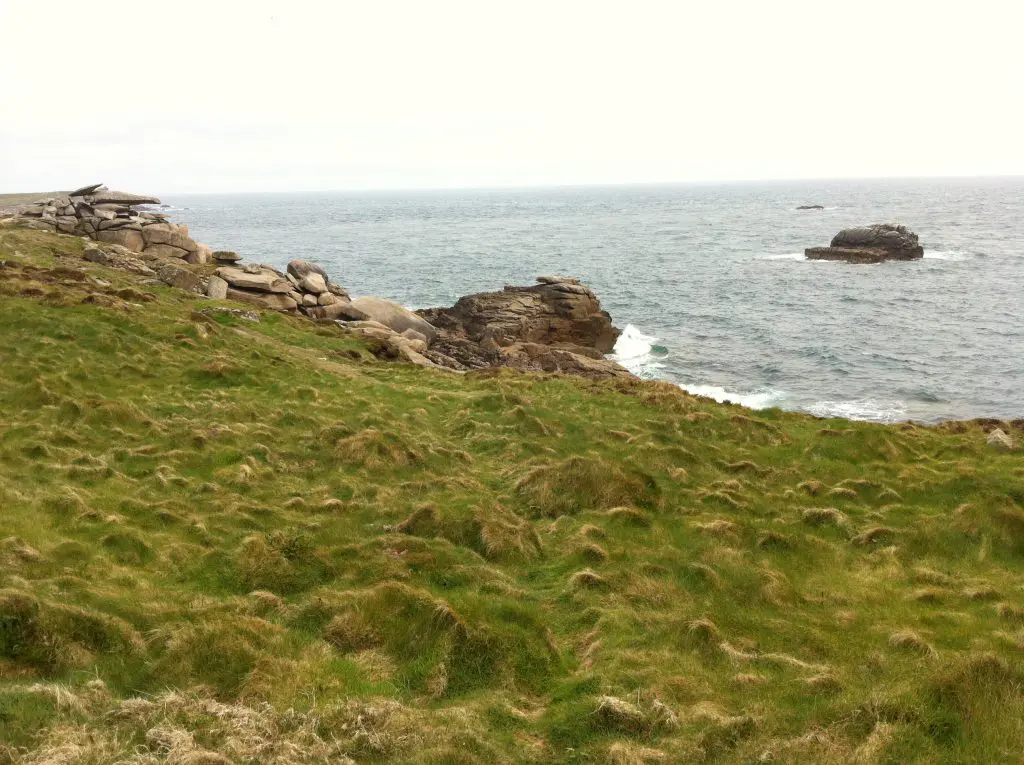
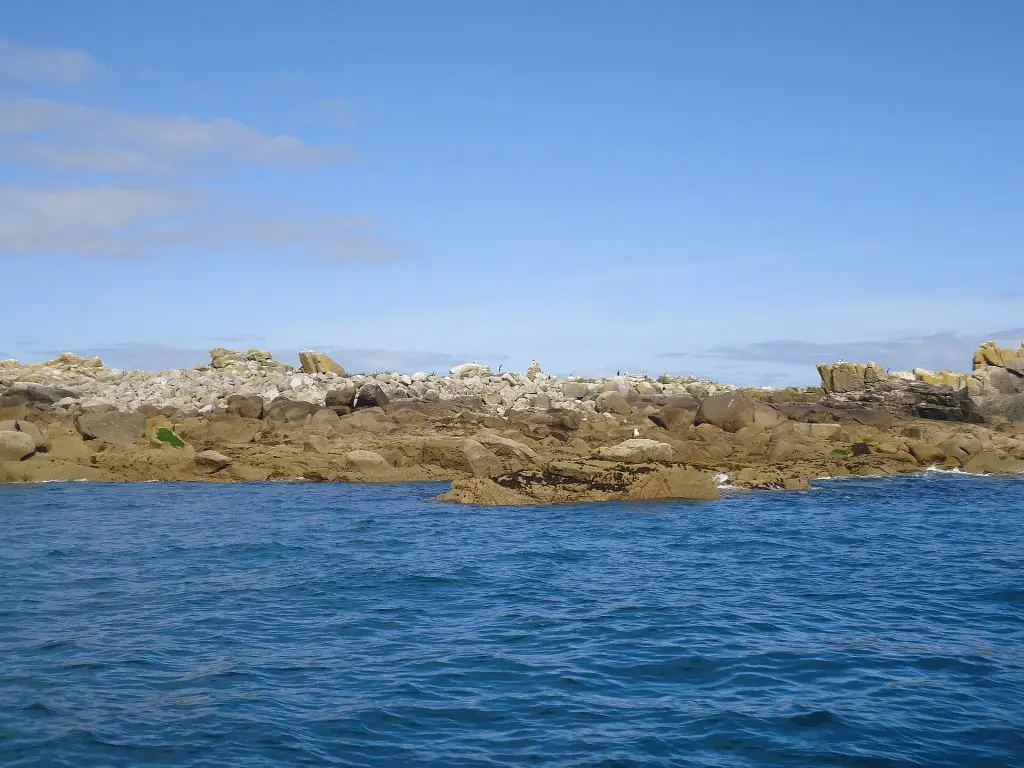
The rock is low and barely breaks the surface at high water, lying east of the Bishop Rock among the outer ledges. The Western Rocks are the scatter of granite islets and reefs at the south-western end of the Isles of Scilly, beyond St Agnes and Annet, in the full path of the Atlantic swell. They have wrecked more ships than almost any other stretch of the British coast, and the Bishop Rock lighthouse was built at their outer edge to warn ships away.
History

On the night of 22 October 1707, returning from the Mediterranean, Admiral Sir Cloudesley Shovell’s fleet ran onto the Western Rocks in bad weather. His flagship HMS Association struck the Gilstone and sank within minutes, and three other ships were lost; somewhere between 1,400 and 2,000 sailors died. The disaster, blamed on the fleet’s inability to fix its position, helped lead to the Longitude Act of 1714 and the long search for a way of measuring longitude at sea. The wreck of the Association was found by divers in 1967.
On the night of 22 October 1707, returning from the Mediterranean, Admiral Sir Cloudesley Shovell’s fleet ran onto the Western Rocks in bad weather.
Visiting
There is no landing on the Western Rocks. Seabird and seal-watching trips from St Mary’s and St Agnes run out among them in calm summer weather, and trips to the Bishop Rock pass close by. You can collect Gilstone as a sighting in your Island Passport.
Wildlife and area

The rocks hold breeding shags, storm petrels and great black-backed gulls, and grey seals haul out and pup on the ledges in autumn. Nearby islands include Melledgan, Great Crebawethan and Little Crebawethan.
Tides
Now
—
Next high water
—
Next low water
—
Heights in metres relative to mean sea level; times are UK time. Not for navigation. Tide model: Open-Meteo (CC BY 4.0).
Wildlife
4 species recorded on the island
Highlights


All wildlife
Loading all 4 species…
Nothing on the list is usually seen this month.
Recordings from Wikimedia Commons, under Creative Commons licences; hover a Listen button for the recordist. Sightings are records shared with GBIF since 2000.
Watching wildlife responsibly. Keep your distance from seals, seabird colonies and cetaceans, stay quiet, and never feed or chase wildlife. See the WiSe Scheme guidance for watching marine wildlife.