
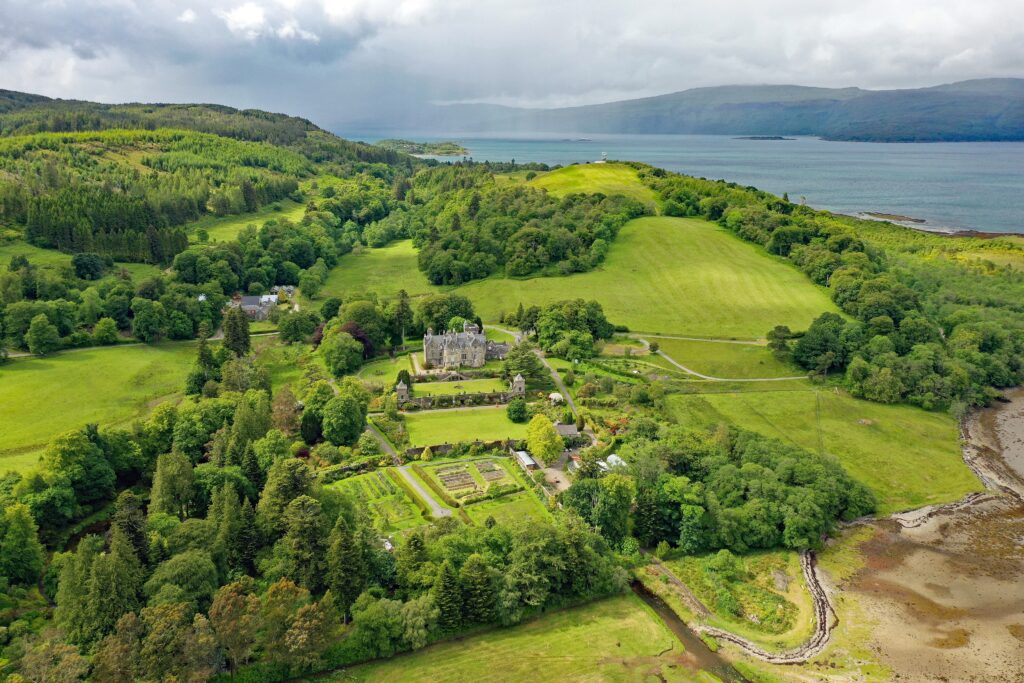

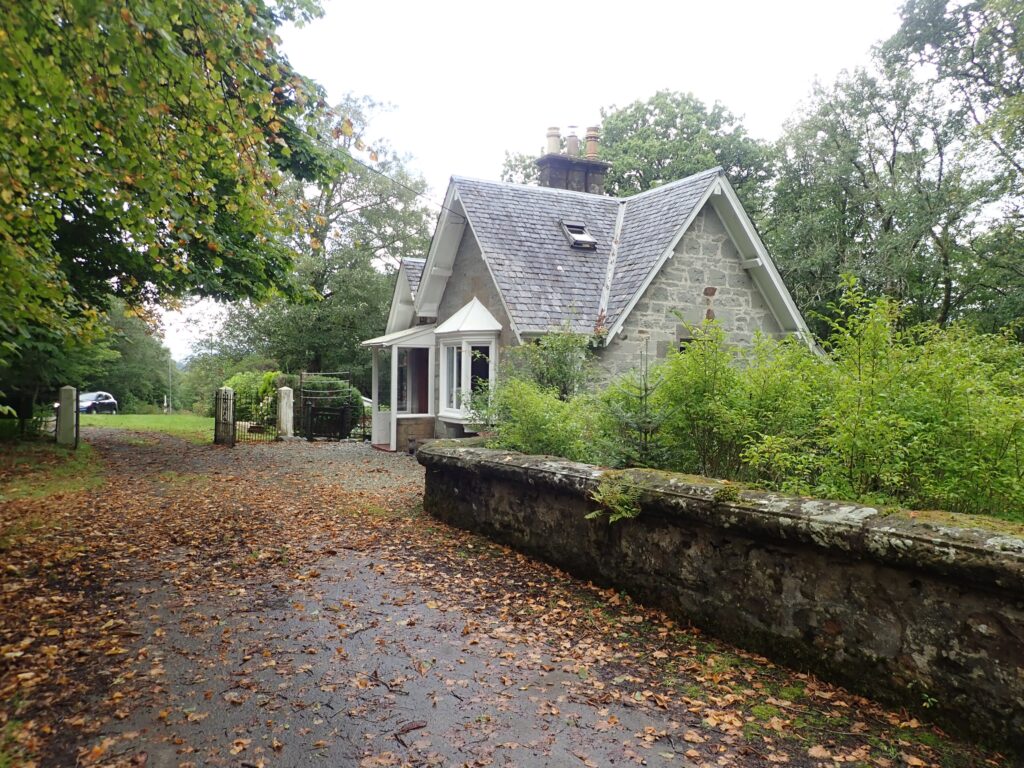

Torosay Castle
Torosay Castle is a large Victorian country house set in gardens about a mile and a half south of Craignure, on the east coast of the Isle of Mull. Built in the Scottish baronial style, it looks out over Duart Bay towards Duart Castle and the Sound of Mull, and for many years its gardens, with their Italian statues and formal terraces, were one of the best-known visitor attractions on the island.
History
The house was built for the Campbells of Possil. In the 1850s John Campbell inherited the estate, demolished the existing Georgian house and commissioned the Edinburgh architect David Bryce, the leading designer of Scottish baronial houses, to build something much grander. The new house, completed in 1858, was originally called Duart House; it was later renamed Torosay, after the parish, to avoid confusion with Duart Castle nearby.
In 1865 the estate was sold to Arbuthnot Charles Guthrie, and it remained with the Guthrie family for well over a century. After Guthrie Castle in Angus left the family, Torosay came to be regarded as the seat of Clan Guthrie.
Guests and gardens
Torosay is surrounded by about twelve acres of gardens, including formal terraces laid out around the start of the twentieth century and attributed to the architect Sir Robert Lorimer. The gardens’ Statue Walk is lined with nineteen statues in the style of the Italian sculptor Antonio Bonazza. They were bought by Walter Murray Guthrie from a derelict garden near Milan and shipped to Scotland, according to the family story, for next to nothing as ballast in a cargo ship.
In the 1930s the house was visited by Winston Churchill, whose aunt by marriage was Olive Guthrie, and by King George II of Greece. The novelist Angela du Maurier, sister of Daphne du Maurier, spent time at Torosay with her friend Olive Guthrie and dedicated her novel Weep No More to ‘Olive Guthrie of Torosay’.
Recent years
For many years Torosay Castle and its gardens were open to the public. They were linked to the ferry terminal at Craignure by the Isle of Mull Railway, a narrow-gauge line that carried visitors through the woods to the castle, the only passenger railway on a Scottish island. In 2012 the castle was sold by Christopher Guthrie-James, the fifth laird, who said that the family felt relief rather than regret at the sale. The house was renovated by its new owners and has been a private family home since 2013, and it is no longer open to visitors. The house and gardens are listed buildings.
Seeing the castle
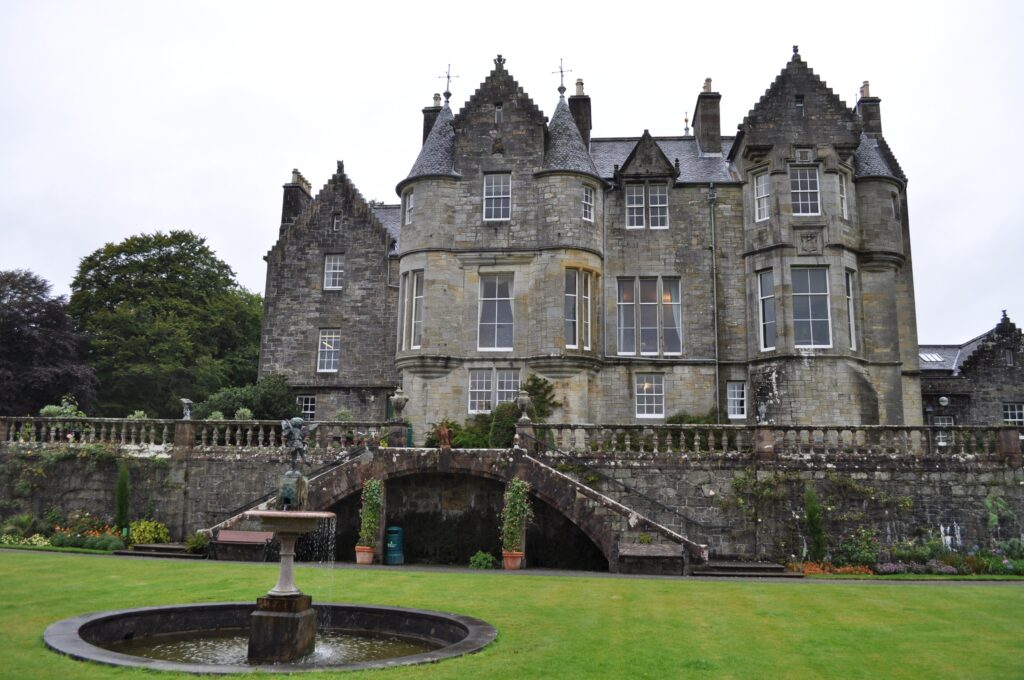
Torosay can be glimpsed from the road south of Craignure, and from the ferries crossing between Oban and Craignure, which pass close to Duart Point. Duart Castle, the ancient seat of the Macleans, stands on its headland a short distance away and is open to visitors in summer. Craignure is the main ferry port of Mull, and from here roads lead north to Tobermory and west to Iona.
Wildlife
Duart Bay and the Sound of Mull are good for seals, otters and seabirds, and white-tailed eagles are often seen hunting over the water.

About island castles
All castles →For centuries islands were not remote but at the centre of things, on the sea roads that carried kings, clans and armies, and many were guarded by castles. Here you will find the castles on the islands we cover, from the strongholds of the Lords of the Isles and the tower houses of Highland clans…


