

Muckle Flugga
Island Passport
Collect Muckle Flugga
Be the first to collect it
This island is a protected nature reserve, so only sightings are stamped. Please do not land.
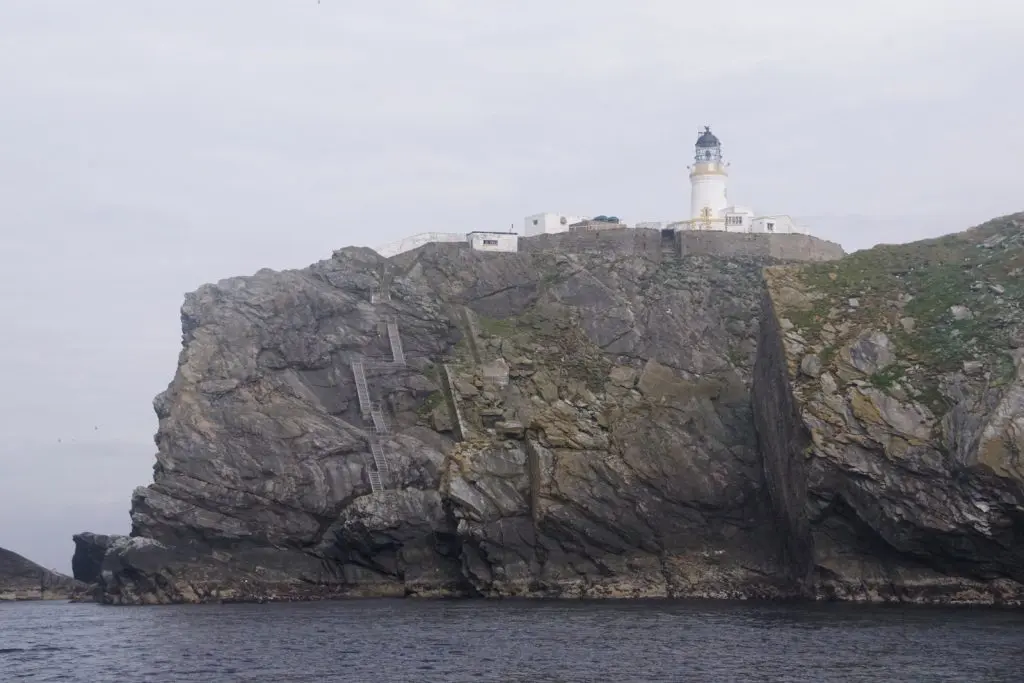
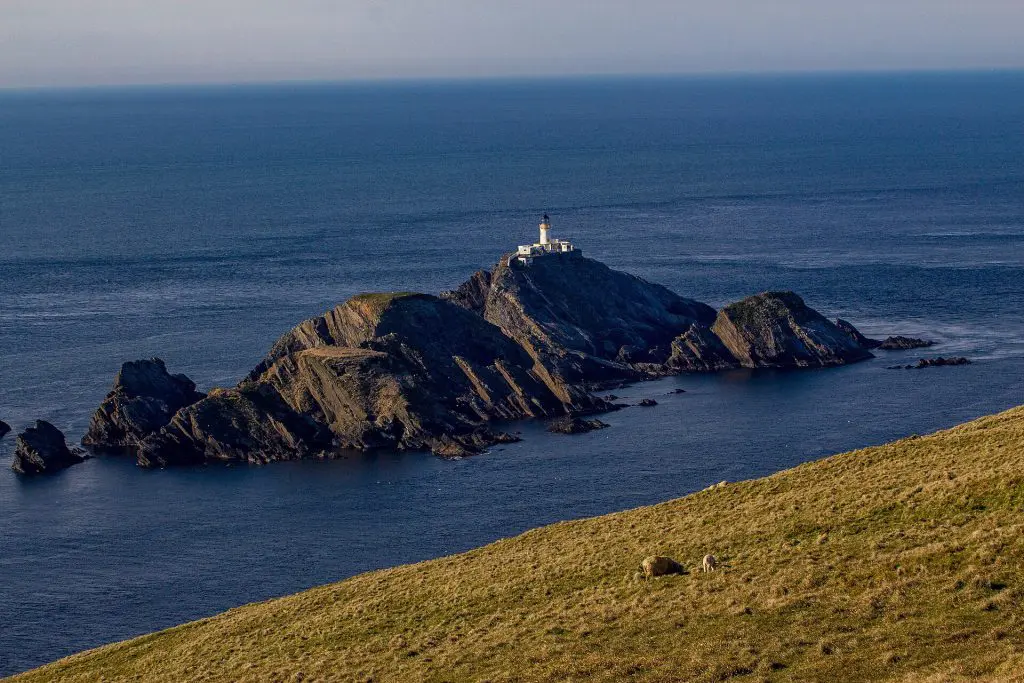
Muckle Flugga is a small, rocky island of around six acres north of Unst in Shetland. It is the most northerly hill in Scotland and is often described as the northernmost point of the British Isles, although the tiny islet of Out Stack is in fact a little further north. Its lighthouse, built in the 1850s, stands on the summit, battered by some of the wildest seas in Britain.
Landscape
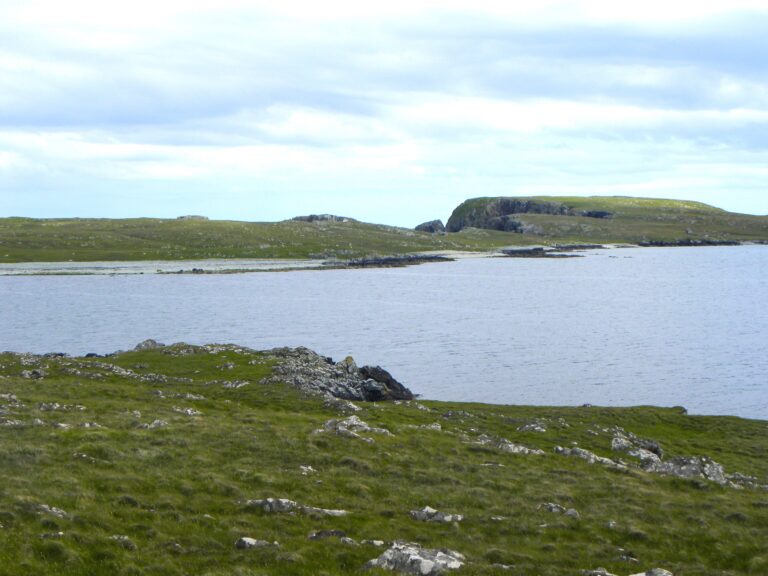
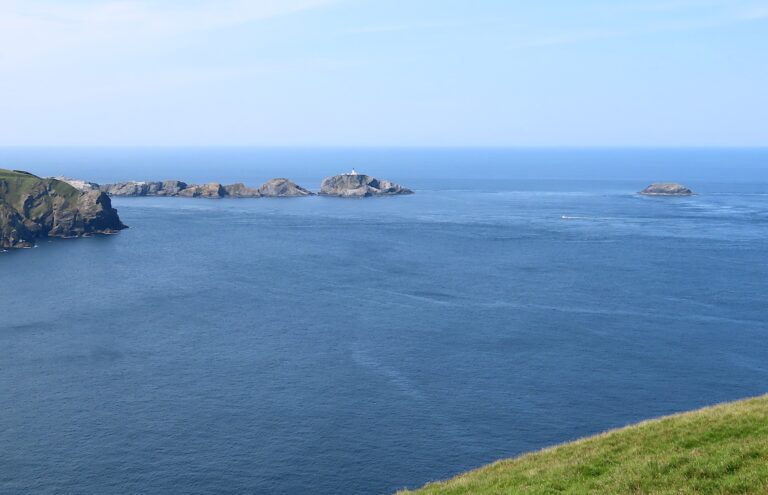
Muckle Flugga is a jagged rock rising steeply from the sea off the cliffs of Hermaness, Unst’s great seabird reserve. Its name, like that of neighbouring Little Flugga, comes from the Old Norse Flugey, “cliff island”, and it has often appeared on lists of unusual place names. Out Stack lies just to the north-east, the very last speck of land before the Arctic.
History

Muckle Flugga Lighthouse was built in the 1850s by the Stevenson brothers, Thomas and David, in extraordinarily difficult conditions, with storms sending waves over the rock. Robert Louis Stevenson visited in 1869, and the island is sometimes said to have inspired the map in Treasure Island. For more than a century Muckle Flugga was the most northerly inhabited place in Britain, home to the lighthouse keepers, until the light was automated in 1995 and they left, passing that title to Unst.
A novel set on the island, Muckle Flugga, by Michael Pedersen, was published in 2025.
More about Muckle Flugga
Local folklore says that Muckle Flugga and Out Stack were formed when two giants, Herman and Saxa, fell in love with the same mermaid and fought over her by hurling rocks at each other. To be rid of them, the mermaid offered to marry whichever would follow her to the North Pole, and both drowned, as neither could swim. Hermaness and Saxa Vord on Unst are named after them. A novel set on the island, Muckle Flugga, by Michael Pedersen, was published in 2025.
Visiting
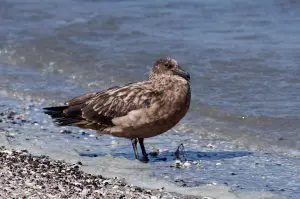
There is no landing on Muckle Flugga. The best view is from the clifftops of the Hermaness National Nature Reserve on Unst, a walk of a few miles through moorland where great skuas nest. You can collect Muckle Flugga as a sighting in your Island Passport.
Wildlife and area
Hermaness and Muckle Flugga are home to huge numbers of Gannet, Puffin, Fulmar and guillemots, and great skuas nest on the moors. Look out for Grey Seal and Orca offshore. Other islands nearby include Out Stack, the Holm of Skaw and Unst.
Tides
Now
—
Next high water
—
Next low water
—
Heights in metres relative to mean sea level; times are UK time. Not for navigation. Tide model: Open-Meteo (CC BY 4.0).
Wildlife
19 species recorded on the island
Highlights



All wildlife
Loading all 19 species…
Nothing on the list is usually seen this month.
Recordings from Wikimedia Commons, under Creative Commons licences; hover a Listen button for the recordist. Sightings are records shared with GBIF since 2000.
Watching wildlife responsibly. Keep your distance from seals, seabird colonies and cetaceans, stay quiet, and never feed or chase wildlife. See the Scottish Marine Wildlife Watching Code.