



Inchmurrin
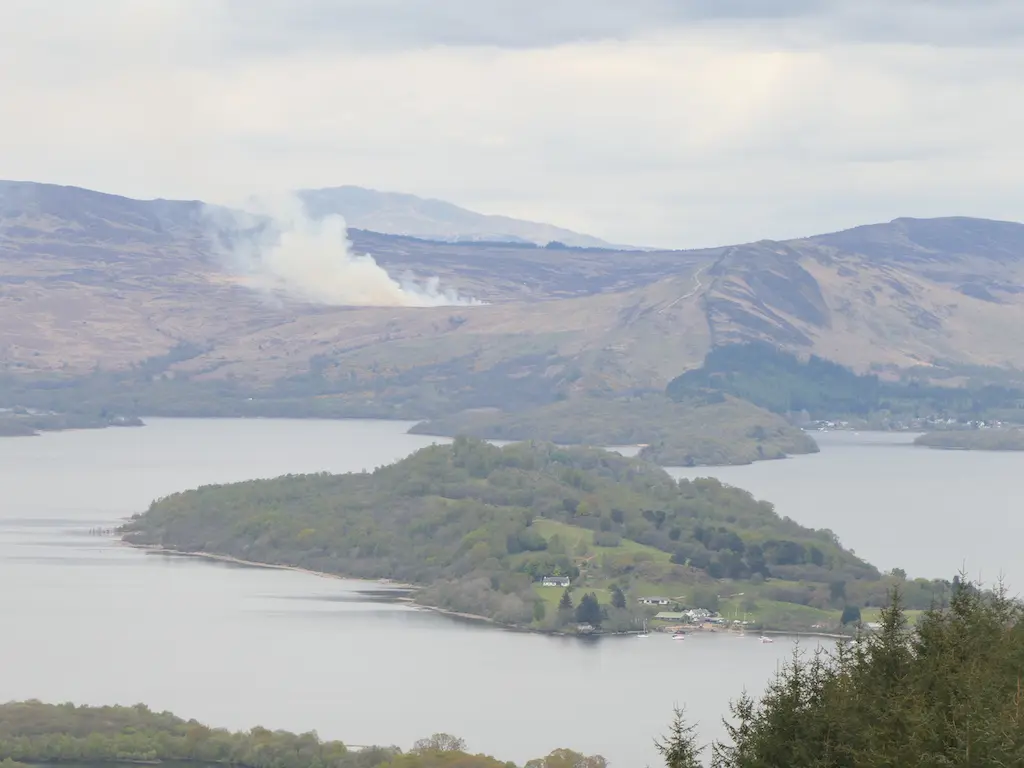
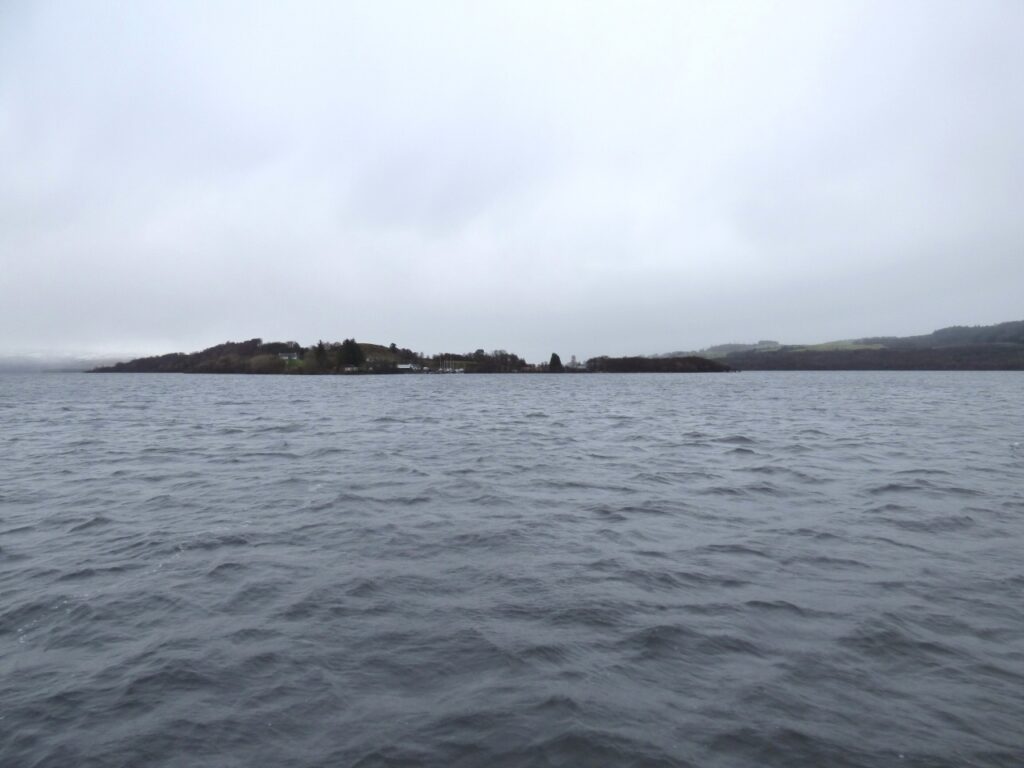
Inchmurrin, Innis Mhearain in Gaelic, is the largest freshwater island in the British Isles, lying at the southern end of Loch Lomond, a short boat ride from the shore near Balloch. About two and a half kilometres long, it rises in wooded slopes to 89 metres at its northern end, from where there are fine views up the length of the loch to Ben Lomond. Unlike most of the loch’s islands, Inchmurrin is lived on, with a handful of residents, a small hotel and holiday homes, and it has a history that reaches from early Christian saints to royal hunting parties.
Landscape

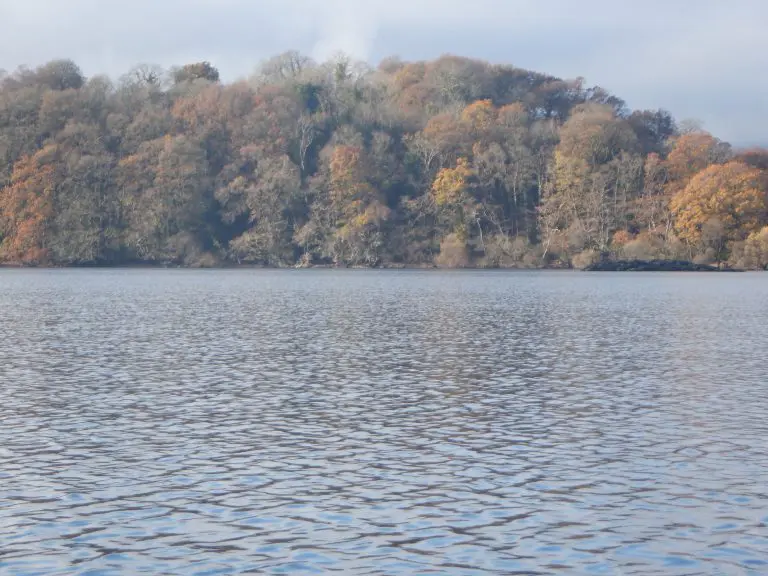
Inchmurrin is the most southerly of the larger islands in Loch Lomond and, with Creinch, Torrinch and Inchcailloch, it lies along the Highland Boundary Fault, the great geological line that divides the Lowlands from the Highlands. Its southern end is lower and more open, with grassy fields and shingle beaches, while the north is covered in oak and birch woodland. The island’s sheltered bays and shores are good places to watch for waterbirds, and fallow deer have long roamed the woods.
History
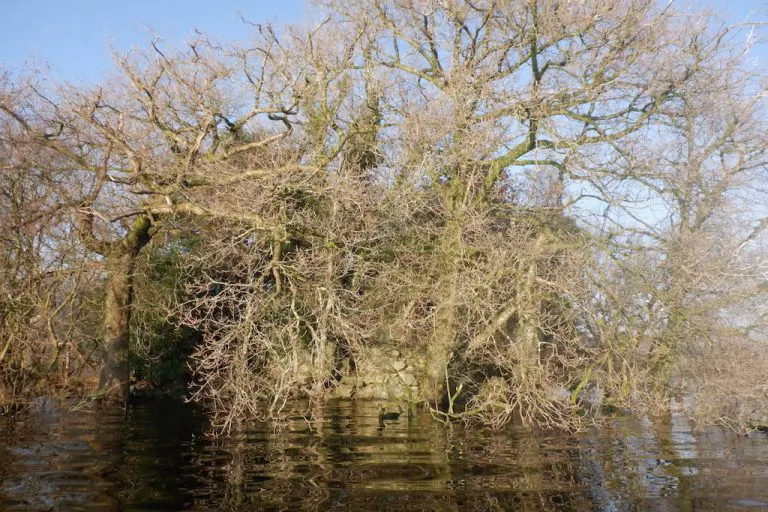
The island takes its name from Saint Mirin, the founder of Paisley Abbey, to whom a chapel was dedicated here in the 7th century, and the remains of an early monastery have been found. In the Middle Ages Inchmurrin became a royal deer park: King Robert the Bruce is said to have established it in the early 14th century, and the Earls of Lennox built a castle on the island as a hunting lodge, whose ruins still stand at the southern end. In 1425, after James I executed her husband Murdoch Stewart, Duke of Albany, her father and two of her sons, Isabella, Countess of Lennox, retired to the castle with her grandchildren.
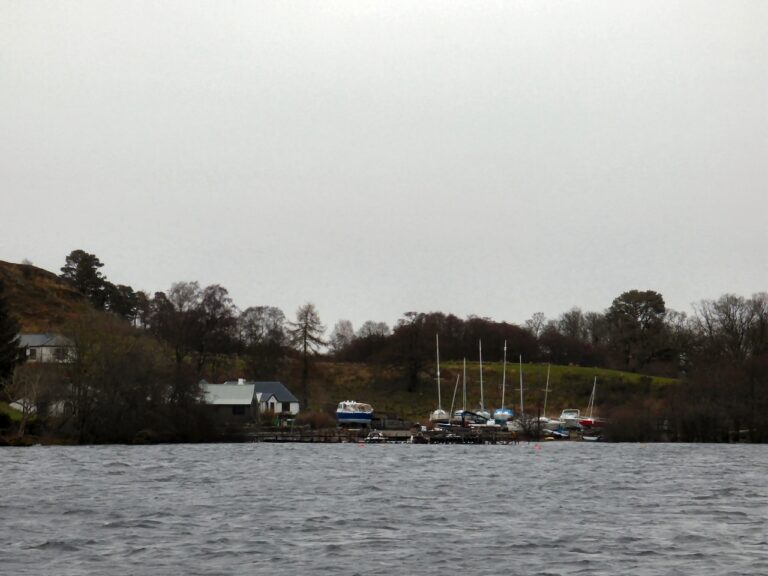
The island was the scene of violence too: in 1439 Sir John Colquhoun of Luss, governor of Dumbarton Castle, was murdered here during a raid. James VI came to hunt on Inchmurrin in 1585, and again in 1617 on his only return visit to Scotland, when the Duke of Lennox asked for food to be prepared for “a good nombre of sharpe stomaches”. In the 18th century Rob Roy MacGregor raided the island for cattle, and the Dukes of Montrose kept a deer park and built a hunting lodge here in 1793. Later the island was used as a place of confinement, and unmarried pregnant women were sent here to give birth away from public view. Since 1937 it has been owned by the Scott family.
The island was the scene of violence too: in 1439 Sir John Colquhoun of Luss, governor of Dumbarton Castle, was murdered here during a raid.
Visiting
A small private ferry crosses to Inchmurrin from Arden on the western shore, and the island can also be reached by private boat or hire boat from Balloch. The Inchmurrin Hotel near the jetty has a restaurant and bar, and there are holiday apartments and a campsite. Paths lead through the woods to the castle ruins and the north end of the island, and the beaches are good places for a picnic. Please respect private property and the island’s wildlife.
How to get to Inchmurrin
You can reach Inchmurrin by ferry.
By ferry
Inchmurrin has a ferry service. Timetables change with the seasons and the weather, so check sailings with the operator before you travel, and book ahead in summer if you are taking a car.
Plan your trip
Timetables change, so always check with the operator before you travel. We may earn a commission if you book through some of these links, at no extra cost to you.
Wildlife
7 species recorded on the island
All wildlife
Loading all 7 species…
Nothing on the list is usually seen this month.