Beardy Rocks
Island Passport
Collect Beardy Rocks
Be the first to collect it
This island is a protected nature reserve, so only sightings are stamped. Please do not land.
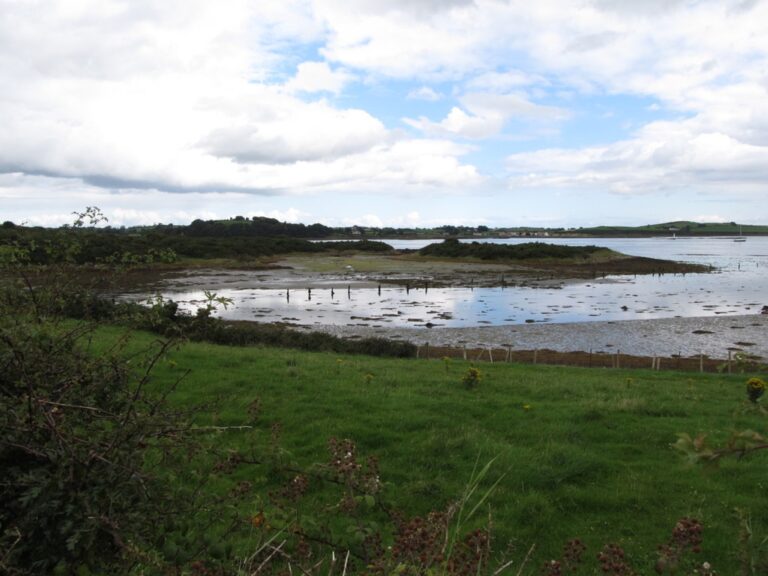
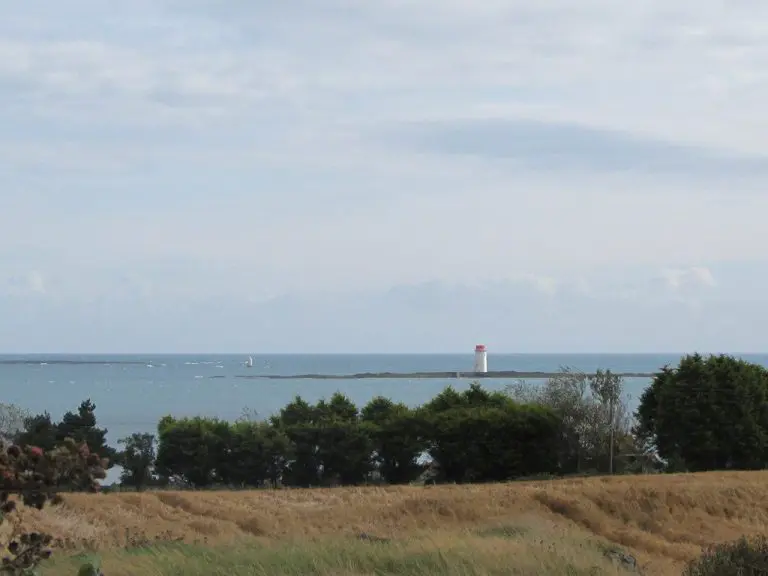
Beardy Rocks is a small rocky islet in Strangford Lough, County Down, about 1.7 kilometres from Strangford, in the eastern part of the lough. It is tiny, covering less than an acre.
Landscape
It is one of the lough’s many small rocks and pladdies, low reefs and islets that stand among the drumlins, uncovered and covered again by the tides. The eastern shore of the lough runs along the Ards Peninsula, past the villages of Greyabbey and Kircubbin, with low farmland coming down to a coast of small bays, points and islands. Grey Abbey, founded in 1193, stands just inland near Greyabbey. Its nearest neighbours include Sandy Island, Isle O’Valla and Swan Island, Strangford Lough.
Visiting
There is no public access to Beardy Rocks, but it can be seen from the shore and from boats and kayaks on the lough. The tides run fast and the mud can be soft, so take local advice before heading out on the water, and keep clear of seals and nesting birds. You can collect Beardy Rocks as a sighting in your Island Passport.
Wildlife and area
Strangford Lough is a Marine Nature Reserve and one of the richest wildlife sites in Ireland. Around this part of the lough look out for Harbour Seal, Oystercatcher, Common Eider, Brent Goose and Cormorant. In winter around three quarters of the world’s pale-bellied brent geese feed on the lough’s mudflats.
Tides
Now
—
Next high water
—
Next low water
—
Heights in metres relative to mean sea level; times are UK time. Not for navigation. Tide model: Open-Meteo (CC BY 4.0).
Wildlife
5 species recorded on the island
All wildlife
Loading all 5 species…
Nothing on the list is usually seen this month.
Recordings from Wikimedia Commons, under Creative Commons licences; hover a Listen button for the recordist. Sightings are records shared with GBIF since 2000.
Watching wildlife responsibly. Keep your distance from seals, seabird colonies and cetaceans, stay quiet, and never feed or chase wildlife. See the NPWS Code of Conduct for Responsible Marine Wildlife Watching.